

Creatine, protein and vitamin D are backed by evidence, but many trending supplements aren’t. Doctors explain which ones deserve a place in your routine – and which don’t
In an over-saturated market, the choice of supplements is endless and it can often prove a minefield to navigate what works and what is just another marketing trend.
As someone who has taken a multi-vitamin pill for the past five years, I am one of a very high statistic of people who take supplements daily. To put it into perspective, the numbers are in fact vast, as highlighted below:
Research from a recent report by the data-driven health website https://worldmetrics.org/uk-supplements-industry-statistics/ indicated that almost half of UK adults take supplements regularly. Compare that to the USA figures that reveal about 77% of adults aged 55 and older take dietary supplements regularly according to the website https://media.market.us/dietary-supplements-statistics/ – and the figures are eye-opening. So what is driving the demand and are supplements really beneficial to our fitness and health goals?
“We’re seeing a real shift in how people think about their health,” explained Dr Luke Pratsides, Chief Medical Officer of the health diagnostic site www.getadrip.com. “The goal used to be simply living longer. Now people want to take control and live well for longer, with more energy, better sleep and a lower risk of the chronic conditions that rob us of good active years. That change in mind-set is a big driver behind the supplements boom.
“At the same time, there’s growing awareness that our modern food environment is working against us. Ultra-processed foods are everywhere, and they’re often the cheapest, easiest option. Much of the nutrient value has been stripped out while sugar and fat are dialled up. That combination takes a toll on our metabolic health and is reflected in rising rates of obesity, type 2 diabetes and bowel cancer. It’s little wonder people are looking for ways to fill the gaps.”
Information not guesswork
Acknowledging that the supplements market can be complicated to navigate, Dr Pratsides advice is always to start with information rather than guesswork. “A simple blood test can reveal whether you’re low in key nutrients such as B12, folate, vitamin D or iron (iron deficiency being especially common in women who have regular periods), and can flag your cardiovascular and diabetes risk. From there you can build a targeted plan that genuinely benefits you as an individual, rather than spending on supplements your body neither needs nor uses.”
It goes without saying that a balanced diet, enough sleep, movement, and stress management do far more for your health than any supplement pill ever could. However, the two can work hand in hand if you know what supplement actually works. It doesn’t help that social media is awash with users claiming all sorts of supplement hacks and the fact platforms like TikTok regularly push marketing of them. The answer is: don’t fall for the hype, unless the supplements come with professional medical advice.
“The best supplement for women’s fitness is not the trendiest one; it’s the one that matches a real need,” explained UK-pharmacist Pankti Shah. “If a woman is not eating enough protein, is iron deficient, or has low vitamin D, supplementation may help. But taking a random stack of powders and capsules will not outperform good training, adequate calories, sleep, and correcting deficiencies.
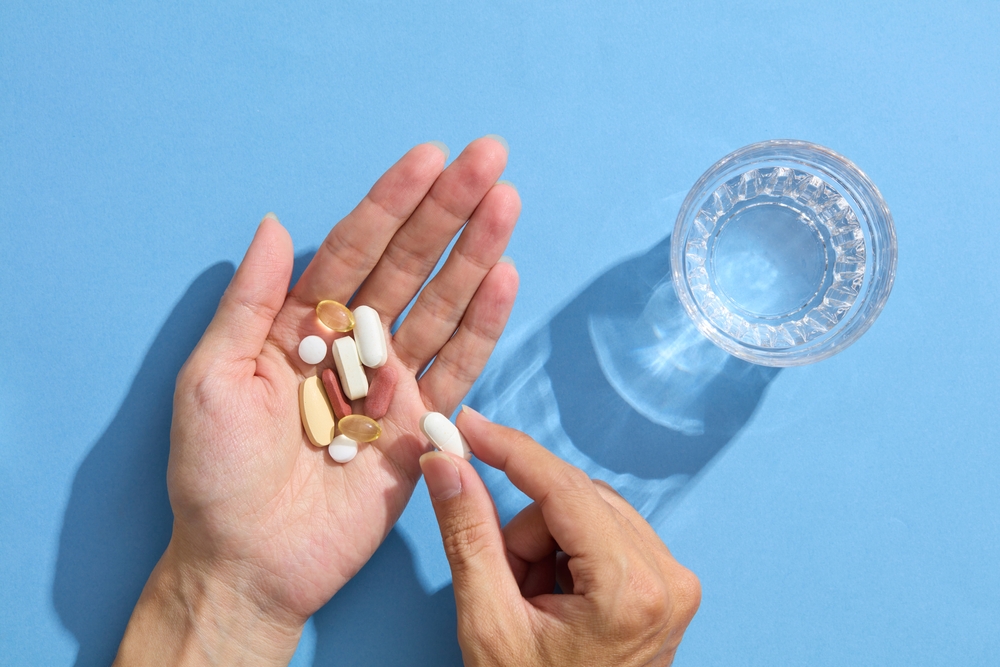
“Supplements should not be seen as a time-saving, shortcut trick. Within the right context, supplements can be effective. For women who regularly workout, the supplements which are most evidence-based are protein, iron (if deficient in it) and vitamin D. Creatine monohydrate is one of the most researched and trusted supplements to improve strength, power, and speed for resistance training. Female specific sports nutrition notes that creatine, alongside caffeine and iron, carries the strongest evidence for supplements for women.”
Another fan of creatine is Dr Thuva Amuthalingam, founder of the leading skincare clinic https://drderme.com/ who explains: “Creatine can be helpful for strength, performance and recovery, and it is not just for men or bodybuilders.
“The other most useful supplements to consider are vitamin D if levels are low or sun exposure is limited, iron if there is a diagnosed deficiency or heavy periods, and possibly omega-3 if oily fish intake is poor.”
Roar around Lion’s Mane
Like many medical experts, Dr Amuthalingham is only too aware of the buzz surrounding Lion’s Mane, a type of mushroom supplement that claims to improve brain function and enhance your mood, amongst other things. However, despite fitness fans claiming it helps their focus and gives them energy, approach with caution!
“Research is still ongoing about the actual health benefits Lion’s Mane offers,” he explained. “This is a good example of a supplement that is trending but don’t fall for the hype. There is emerging interest around cognition and wellbeing, but it is not an essential supplement for women who exercise. I would not put it ahead of proven basics like protein, vitamin D, iron where needed, or creatine.”
In agreement is Dr Lucy Hooper, GP and co-founder of the UK-based health screening Coyne Medical “Whilst Lion’s Mane contains interesting bioactive compounds that stimulate nerve growth factor and have real anti-inflammatory and antioxidant properties, the honest answer on how beneficial it is for women who exercise, though, is that the human evidence simply is not there yet.
“The antifatigue data that gets cited in the wellness space comes from mouse models, not women in the gym. A 2017 study found Lion’s Mane increased endurance and reduced fatigue markers in mice, but even then the effects were less impressive than other medicinal mushrooms like reishi. And the problem with animal research is that it does not translate reliably to humans, particularly for questions about exercise recovery in women.
“Lion’s mane is scientifically plausible for mood and brain fog support, but far from proven. If recovery is your priority, the evidence-based list looks rather different: sleep, protein, adequate iron and vitamin D, thyroid health, reducing alcohol and managing training load. Those are all going to be a better investment of your time and money.”