
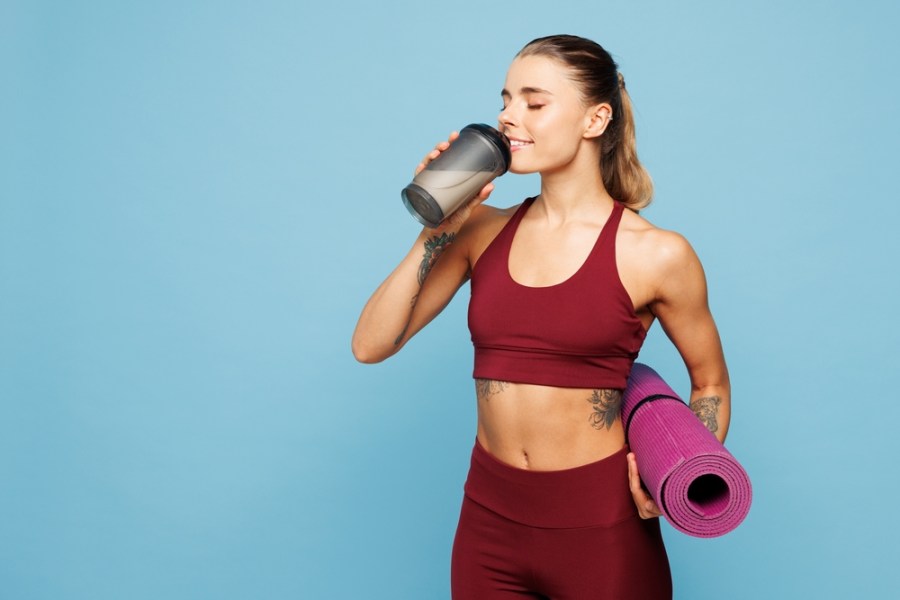
Protein shakes can support muscle recovery, weight management and healthy ageing—but they’re not a nutritional shortcut. Experts explain who benefits most, what ingredients to look for and when whole foods should come first
PICS: Shutterstock
Ask anyone that works out and it’s a given fact – protein shakes are a fitness staple these days. In fact, living in a house with three adult sons who go to the gym a lot, the protein powders sit in my cupboard alongside the cereal and sourdough bread.
Whilst I, like them, are well aware of the scientific backed benefits of protein for supporting muscle mass, as well as helping support weight management by increasing satiety, reaching for a shake should be approached with caution.
As with all health and fitness trends, it can have a negative effect on the body, including interfering with everything from our bowels and gut health to the neglect of balanced meals and constipation.
To unpack the truth about protein shakes and powders, the statistics from a recent survey help paint a picture of just how popular they are. Following a 2025 yougov survey carried out in 2025 the results found that 25 per cent of UK adults regularly drink protein shakes. And, with social media flooded with all sorts of protein powder brands, together with the aggressive marketing of them, it’s a figure that is rising.
“I think the craze over protein shakes and powders is mainly about convenience and the marketing of wellness products, and not about a real nutritional need,” explained Dorothy Ogwuru, a UK doctor and founder of the healthcare website https://www.pharmalinkacademy.co.uk/
“It is understandable that the protein shake obsession is strong as it is aligned with trends of repair, satisfaction and healthy aging. I’d go so far to say people are addicted to protein shakes.
“However, there are some real worries when the craze over protein shakes and powders leads to the neglect of balanced meals, or when people consume several servings a day, or when they ignore other concerns including the effects of high protein consumption on their health and the quality of the protein products.”
She points out that is very important for people with kidney disease, kidney dysfunction, diabetes, hypertension, pregnancy and other complex conditions to first seek advice from their physician before the use of protein products.
“Additionally, they can cause a variety of gut issues including bloating, gas, diarrhoea, constipation and general discomfort and can greatly exacerbate IBS and lactose intolerance. These issues are not always related to protein, but are often due to the product formulation.”
The good news is rumours around the use of protein powders having an effect on fertility has no medical evidence. And Dr Ogwuru is one of several medical experts I spoke to who emphasised this.
“There is no evidence to suggest that protein shakes have a direct negative effect on fertility,” she stressed.
In agreement is Kylie King, founder of the leading LA-based nutrition practice https://www.kylieking.com/

“On fertility, the evidence is genuinely limited. There is no strong evidence that protein powder causes infertility. The older research linking high protein to ovulation problems looked at whole-diet animal protein patterns, not powders, and newer research does not support the idea that protein itself disrupts ovulation in healthy women.
“The more concrete reproductive concern is contamination, since lead and cadmium are reproductive toxicants, which is one reason I am more cautious about daily, long-term use of untested powders in women of childbearing age. High protein does not automatically mean hormone-supportive.”
It’s common practice nowadays for unsolicited advice to be given from health and fitness “influencers” on TikTok and seems to be where the scare-mongering for the link between protein shakes and low fertility lies.
“The concerns tend to come from misinformation online,” pointed out Charlotte Wikler, co-owner of the health and fitness support group https://ace-lifestyle.com/
“There is currently no convincing evidence that consuming protein powder in sensible amounts negatively affects fertility or hormone health in healthy adults.”
Reputation is important
When it comes to what her clients consume, she doesn’t have a problem with protein shakes but her advice is to choose a reputable brand. “It is important to know the best ingredients to look out for are, particularly in terms of gut health, this is where quality matters,” explained Charlotte Wikler.
“Some protein powders contain a long ingredient list, artificial sweeteners, gums and thickeners that can cause bloating or digestive discomfort for some people.
“That doesn’t mean they’re “bad”, but if you notice digestive issues after your shake, it’s worth trying a simpler product with fewer ingredients. For example, look for a protein powder that has a short ingredient list, high protein content, minimal added sugars and third-party testing where possible. And be sure to choose a reputable brand.”
So what should consumers be looking for in a market that is saturated with all sorts of branded protein powders and shakes? According to Dalibor Cicman, founder and CEO of the supplements website https://gymbeam.com/ there’s a number of things to keep in mind.
“The first thing to check is whether a brand is transparent about its full ingredient list and nutritional composition. If you want to be completely certain about quality, choose a brand that goes a step further and provides genuine Certificates of Analysis (CoA) from independent laboratories, not only for microbiology and heavy metals, but also for active substances and the amino acid profile.
“At GymBeam for example, we publish all of this transparently, directly on the product page – it’s the most important information a product page can give you.
“The second thing is who actually manufactures the product. We guarantee the quality of our products through our own production; we are strictly controlled and maintain the highest standards. With smaller companies that isn’t always the case – they are not as tightly regulated. In those situations, as a customer, I would at the very least ask for a Certificate of Analysis from a laboratory.”
With so many people on weight loss medication these days, protein shakes have a new following of fans, outside of the fitness world. And it’s those people who dietician Samantha Cassetty believes can benefit more from incorporating protein shakes into their diet.
“They’re a convenient way to get 20 to 30 grams of protein at a meal, especially when your appetite is low, like if you’re on a GLP-1 medication, and would struggle to meet this amount with whole foods, which take up more volume. They’re also a good option for rounding out a lower-protein meal, like oatmeal,” she explained.
However, she is keen to point out if you are using them before or after sport to support muscle mass, to think twice.
“Many protein powders contain gums, fillers, non-nutritive sweeteners, manufactured fibers, and other additives that are ultra-processed ingredients and may be linked to long-term health problems. These ingredients are hard to avoid in so many foods, so when you can, I think you’re better off avoiding them. They aren’t essential.”
Whether you are one of the growing number of people to consume protein shakes – or are new to them – the advice is clear; always be sure to check ingredients are go with a reputable brand!