


Your nutritional needs change as you age, from the foods that support your body through perimenopause to the nutrients that help protect your muscles, bones and heart later in life. Here’s what to prioritise at every decade
Pics: Getty Images
Your body’s nutritional needs change as you get older because hormones, metabolism, bone health and the amount of energy you use all shift over time. While you may need fewer calories in your seventies than in your forties because your body uses less energy, you certainly don’t need less nutrition.
In fact, making sure every meal is packed with the nutrients your body needs becomes increasingly important as you age.
Medical scientist and nutritionist Kevin Greene, managing director of Almased UK, explains which foods and nutrients women should make a priority in their 40s, 50s, 60s and 70s.
In your 40s: protect muscle and keep blood sugar steady
Your forties can be the decade when nutritional priorities start to change, particularly as many women enter perimenopause.
“The forties are often when perimenopause begins. Many women notice changes in energy, sleep, mood and changes in their weight. Oestrogen plays a key role in insulin sensitivity, so as levels start to fluctuate, blood sugar control can become less predictable and fat tends to settle around the middle.
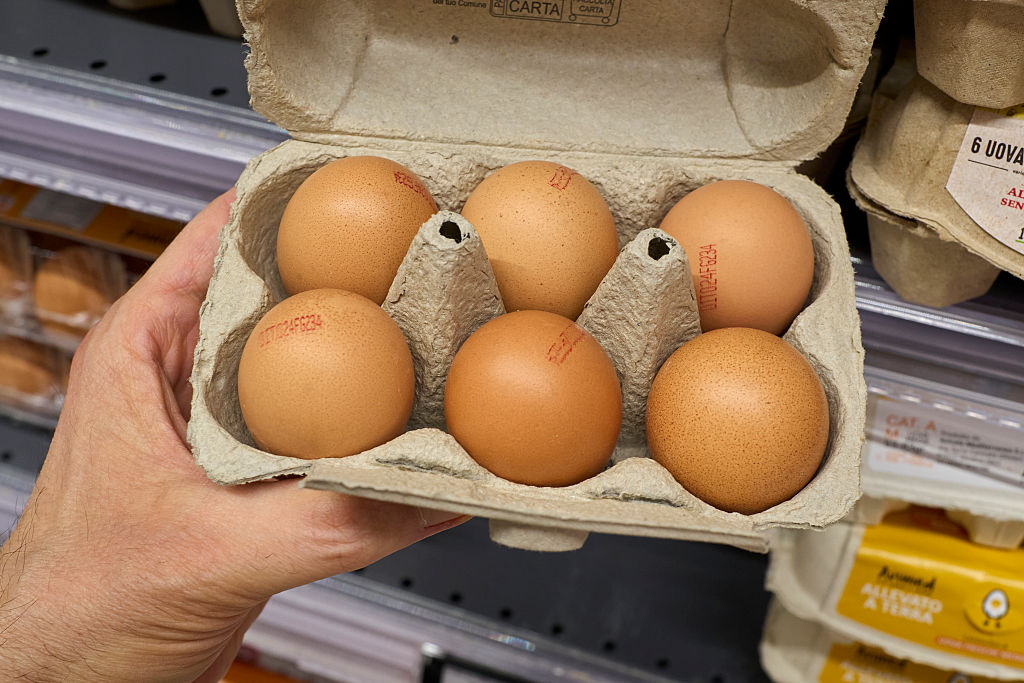
“Protein should be the priority here. Include a good-quality source at every meal, such as eggs, fish, Greek yoghurt, lentils or soya, and couple it with fibre-rich vegetables and wholegrains. This combination stabilises blood sugar, reduces cravings and prompts the release of satiety hormones such as GLP-1 and PYY. Just as important, it protects lean muscle, which quietly starts to decline from our thirties onwards.
“Iron is another one to watch. Periods can become heavier during perimenopause, and women up to 50 need 14.8mg of iron a day, nearly double the amount men need. Red meat, pulses, dark leafy greens and fortified cereals are all good sources, and eating them with vitamin C-rich foods improves absorption. Add to this B vitamins and magnesium from wholegrains, nuts and seeds, which support energy, mood and sleep, all common complaints at this stage of life.”
In your 50s: focus on your bones, heart and changing metabolism
For many women, the fifties bring menopause and significant changes to nutritional needs. As oestrogen levels fall, supporting bone and heart health becomes increasingly important.
“For most women, the fifties bring menopause and one of the biggest nutritional shifts of their lifetime. Oestrogen plays a protective role in maintaining bone, and as levels fall, the rate of bone loss accelerates.
“A woman can lose up to 20% of her bone mineral density in the five to seven years following menopause, which increases her risk of osteoporosis and fractures in later life. Calcium and vitamin D are therefore paramount.
“Dairy, fortified plant milks, tinned fish with the bones in such as sardines, and green leafy vegetables all contribute. The NHS advises everyone to consider a daily 10 microgram vitamin D supplement through the autumn and winter months.”
Heart health should also become a priority during this decade.
“Heart health also comes to the fore. As oestrogen’s protective effect on cholesterol fades, this is the time to embrace healthy fats from oily fish, olive oil, nuts and avocados while limiting processed foods, salt and saturated fat.
“Soluble fibre from oats, beans and lentils actively helps lower LDL cholesterol.”
Your iron needs change after menopause
One nutritional change that women may not be aware of is that their iron requirements fall after menopause.
“What many women may not be aware of, is that iron needs to drop after menopause to 8.7mg a day. Women who have been supplementing should review this with their GP rather than continuing out of habit.”
Soya can also be worth considering as part of a balanced diet during menopause.
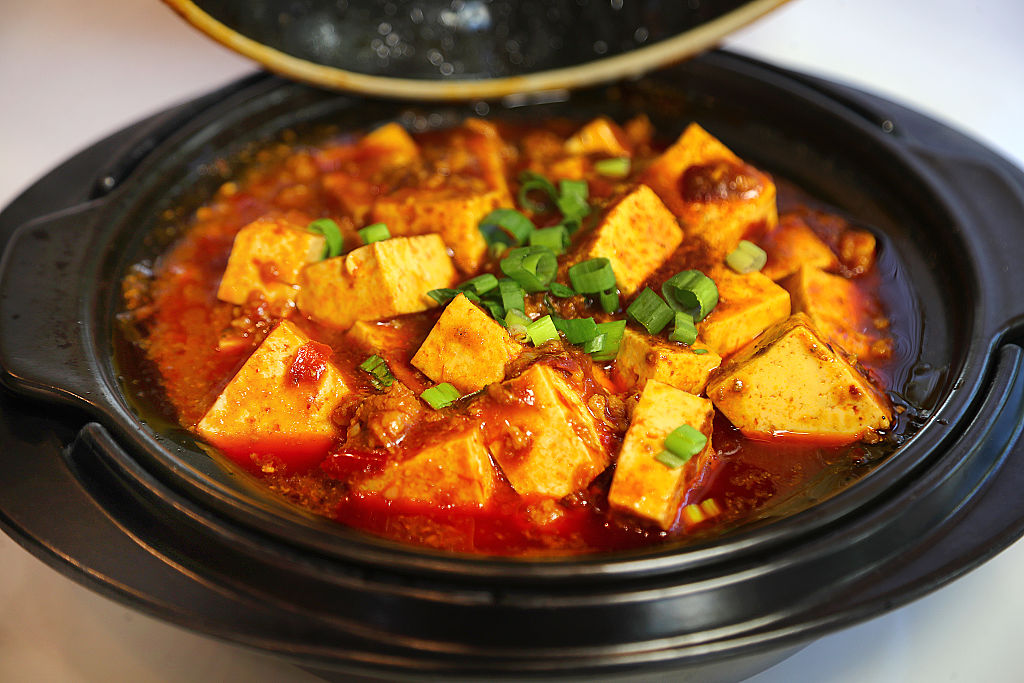
“Soya is worth considering at this stage of life. It’s a complete plant protein, and its naturally occurring isoflavones have been studied for their potential to ease menopausal symptoms such as hot flushes.
“Research also suggests that high-protein diets, specifically soya-based meal replacements, can support the body’s natural production of appetite-regulating hormones such as GLP-1 and PYY, which is encouraging for women who find appetite and weight harder to manage through menopause.”
In your 60s: make protein a priority
By your sixties, maintaining muscle becomes increasingly important. Age-related muscle loss, known as sarcopenia, can affect strength, mobility and physical independence.
“By our sixties, age-related muscle loss, known as sarcopenia, begins to accelerate. Muscle plays a central role in insulin sensitivity, blood sugar control and resting energy expenditure. Losing it means a slower metabolism, reduced mobility and a greater risk of falls.
“In reality, many women in this age group aren’t eating enough protein, or they eat most of it at dinner. I recommend aiming for around 25 to 30g of high-quality protein at each meal, spread evenly across the day, and coupling that with regular strength or resistance activity, even a daily walk helps.”
Vitamin B12 is another nutrient to keep an eye on as you get older.
“Absorption of vitamin B12 can also decline with age, which can leave people feeling tired, foggy and low. Eggs, fish, dairy and fortified foods are good sources. Omega-3s from oily fish remain important too, for both heart and brain health.”
In your 70s: focus on nutrient density, not calories
By your seventies, one of the biggest nutritional challenges can actually be eating enough rather than eating too much.
“The biggest challenge I see in the seventies is eating too little. Appetite naturally decreases, our sense of thirst becomes less reliable, and meals can become smaller and simpler.
“At this stage, nutrient density is everything. Smaller, more frequent meals built around protein, such as eggs, yoghurt, fish, beans and milky drinks, are far easier to manage than three large plates.
“Fibre and fluids are key for digestive health and to prevent constipation, so keep a glass of water close to hand throughout the day. Vitamin D, calcium and B12 all remain priorities for bone strength, muscle function and cognitive health.
“When cooking or appetite becomes a struggle, a nutritionally complete, high-protein shake can be an easy way to fill the gaps.”