

From energy and sleep to metabolism and menopause, we look at five ways NMN could support your body as you age – and no, we hadn’t heard of it either
When it comes to ageing well, living longer and navigating (and surviving) the changes that come with menopause, there’s no shortage of supplements promising to make the journey a little easier.
But one you may not have heard quite so much about – yet – is NMN.
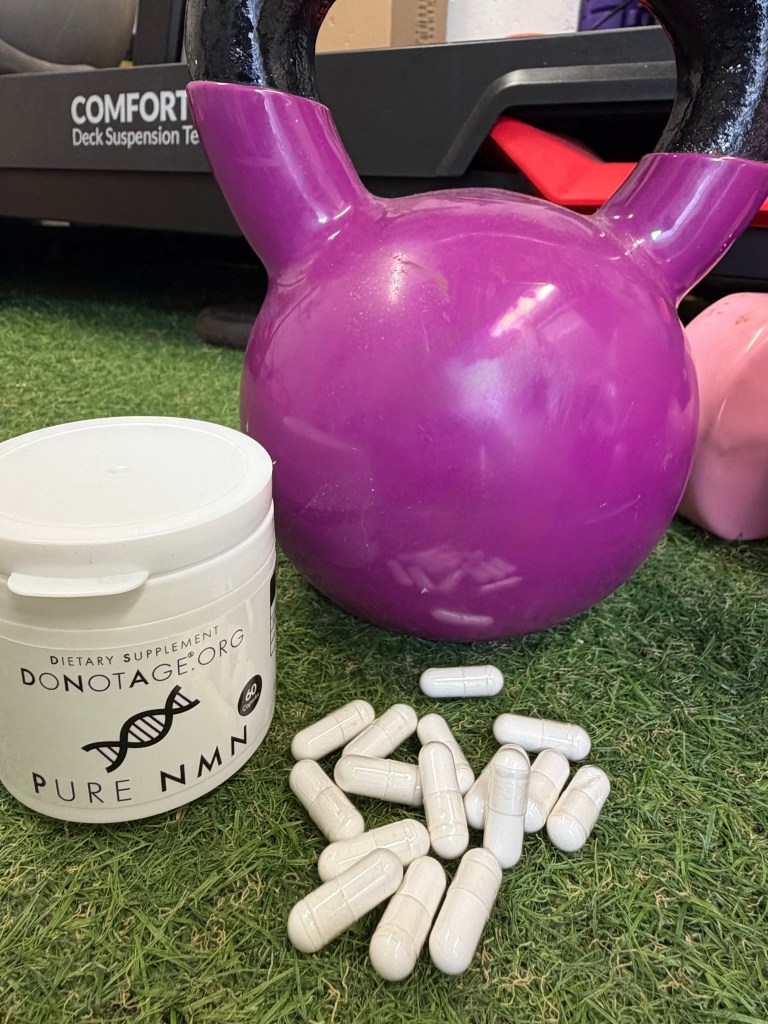
Short for nicotinamide mononucleotide (yes, it’s a mouthful to pronounce), NMN is a derivative of vitamin B3 and a naturally occurring molecule found in small amounts in foods such as broccoli, cabbage, avocado, cucumber and edamame.
NMN is important because it acts as a precursor to NAD+ (nicotinamide adenine dinucleotide), a molecule involved in some pretty fundamental processes in the body, including cellular energy production, DNA repair and mitochondrial function.
Think of NAD+ as part of the machinery that helps your cells perform some of their most important jobs.
So why is it suddenly creating such a buzz – and why might it be particularly appealing once you hit your 40s?
Why NMN?
The reason NMN has attracted so much attention in longevity circles is that NAD+ availability appears to decline as we age – in fact, some research suggests levels can drop significantly as you age, with estimates of declines of up to 50% reported between the ages of 20s and 80s. The theory behind supplementation is therefore pretty straightforward: give the body more of a precursor it can use to make NAD+.
“Think of NAD+ as the rechargeable battery sitting inside every one of your cells, and NMN as the charger,” explains Alan Graves, founder and clinical research advisor at DoNotAge.org. “Once you take it, your body absorbs the NMN and turns it into NAD+, which then gets to work in three big ways: it powers the tiny engines in your cells – the mitochondria – that turn food into energy, it helps repair the everyday damage to your DNA, and it switches on those sirtuin ‘longevity’ enzymes.”
And this isn’t purely biohacking hype. Human studies have shown that NMN supplementation can increase NAD+ levels in the blood – and we’ve seen some of our favourite celebrities, who seem to be ageing backwards, rave about it too. Think The Kardashians, Hailey Bieber and Jennifer Aniston.
But here are a few more things it can do, too.
1. NMN can boost your energy
Energy is probably one of the first things most of us would happily take more of, especially as we get older. We know that when you take NMN, your body can use it to produce NAD+, and human research suggests supplementation can increase NAD+ levels in the blood.
“NAD+ powers all the quiet maintenance work that keeps us ageing well, like making energy and repairing DNA,” says Graves.
Given NAD+’s role in cellular energy metabolism, it’s easy to see why NMN has become associated with increased energy. Graves says people taking it commonly talk about “steadier energy, sharper focus, better sleep, faster recovery and support for a healthy metabolism.”
2. NMN could help with menopausal insomnia
Sleep disturbances, including insomnia and poor sleep quality, are common during menopause thanks to hormonal fluctuations and symptoms such as night sweats. But could NMN help?
One study found that taking NMN in the afternoon was associated with improvements in daytime drowsiness in older adults. NAD+ is also linked to our circadian rhythms – the internal body clock that helps regulate when we sleep and wake – prompting researchers to investigate whether increasing NAD+ could eventually have a role in supporting better sleep.
3. Your workouts could feel stronger
Don’t expect NMN to replace your pre-workout, but studies have found some promising results across measures of physical performance following NMN supplementation, like improvements in measures such as walking speed and distance, improved aerobic capacity and improved muscle performance.
This is because NAD+ plays an important role in cellular energy metabolism, including the processes our muscles rely on to produce and use energy.
4. Your metabolism could get some support
Metabolism is another thing that tends to get blamed for everything once we hit our 40s, but there’s more going on than simply having a “slow metabolism”.
Promising studies with NMN have found that it can help with insulin sensitivity and the way muscles handle glucose. This matters because insulin sensitivity influences how effectively your body can move glucose out of the bloodstream and into cells where it can be used for energy. It can also affect things like fat storage, blood sugar levels and insulin control.
5. It could help manage menopause
And this might be the most interesting one for those of us in our 40s and edging closer to menopause. One study found that postmenopausal women with prediabetes who were overweight or obese responded better to insulin after taking NMN for 10 weeks.
Why does that matter? Good insulin sensitivity helps your muscles take glucose from your bloodstream and use it for energy, making it an important part of metabolic health as we age.
“A lot of women also use it as part of their energy and recovery routine,” says Graves. “Although that side is still being tested, what we can say is that from a feedback perspective, women using NMN have reported positive outcomes in terms of menopause symptoms, including fewer hot flushes, more energy and faster recovery.”
“Of course, personal feedback isn’t the same as clinical evidence,” says Graves, and we don’t yet have enough research to say that NMN can reduce menopause symptoms. But we already know that NAD+ availability appears to decline as we age, and research into NMN and postmenopausal health is growing.
Animal studies, for example, have found that NMN can increase ovarian NAD+ levels, improve egg quality and influence hormone secretion and inflammation. Whether the same thing happens in women – and what that could mean during menopause – we don’t know yet, but it’s certainly food for thought and makes NMN a supplement worth watching.
How much NMN?
Around 500mg per day is a common dose found in NMN supplements, although studies have investigated a range of different doses. If you’re new to NMN, it makes sense to start with a lower dose and see how your body responds.
And when should you take it? Most people take NMN in the morning, either with or before breakfast, which makes sense given its role in cellular energy production. Taking it earlier in the day may also be preferable if you find it affects your sleep, but as with any supplement, it’s always worth speaking to your GP or another qualified healthcare professional before adding NMN to your routine.