

Protein has dominated the health and wellness conversation, but fibre is finally getting its moment. However, Sasha Watkins, dietitian and Head of Health at Mindful Chef, says the answer isn’t to consume as much fibre as possible. Instead, she favours a more balanced approach known as fibrelayering.
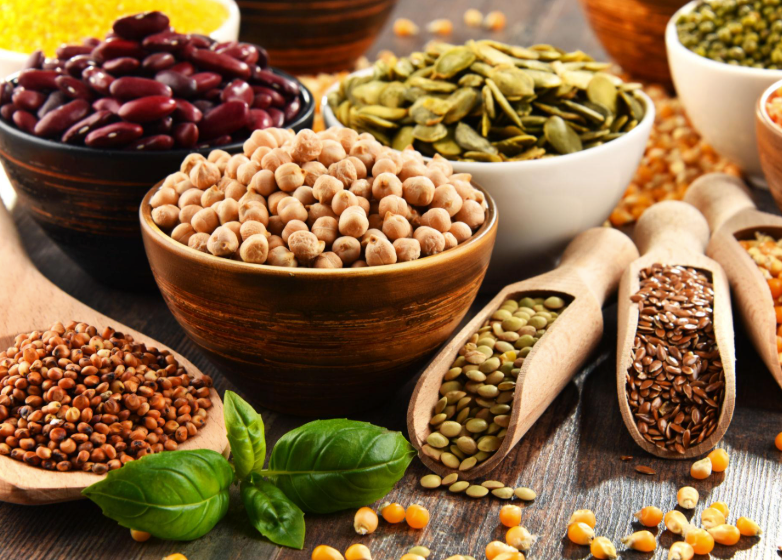
The idea is simple: increase your daily fibre intake by eating more plant-based foods, including fruit, vegetables, wholegrains, beans, lentils, nuts and seeds.
And there are good reasons to pay attention. Fibre supports digestive health, helps feed the beneficial bacteria in our gut and can contribute to healthy cholesterol levels, blood sugar regulation and feelings of fullness after meals.
Why fibre deserves more attention
In the UK, adults are recommended to consume around 30g of fibre a day, yet many people fall short of this target.
Increasing fibre intake can be a positive step towards better overall health, particularly when it means incorporating a wider range of plant foods into everyday meals.
Fibre supports regular digestion and helps maintain a healthy gut microbiome. Depending on the type of fibre, it can also help manage cholesterol levels and support blood sugar control.
It can also help you feel satisfied after eating, making fibre-rich foods a useful part of balanced meals.
With protein often dominating conversations about nutrition, Watkins believes fibre deserves equal attention. Rather than focusing on a single nutrient, she encourages people to consider the overall variety of foods they eat.
What is fibrelayering – and how is it different from fibremaxxing?
While fibremaxxing focuses on increasing the amount of fibre you consume, fibrelayering puts greater emphasis on the variety of fibre-rich plant foods you eat.
The idea is to incorporate different sources of fibre throughout the day, rather than concentrating solely on reaching a particular number.
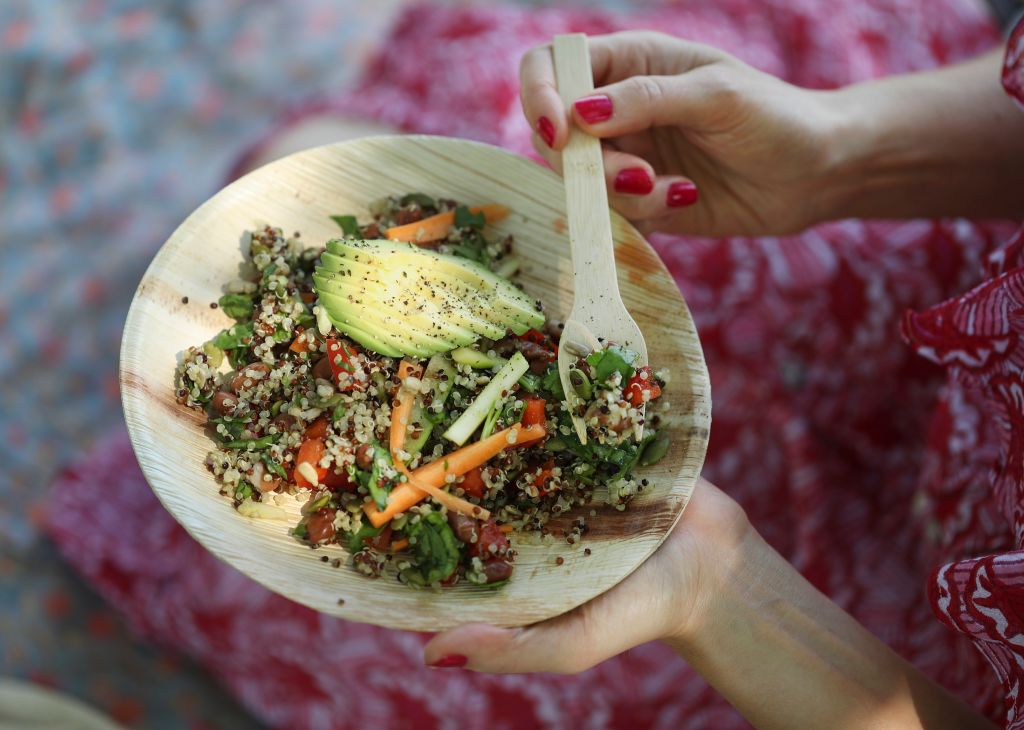
For example, you could add berries and chia seeds to your morning porridge, stir lentils into a pasta sauce at lunchtime and include vegetables, wholegrains, beans or nuts in your evening meal.
Each plant food offers a different nutritional profile, and different types of fibre have different effects on digestion and the gut microbiome. Eating a varied range of plant foods can therefore help support a diverse community of gut bacteria.
For Watkins, fibrelayering offers a more achievable way to improve your diet. Instead of chasing increasingly ambitious targets, it encourages small, sustainable changes that can become part of everyday life.
Can you eat too much fibre?
Although fibre is important for health, increasing your intake too quickly can cause bloating, wind and abdominal discomfort, particularly if your usual diet is relatively low in fibre.
Rather than dramatically changing what you eat overnight, it’s better to increase your intake gradually, giving your digestive system time to adjust. Drinking enough water is also important, as fibre works alongside fluid to support healthy digestion.
If you already experience digestive symptoms, pay attention to how different foods affect you. Increasing fibre isn’t about forcing yourself to eat large quantities of foods that make you uncomfortable; the best approach will depend on your individual needs and tolerance.
The aim is to build a balanced diet that provides a range of nutrients, rather than treating fibre as another target to maximise.
How to add more fibre to your everyday diet
The good news is that increasing your fibre intake doesn’t have to involve complicated recipes or expensive ingredients. Small additions and simple swaps can make a meaningful difference over time.
Try these practical changes:
- Upgrade your breakfast: Add berries, seeds or nuts to porridge, or choose a wholegrain cereal.
- Include more pulses: Stir lentils, chickpeas or beans into soups, stews, curries and pasta sauces.
- Choose wholegrains: Swap white bread, rice or pasta for wholegrain alternatives when you enjoy them.
- Add another vegetable: Include an extra portion of vegetables with lunch or dinner.
- Vary your plant foods: Rotate the fruit, vegetables, grains, pulses, nuts and seeds you eat rather than relying on the same few ingredients.
These changes can help you work towards the recommended 30g a day while introducing a broader range of plant foods into your diet.
Fibre isn’t the new protein – and that’s the point
It’s tempting to think of every emerging nutrition trend as the next big thing, but fibre and protein have different, equally important roles in a balanced diet.
Protein supports the growth and maintenance of muscles and other body tissues, while fibre plays a key role in digestive health and can contribute to wider metabolic benefits. Neither needs to replace the other.
Fibremaxxing may encourage more people to pay attention to a nutrient they have been overlooking. But the most useful lesson may be to move away from viewing nutrition through the lens of individual nutrients alone.
By focusing on variety, making small changes and gradually building better habits, fibrelayering offers a practical way to eat more fibre-rich foods without turning healthy eating into another numbers game.
Ultimately, the goal isn’t to chase the highest possible fibre intake. It’s to build a varied, balanced diet that supports your health and works for you in the long term.
Sasha Watkins is a dietitian and Head of Health at Mindful Chef