


From green bananas and kiwifruit to kimchi and cooled potatoes, nutrition experts reveal the lesser-known foods that can support your gut microbiome and add some Forget relying on kefir and yoghurt alone. Nutrition experts reveal 10 lesser-known foods that can provide fibre, resistant starch, polyphenols and beneficial microorganisms to support a more diverse gut microbiome
Pics: Getty Images
Gut health has gone from a niche topic to a major wellness trend, with the market now saturated with probiotic foods and drinks. While products such as kefir and live natural yoghurt can be useful sources of beneficial bacteria, eating the same foods day after day can quickly become boring.
The good news is that supporting your gut isn’t simply about drinking kefir or eating yoghurt. There are plenty of other foods that can provide fibre, resistant starch, polyphenols and, in some cases, beneficial microorganisms – all of which can play a role in supporting a diverse gut microbiome.
“A useful way to think about gut health is that it isn’t only about eating foods that contain bacteria, such as yoghurt or kefir,” explained Dr Shy Vishnumohan, a food scientist and dietician at Meet Dr Shy.
“We also need to feed the microbes already living in the gut, particularly with different fibres, resistant starches and plant polyphenols.
“Rather than obsessing over one gut-health superfood, I often encourage people to think about variety. Research from the American Gut Project found differences in the gut microbiome of people eating more than 30 different plant foods a week compared with those eating 10 or fewer, so around 30 is a useful number to aim for.”
So, if you’re experiencing gut-health fatigue, here are 10 less obvious foods worth adding to your diet.
1. Green or slightly unripe bananas
You might normally wait for your bananas to become perfectly ripe, but greener fruit contains more resistant starch.
“Green bananas contain considerably more resistant starch than ripe bananas. Unlike ordinary starch, resistant starch escapes digestion in the small intestine and reaches the colon, where it becomes a substrate for gut bacteria.
“As the banana ripens, much of that starch is converted into sugars, so this is one instance where a greener banana has a different nutritional effect from a very ripe one. Green banana flour is another way resistant starch is being studied.”
2. Pomegranate
Pomegranate is another fruit that could be worth adding to your gut-friendly diet, thanks to its plant compounds.
“Pomegranate is interesting for a completely different reason. It contains plant compounds called ellagitannins, which our gut microbes can transform into metabolites known as urolithins.
“What I find particularly fascinating is that people differ in their ability to produce these metabolites because their microbiomes differ. So two people can eat the same food and their gut microbes may process it differently.”
Where practical, Dr Vishnumohan suggests favouring whole pomegranate arils rather than thinking only about juice, as you’ll also get the fibre.
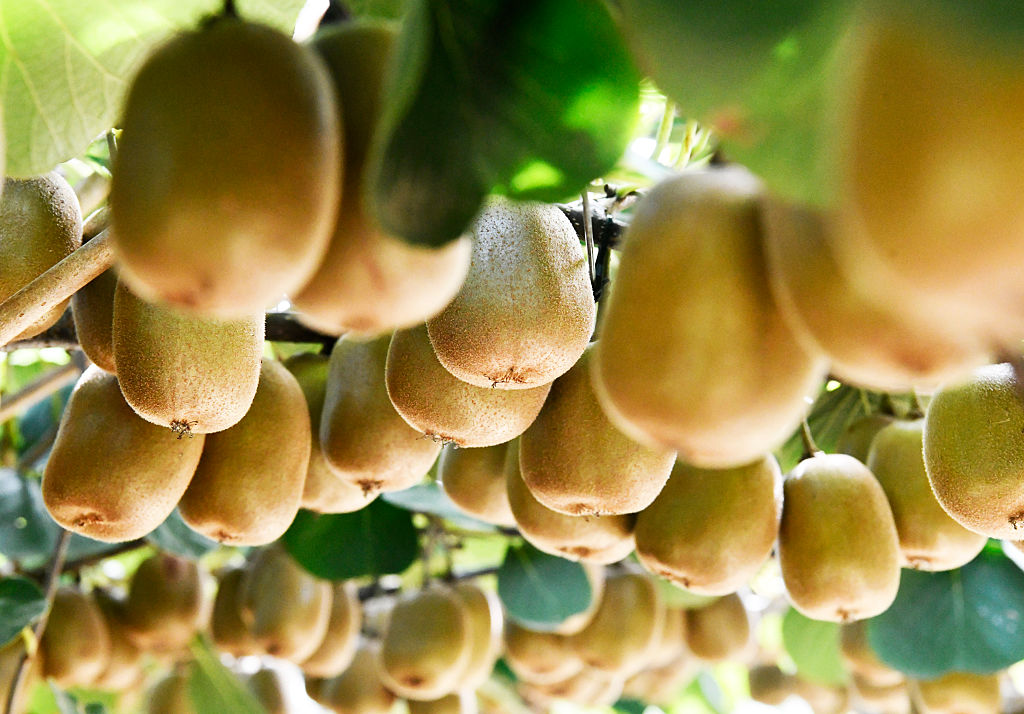
3. Kiwifruit
Kiwifruit may not have the same gut-health reputation as kefir, but there is some human research behind its potential benefits.
“Kiwifruit tends to get overlooked as a gut-health food, yet it has some surprisingly good human evidence behind it. Clinical trials have found that around two green kiwifruit a day can improve bowel movement frequency and gastrointestinal comfort in people with constipation.
“It is a good reminder that supporting the gut does not necessarily require an exotic supplement – sometimes a whole fruit can have a clinically meaningful effect as a first line food intervention.”
4. Walnuts
Walnuts provide a combination of fibre, polyphenols and unsaturated fats, making them an easy addition to a gut-friendly diet.
“Walnuts provide a combination of fibre, polyphenols and unsaturated fats. Controlled human studies have shown that including walnuts in the diet can alter the gut microbial community, including bacteria involved in producing beneficial fermentation products.
“They are particularly useful because they can simply be added to breakfast, salads or snacks rather than requiring somebody to completely redesign their diet.”
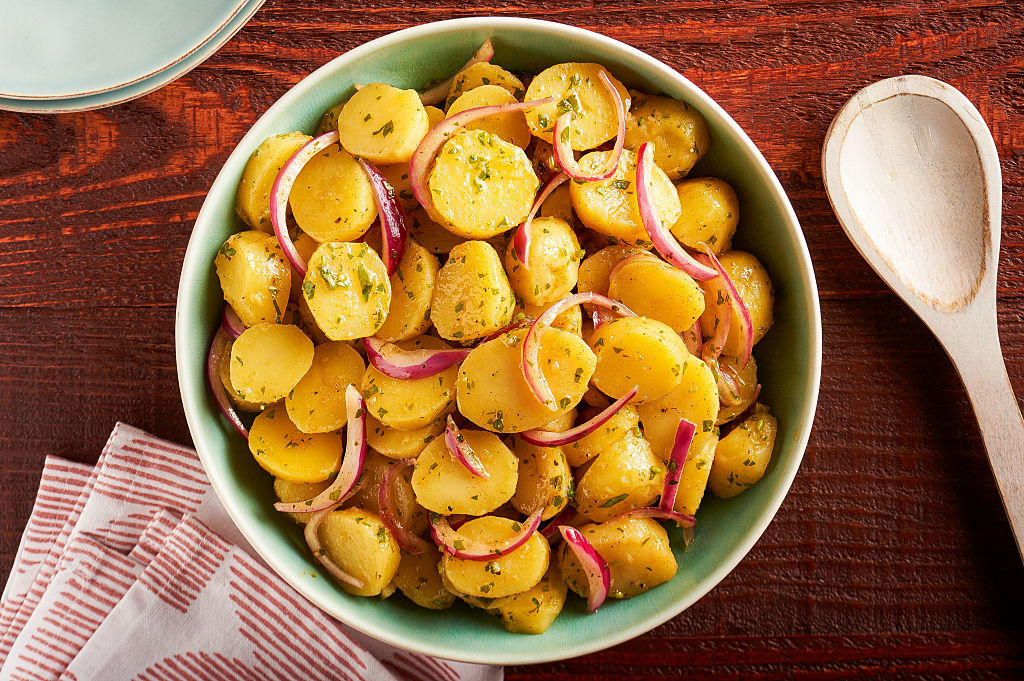
5. Cooked and cooled potatoes
This one might sound surprising, but the way you prepare a potato can affect the type of starch it contains.
“This is probably the most surprising one for my clients. When a starchy food such as potato is cooked and then cooled, some of its starch changes structure and becomes resistant starch.
“That means yesterday’s cooled potato in a salad can behave differently in the digestive tract from freshly cooked hot potato, with more of that starch potentially reaching the large bowel for microbial fermentation.”
6. Jerusalem artichokes
Kay Kaur, a registered nutritional therapist specialising in gut health and autoimmune conditions, recommends looking beyond the usual fermented foods for ways to support the microbiome.
“Beyond the usual yoghurt and kefir, a few genuinely underrated gut-health foods I typically suggest to my clients, include:
“Jerusalem artichokes. These are one of the richest natural sources of inulin, a powerful prebiotic fibre most people have never heard of, but see great results when integrated.”
7. Chicory root
Chicory root is another source of inulin and can be incorporated into your diet in several ways.
“This is another strong prebiotic source, easy to add via coffee alternatives or roasted as a vegetable.”
8. Green plantain flour
If you’re looking for an easy way to increase resistant starch, green plantain flour could be another option.
“This is an easy way to incorporate resistant starch into baking or smoothies.”
9. Kimchi
Fermented foods don’t have to mean yoghurt or kefir. Kimchi, made from fermented vegetables, provides another way to introduce variety into your diet.
Dr Lucy Hooper, private GP and co-founder of Coyne Medical, recommends it as another gut-friendly option.
“Kimchi is a great one because it contains fermented vegetables. You get fibre as well as microorganisms from the fermentation process.
“You can chuck it on rice, put it in a salad or have it alongside some eggs. For some people, that little bit of zing and spice can make healthy food much more interesting.”
10. Sauerkraut
If you’re a fan of its distinctive tang, sauerkraut can also be an easy addition to meals.
“Another one that’s a bit love-it-or-hate-it is sauerkraut, which is fermented cabbage. Again, you’re getting that combination of fibre and fermentation.”
Why gut health matters during menopause
For women going through menopause, supporting gut health may be particularly relevant as other aspects of health can change during this stage of life.
“There’s been some fascinating research around what is called the estrobolome, essentially the collection of gut microbial genes and enzymes involved in the metabolism of oestrogens,” explained Dr Hooper.
“Researchers are looking at whether changes in the microbiome around menopause might influence oestrogen metabolism and potentially women’s experience of menopause and its symptoms.
“But I actually think the bigger reason gut health matters at this stage of life is that menopause is a time when other health risks can start to emerge for many women. Insulin resistance can increase, cholesterol levels can rise and body composition can change.
“So this is a really good point in life to dial up our focus on gut health and nutrition as part of looking after our whole health, rather than thinking about the microbiome in isolation.
“Menopause isn’t only about hot flushes. It’s a time of life when risks relating to cardiovascular health, metabolic health and bone health can start to change.
“Thinking about our nutrition and gut health by increasing fibre, including some fermented foods and eating lots of different plants is a really practical way to support our overall health. These dietary changes can also help with things such as cholesterol, blood sugar and maintaining a healthy body composition.”