
Under Armour coach Tom Bliss explains why grip strength is a key indicator of overall strength, physical performance and long-term health – and shares the simple exercises that can help you improve yours.
Pics: Getty Images
Grip strength is often overlooked in favour of bigger lifts or faster running times, but it’s one of the simplest indicators of overall strength, physical performance and even long-term health. Research has shown that it can provide valuable insight into physical function, healthy aging and resilience.
Whether you’re training for your first HYROX event or simply want to remain capable in everyday life, improving your grip strength is a worthwhile investment.
When your grip strength limits your performance
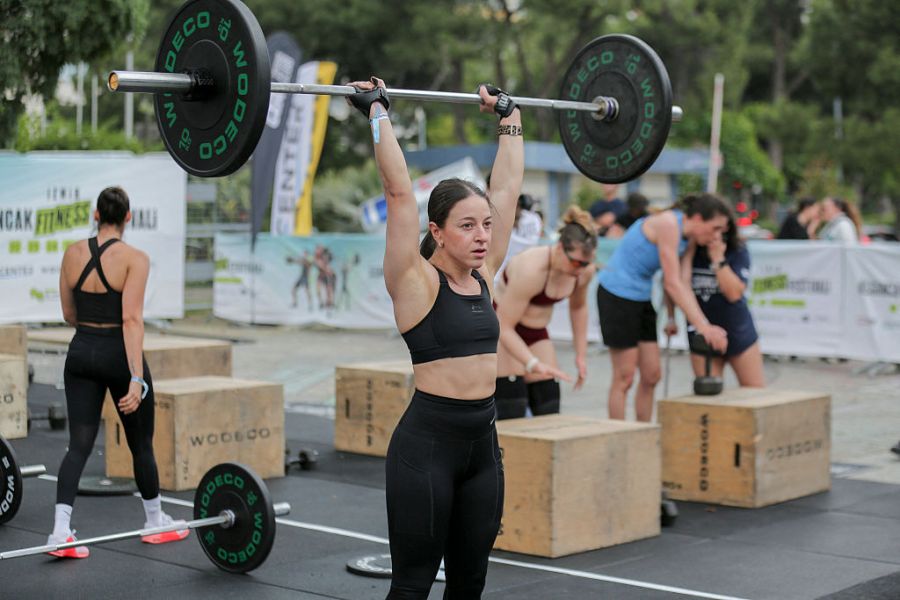
For anyone following a hybrid training approach, grip strength can be the difference between achieving a new personal best and falling short. Your cardiovascular fitness and lower-body strength may be capable of more, but if your grip can’t hold on to the bar, kettlebell or sled, your performance will eventually reach a ceiling.
Grip strength is often one of the first things to fatigue during deadlifts, pull-ups, rows, farmer’s carries and functional conditioning workouts. As fatigue builds, a stronger grip allows you to maintain better technique, complete more high-quality repetitions and sustain your performance for longer.
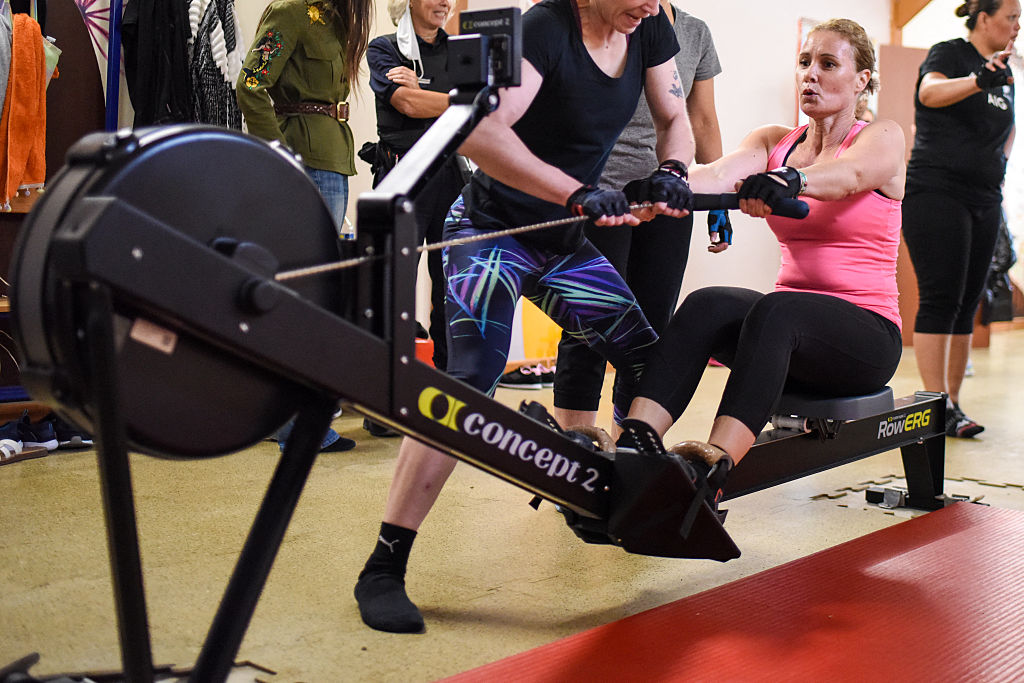
In endurance-based events such as HYROX or obstacle-course racing, grip endurance becomes even more important. It helps you transition efficiently between strength and conditioning exercises without your grip becoming the limiting factor.
The benefits beyond the gym
Outside the gym, grip strength influences far more than most people realise. Simple everyday tasks rely on our ability to generate and sustain force through the hands and forearms.
As we age, grip strength naturally declines if it isn’t maintained, which can make daily activities more difficult and reduce independence. Building and preserving grip strength isn’t just about improving fitness; it’s about maintaining the physical capacity to do the things you enjoy for years to come.
What your grip can reveal about your health
Perhaps even more interesting is what grip strength can reveal about your overall health. It has become one of the simplest and most widely used measures of general muscular strength, and healthcare professionals often assess it using a handheld dynamometer as part of broader health evaluations.
Numerous studies have found that lower grip strength is associated with a greater risk of frailty, reduced mobility, cardiovascular disease and even premature mortality. While grip strength alone can’t diagnose a health condition, it can provide a useful snapshot of overall physical function and muscular health.
In many ways, it reflects how well the body is ageing and how resilient it is to physical stress. This is one reason why maintaining muscle strength throughout life — not just muscle size — is becoming an increasingly important focus in both performance and preventative health.
Simple ways to improve your grip
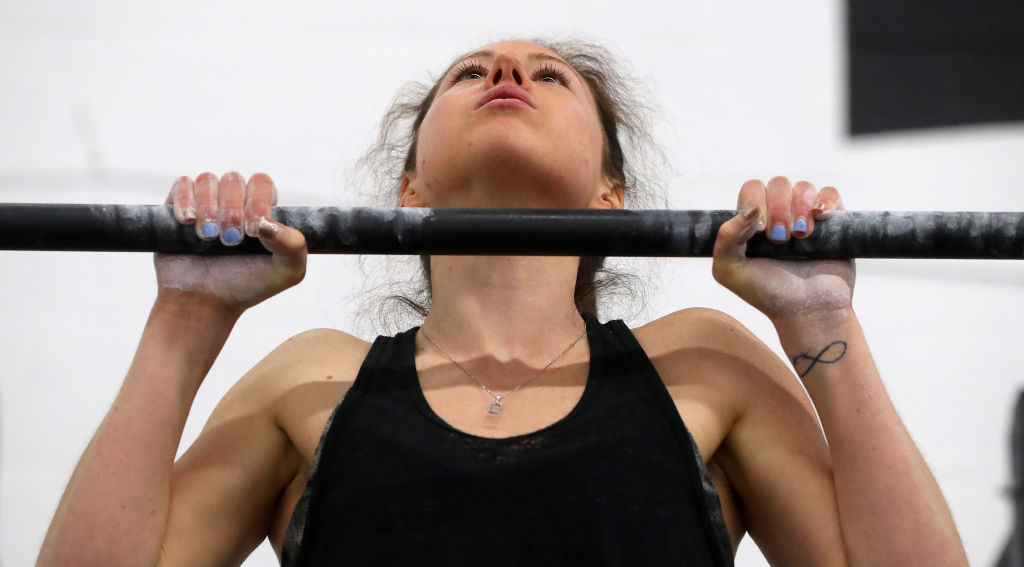
The good news is that improving your grip doesn’t require complicated equipment or hours of additional training. One of the most effective exercises is the dead hang: simply hang from a pull-up bar for 20 to 45 seconds, aiming for two to four sets and gradually increasing the time as you become stronger.
Farmer’s carries are another excellent option. Walk while holding heavy dumbbells or kettlebells at your sides. This not only builds grip endurance but also strengthens the core and helps to improve posture.
Compound pulling exercises such as deadlifts, Romanian deadlifts, rows and pull-ups naturally challenge your grip and should form the foundation of any strength programme. If you regularly use lifting straps, consider saving them for your heaviest sets so that your grip continues to develop alongside the rest of your body.
A small focus with significant rewards
Grip strength may never be the most glamorous part of your training, but it’s one of the most valuable. It supports better athletic performance, makes everyday life easier and provides a surprisingly powerful insight into overall health.
Better still, it’s quick to train, relatively easy to improve and benefits everyone — whether your goal is to perform at your best, stay healthy or simply remain strong and capable for life.