
Online personal trainer Tara Hall explains why the most effective strength-training programmes are built around four key movement patterns – and how mastering them can help you build muscle, increase strength and train more efficiently, whatever your fitness level
When it comes to building strength, improving fitness and reshaping your body, you don’t need a complicated training plan.. Whether you’re stepping into the gym for the first time or you’ve been lifting weights for years, mastering these fundamental exercises will give you the biggest return on your effort.
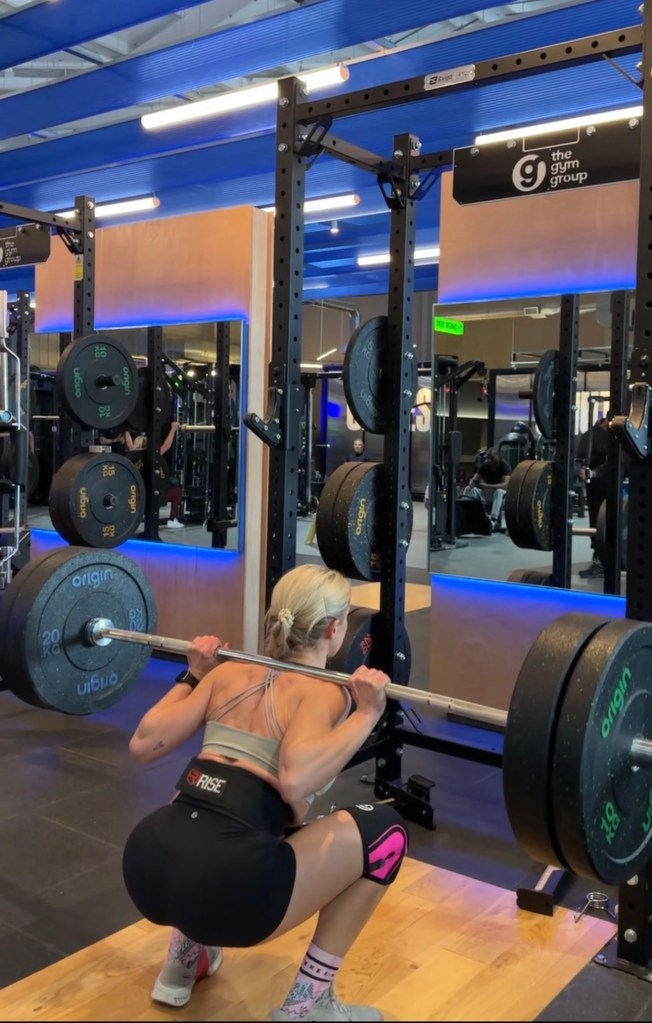
1. Squat
Squats are one of the best lower-body exercises you can do. They primarily work your quads, hamstrings and glutes, but also target your core and back and work hard to keep your body stable and upright throughout the movement.
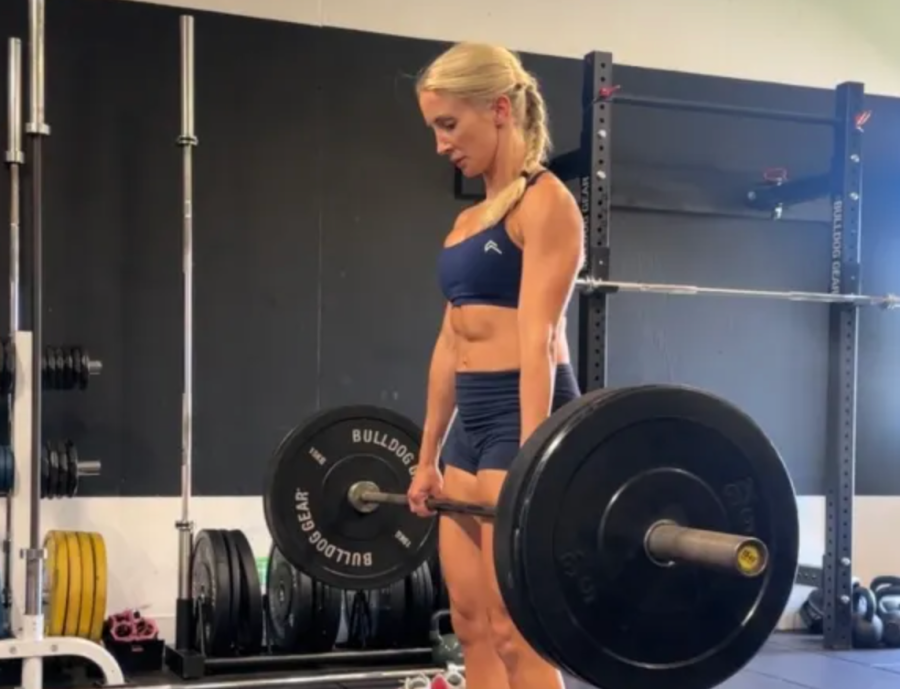
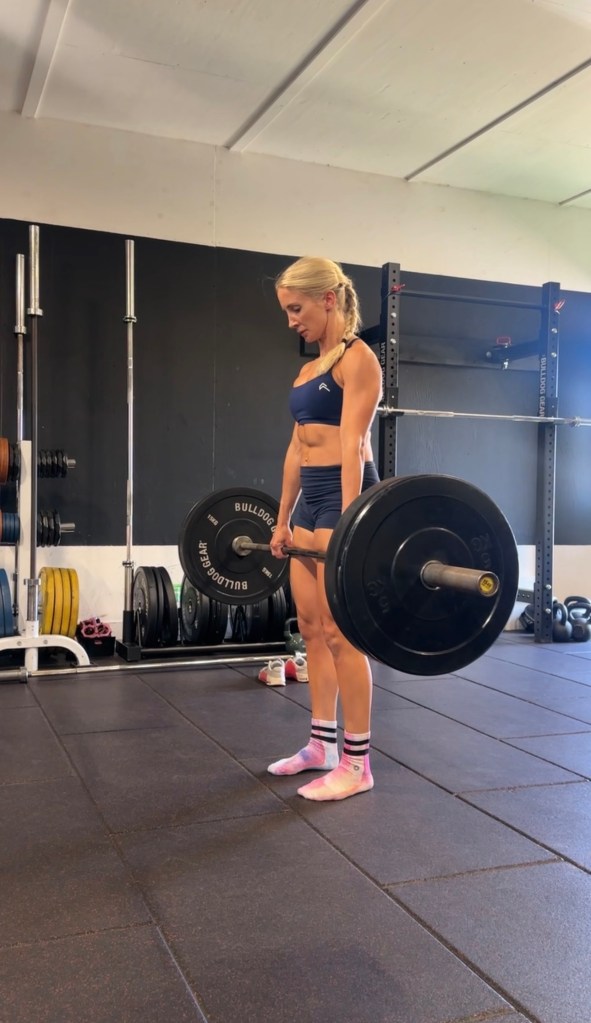
2. Hinge
Hinge movements, such as the deadlift, strengthen your entire posterior chain – the muscles along the back of your body. They target your hamstrings, glutes, lower back and lats, while also challenging your core and quads.
3. Push
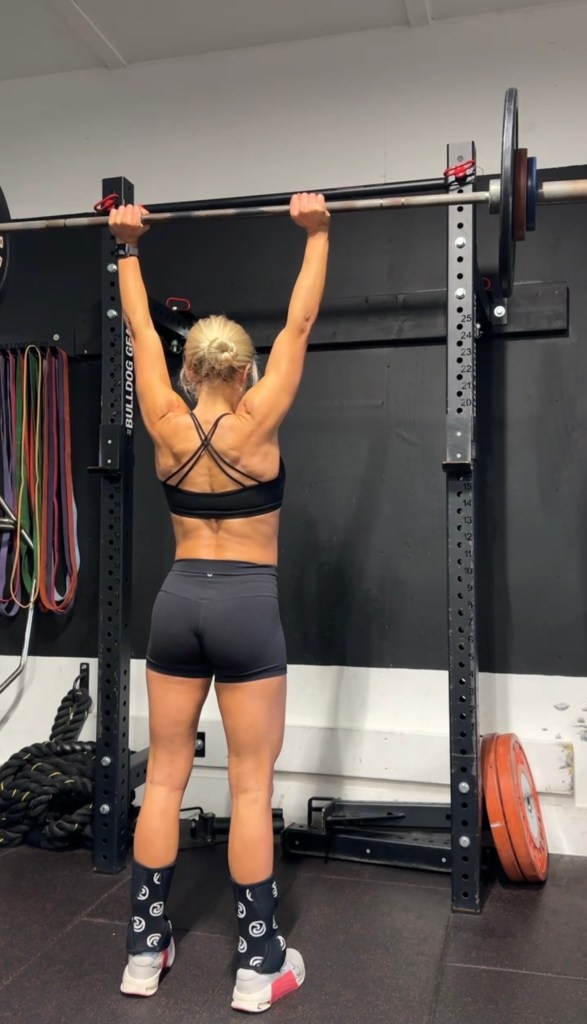
Push movements – overhead press (shoulders, triceps, core), bench press (pectorals, shoulders, triceps, core)
Push exercises include movements such as the bench press and overhead press. The overhead press mainly targets the shoulders, triceps and core, while the bench press works the chest, shoulders, triceps and core.
These exercises help develop upper-body strength while improving stability and coordination.
4. Pull
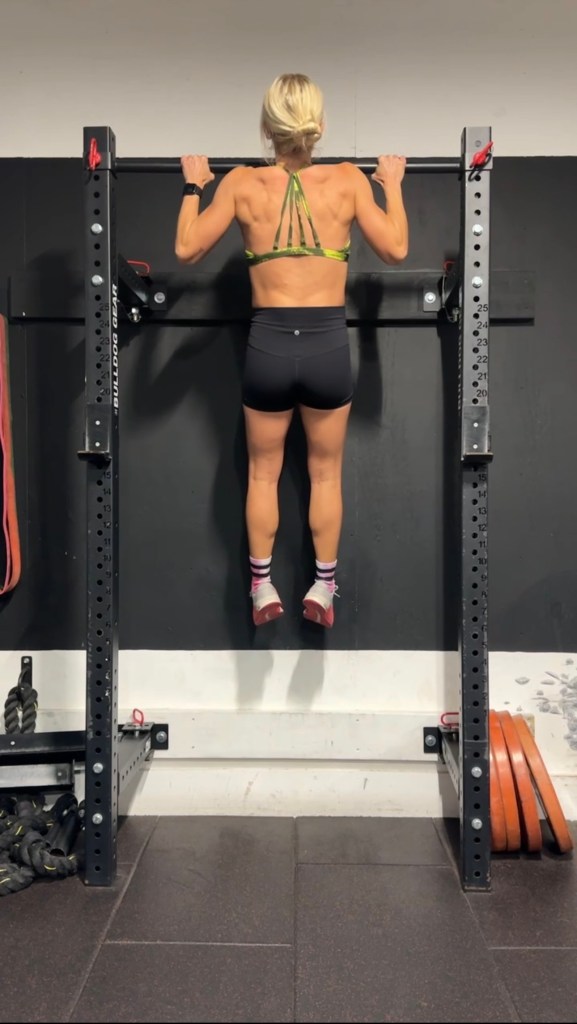
Pulling exercises balance out pushing movements and are essential for good posture and a strong back.
Examples include pull-ups, lat pulldowns, seated rows and bent-over rows, which primarily target the lats, upper back and biceps while also engaging the core.
Why these movements matter
These four movement patterns are all compound exercises, meaning they recruit multiple muscle groups at the same time rather than isolating a single muscle.
That makes them incredibly efficient. Instead of spending an hour working individual muscles, you’re building strength across your entire body with every rep.
There’s another benefit too: compound lifts demand significant core stability. You might not feel the same abdominal burn as you would during crunches, but your core is working continuously to keep you stable, protect your spine and control the weight.
How to build them into your training
The exact structure of your programme will depend on how often you can train.
If you can get to the gym four times a week, two upper-body and two lower-body sessions work well, ensuring all four movement patterns are covered across the week.
If you’re training three times a week, full-body workouts are often the most effective option, with each session including a combination of these key movements.
Start with the big lifts
Compound exercises should usually come first in your workout while you’re fresh. They’re technically demanding, require the most concentration and place the greatest demand on your muscles and central nervous system.
For that reason, it’s often best not to perform heavy squats and heavy deadlifts in the same session if your goal is to maximise performance in both. Separating them allows you to lift heavier, maintain better technique and recover more effectively.
Don’t forget the accessory work
Once the major lifts are complete, accessory exercises can be used to strengthen individual muscles and address any weaknesses.
Accessory exercises include tricep pushdowns (triceps), bicep curls (biceps), lateral raises (shoulders), hamstring curls (hamstrings), leg extension (quads) which all target one specific muscle.
The bottom line
As you get more advanced in the gym, you or your coach will know which movement patterns work best for you and how to get the most out of your training sessions based on your goals, whether that’s building muscle, increasing strength or improving athletic performance.
But regardless of experience level, consistently including squats, hinges, pushes and pulls in your weekly routine provides a balanced foundation for long-term progress.
Gradually increasing the weight you lift over time while maintaining good technique will help you build strength, improve body composition and gain confidence in the gym and lead to huge changes in your body.
Tara Hall is an online personal trainer and women’s gym owner. For more info visit Tara Hall