
Want to stay strong, mobile and independent for longer? Liam Hogan, head of fitness at Veyr, reveals the simple functional exercises that make everything from carrying the shopping to climbing stairs easier – with workouts you can try at home or in the gym.
Pics: Getty Images
Functional exercises are an opportunity to say yes to more of the things you love, whether that’s playing with or lifting your child, trying a new sport or returning to one you enjoyed when you were younger. It could be something as simple as carrying your shopping or taking the stairs instead of the lift or escalator.
Training in this way expands the range of movements you can perform confidently and instinctively. With so much of modern life spent sitting at a desk, commuting or relaxing on the sofa, it has never been more important to include these movements in your exercise routine.
What is functional exercise?
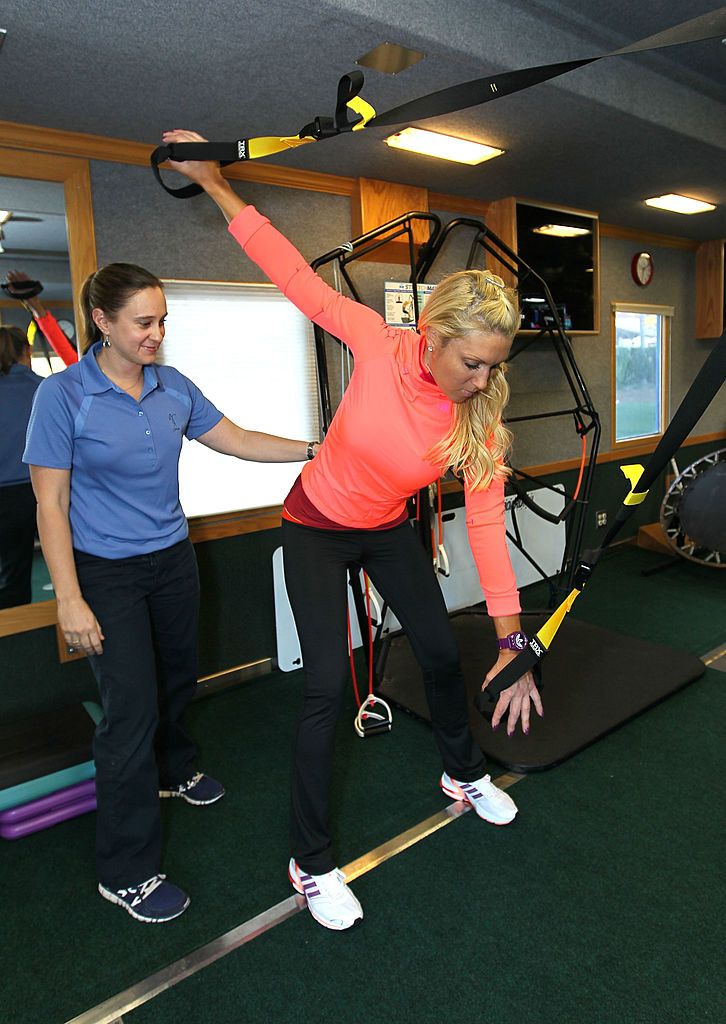
Functional exercises are movements that carry over directly into everyday life. They tend to involve a larger range of motion and multiple joints, rather than relying on traditional fixed-resistance machines. Key movement patterns include pushing, pulling, squatting, lunging, bending and twisting – or combinations of several of these movements.
A time-efficient way to train
Functional movements can keep your training exciting and varied, while also offering excellent value when you have limited time or equipment.
There are many benefits. Functional training can save time and money, improve mobility, balance and core strength, and keep your workouts fun and varied. It is also infinitely scalable and progressive.The goal is to get you moving and keep you moving, so you can continue doing what you love for as long as possible.
Equipment you can use almost anywhere
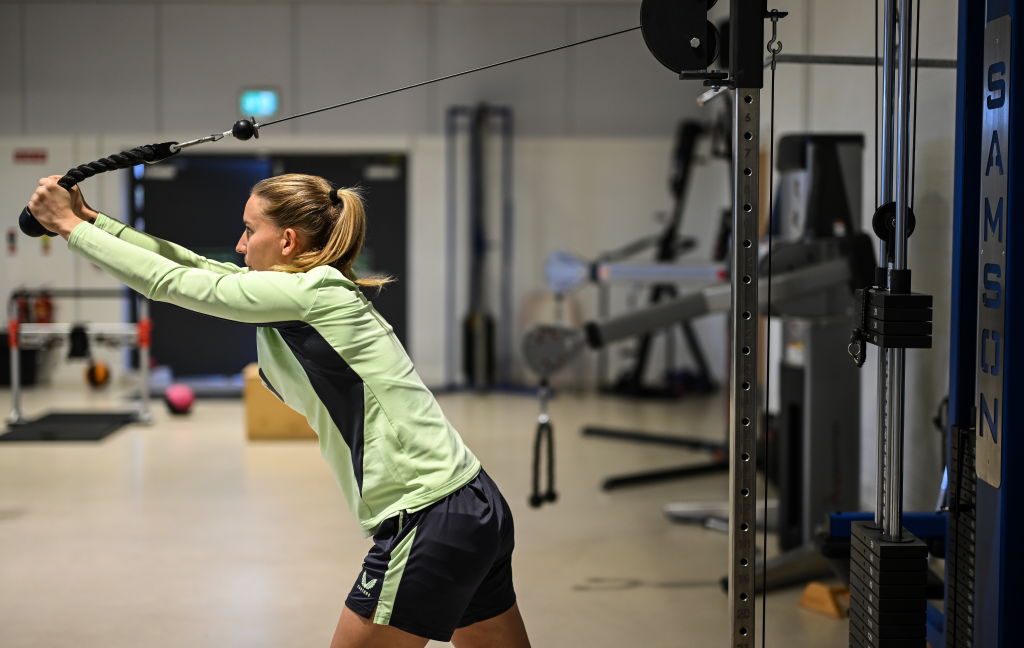
The equipment used for functional training can vary enormously, and many exercises can be adapted to suit different pieces of kit.
The most accessible option is your own body weight, but you can also use dumbbells, kettlebells, medicine balls, barbells, gymnastic rings or suspension trainers. This variety provides plenty of options when programming a session and selecting movements.
Because many exercises can be performed using only your body weight or minimal equipment, sessions can be completed inside or outside the gym. This means there is almost always a way to fit training into the time and space you have available.
Training at home has never been more accessible, while the wide range of functional equipment available in commercial gyms makes it easy to get involved and give it a go.
How to make functional exercises harder or easier
There are two main ways to overload and progress your training. The first is to increase the weight, gradually adding more load as your strength, technique and confidence improve.
The second is to increase the difficulty of the movement itself. One exercise will often lead naturally into another or provide a foundation for a more advanced variation.
This works in reverse, too. You can make an exercise more accessible by reducing the load or scaling back the movement. Functional training can therefore be adapted to suit your ability and experience.
Try this functional workout at home
Below are two simple workouts created through the Veyr app – one for the gym and one to complete at home. Both are accessible and achievable, and you can scale them by completing only the amount of work that feels manageable within the available time.
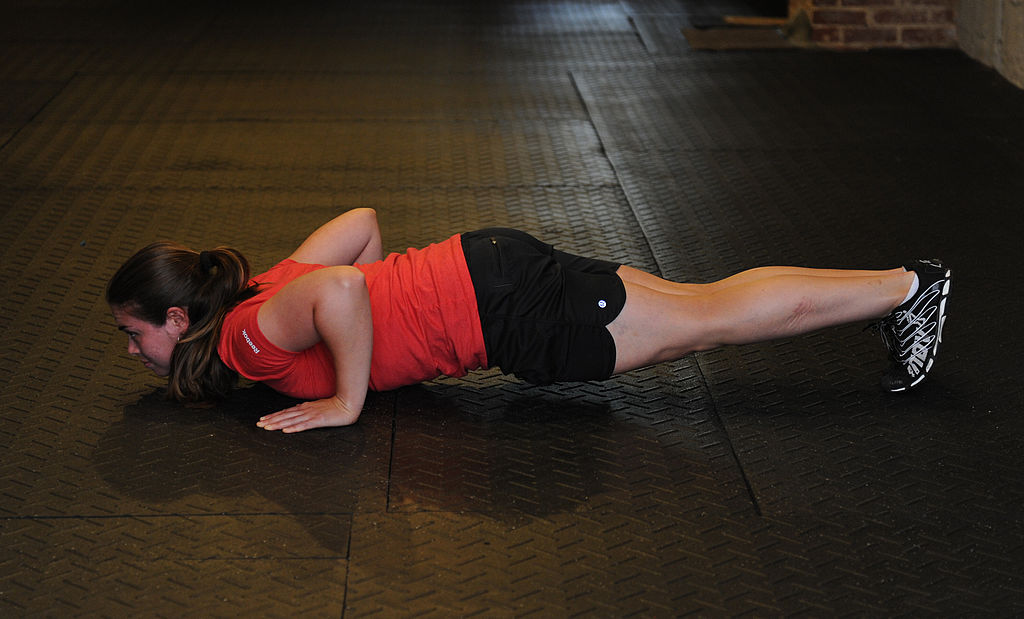
For the at-home circuit, work for 30 seconds and rest for 30 seconds. Complete all five exercises to finish one round, then repeat for three to five rounds, depending on your fitness level and the time available.
- Burpees
- Chair step-ups
- Mountain climbers
- Walking lunges, loaded or unloaded
- Shuttle runs
Try this functional workout in the gym
Complete the following exercises in sequence, adjusting the resistance and workload to suit your fitness level.
- Rowing machine
- Ring or suspension-trainer push-ups
- Kettlebell swings
- Burpees over a kettlebell
- Hanging knee raises
Train for the life you want to lead
I hope you feel inspired to get up and use your body. Remember, we want to continue doing what we love, with the people we love, for as long as possible. Keep moving, keep your training fun and, in turn, keep progressing.
Liam Hogan is co-founder and head of fitness at the fitness app Veyr. Find out more at Veyr.fit or follow @veyr.fit on Instagram.