


If you’ve ever had a bad case of flu, you’ll know it’s a lot worse than a common cold. For many people, it means they are bed-ridden for several days and it can lead to health complications. Discover why you should get the vaccine to protect not only yourself, but your loved ones too.
Pics: Getty images
Flu season tends to start in October and cases increase up until February, making now a good time to get your flu vaccine before it starts circulating widely. Although in the UK and USA it is not offered for free to under 65-year-olds, women aged 50–64 may qualify earlier if they have certain underlying health conditions or other eligibility criteria; otherwise it costs around £15/$25 to have it in a pharmacy or even supermarket.
Read on to understand what the benefits are in having it at 50
Why is the flu jab important for women over 50, and what can it protect against?
“Flu is very different from having a cold and for many people, it means several miserable days in bed,” explained Dr Nikki Ramskill, women’s health GP and founder of The Female Health Doctor Clinic
“It can also cause serious complications including pneumonia, worsen existing conditions such as asthma, diabetes or heart disease, and sometimes lead to hospitalisation.
“As we get older, our immune response gradually changes, and the likelihood of developing other health conditions also increases. Vaccination reduces your chance of becoming seriously unwell from influenza and, importantly, reduces the risk of complications if you do catch it.”
Pankti Shah, a Doctor of Pharmacy at PharmaLink Academy adds that “all women over the age of 50 years should have the seasonal influenza vaccine.
“The risk of complications of influenza increases with age and especially if you have other health problems, for example, heart and lung conditions, kidney conditions and weakened immune conditions.
“Influenza is a lot worse than a “bad cold” and can lead to serious conditions such as pneumonia and even death. It is important to protect yourself and others from the serious effects of flu by getting the vaccination,” she added.
On the subject of heart health, Superintendent Pharmacist, Ana Carolina Goncalves, from Pharmica explained how flu places a lot of stress on the body and can trigger cardiovascular complications in vulnerable people.
“Recently, the European Society of Cardiology released a statement regarding the key role that flu vaccination plays in preventing cardiovascular events, especially in high-risk individuals. While I wouldn’t go as far as describing the flu jab as a preventative measure against cardiovascular disease, getting the vaccine does have significant benefits, particularly for those who already have heart disease,” she explained.
Are there any side effects of having the flu vaccine?
“Thankfully, most side effects are mild and short-lived (if any). The commonest is a sore or aching arm where the injection was given. Some people experience a headache, muscle aches, tiredness or a mild temperature for a day or two,” explained Dr Ramskill.
“The injectable flu vaccine used in adults cannot give you flu. Serious reactions are rare, and for people who are at increased risk from influenza, the benefits of vaccination significantly outweigh these temporary side effects.
“For adults, the flu vaccine is normally given as a single injection into the upper arm. The vaccine is updated each year because the influenza viruses circulating in the population change, which is why vaccination is recommended each flu season rather than being a one-off vaccination.”
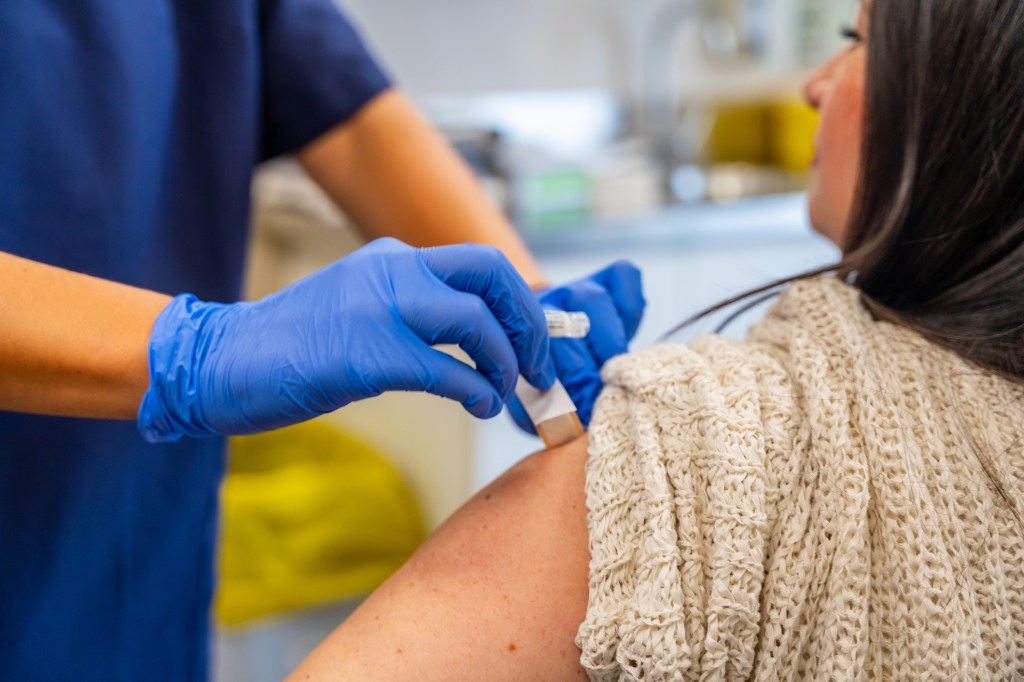
Who is most likely to benefit from having the flu vaccine?
The people most likely to benefit are those at greatest risk of becoming seriously unwell with flu.
Dr Ramskill points out this includes older adults and people with conditions such as diabetes, chronic heart, lung, kidney or liver disease, neurological conditions or weakened immune systems, as well as pregnant women.
“For women in midlife, I think it’s particularly important not to assume that being fit and active means flu can’t affect you. Even an otherwise healthy person can be completely knocked out by influenza, and recovery can take longer than people expect.”
Does the flu vaccine protect against colds and other winter viruses?
“No. The flu vaccine specifically targets influenza viruses. It doesn’t prevent the common cold, RSV, COVID-19 or the many other respiratory viruses circulating during winter,” added Dr Ramskill.
“You may therefore still develop coughs and colds after having your flu vaccine. That doesn’t mean the vaccine hasn’t worked, it’s just that you’ve encountered a different virus.”
What happens if you get flu and haven’t had the vaccine?
Many people will recover at home, but genuine influenza can be a significant illness.
“Symptoms tend to come on quickly and can include fever, exhaustion, headache, aching muscles and joints, and a dry cough,” explained Dr Ramskill.
“The bigger concern is complications. Flu can lead to pneumonia or exacerbate underlying conditions and, particularly in vulnerable people, can result in hospitalisation.
“Having the vaccine doesn’t guarantee that you won’t catch flu, but it can reduce both your likelihood of infection and your risk of becoming seriously unwell.”
Are there any surprising additional benefits of the flu jab and does it protect against COVID?
The flu vaccine does not replace a COVID vaccine and shouldn’t be viewed as protection against COVID-19 itself. They are different viruses and require different vaccines.
“However, there is an interesting wider health benefit to preventing influenza,” said Dr Ramskill. “Flu places significant inflammatory and physiological stress on the body and can destabilise existing cardiovascular disease. Research has associated influenza vaccination with a lower risk of serious cardiovascular events in some higher-risk groups.
“So I often think about the flu vaccine as more than trying to avoid a week in bed. For the right patient, it is part of protecting their overall health through the winter.”