
You don’t need a home spa or an indoor gym to embrace the wellness trend. Interior designers reveal the simple changes – from calming bedrooms and restorative bathrooms to herb gardens and better lighting – that can help create a healthier, happier home
PICS: Getty Images
Interior trends come and go but in the chaotic world we live in, it is no surprise that more and more people are incorporating wellness into their homes. As people tap into the longevity trend that is set to stay, they are becoming increasingly interested with how a property can support their health to make life better and more enjoyable.
“Luxury used to mean a bigger home gym. Today, it means a healthier home,” explained interior designer Samantha-Jane Agbontaen, Founder of https://housedesigner.com
“Homes have become spaces that help promote both physical and mental health as opposed to just being a place to live. People are using design features and building materials in ways that promote sleep, relaxation, activity and interaction with the outdoors. This trend is a reflection of an increasing desire for homes to improve your daily quality of life.
“For a long time the home was where you collapsed at the end of the day. Now people want it to help them rest, not just somewhere to crash. You don’t have to go to a spa for wellness anymore as we see a growing trend of clients asking for plunge pools and saunas built at home.”
Interestingly, Samantha-Jane believes the Covid pandemic, as well as our hormones, both play a big part in the growth of “wellbeing homes”
“The pandemic has a lot to answer for. It really changed how people think about their homes and what home means to them. Home is now a place you can chill, recover and rejuvenate.
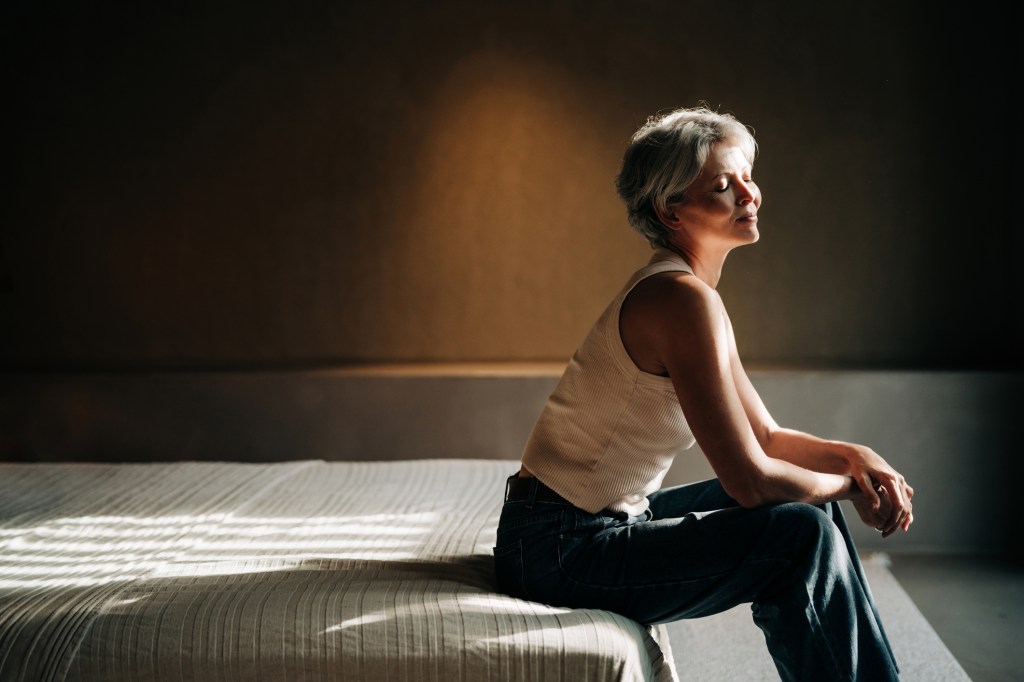
“And the other thing I’ve noticed is that many of my clients, like myself, are aged over 40 and starting to go through peri-menopause and menopause so sleep has become more paramount for them than ever before.
“We’re at a stage where sleep, recovery and hormonal health matter more. Cold plunges, better sleep, calm spaces, they all help with menopausal symptoms.”
Changing landscape – literally
Traditionally – for those that could afford it – building a swimming pool or gym at home was the ultimate wellness addition. However, one Miami estate agent pointed out in his experience the landscape has completely changed.
“Wellness has quickly become a real decision-maker in residential real estate. People want to know that their home actually supports the way they want to live every day, especially with longevity and recovery as a growing trend,” explained Chris wands https://www.elliman.com/agent/christopher-wands/1025536
“It’s interesting because wellness isn’t confined to one room anymore, like a gym or pool area; now it touches the kitchen, bathroom, air systems, water filtration, materials, lighting, outdoor space, and even the way a home feels emotionally when you walk in.
“The kitchen is a good example. I’m seeing more buyers respond to chef-style kitchens with real prep areas, walk-in pantries, refrigeration walls, and layouts that make healthy living that much easier. People truly believe that wellness starts with how they eat, so the kitchen has become part of the wellness conversation in a way most people haven’t typically recognized.
“Cold plunges and saunas are definitely part of the conversation, but the execution matters a lot here. A cold plunge can be great if it is integrated into a gym, outdoor wellness area, or full wet-room concept.
If it feels like something dropped into a corner because it was trendy on Instagram, buyers notice. The same goes for meditation rooms. Not everyone calls it that, but people want quiet, flexible spaces where they can disconnect, stretch, read, breathe, or be away from the rest of the house.
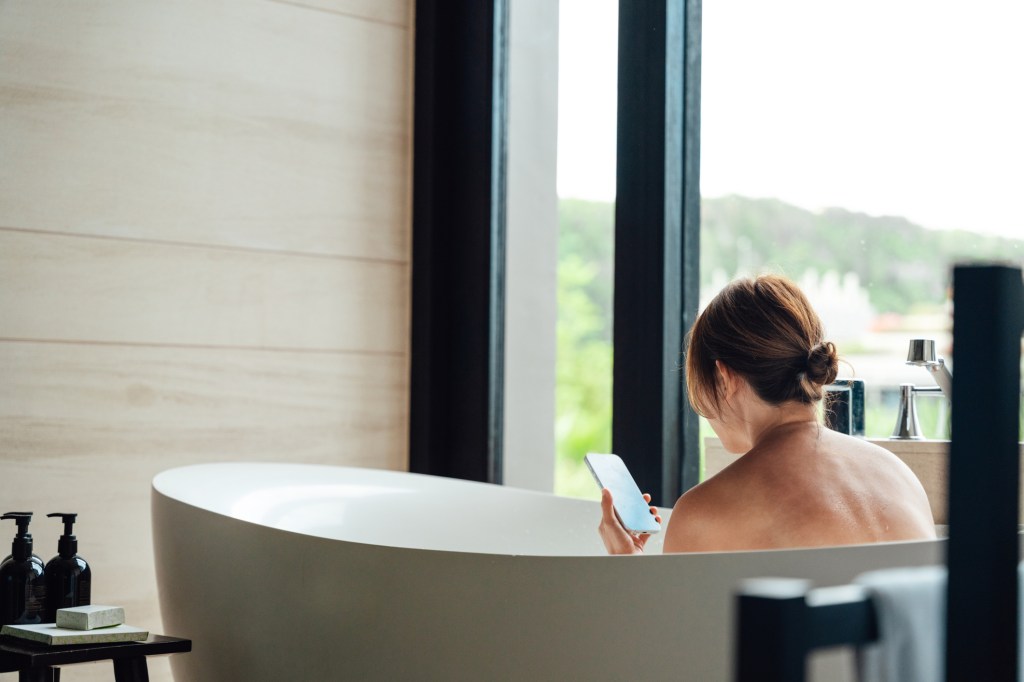
“Bathrooms are probably where the trend is most obvious. Wellness has completely taken over the bathroom conversation. People want spa-level primary baths with proper steam showers, full wet rooms, infrared saunas, oversized showers, freestanding tubs, smart toilets, and real storage for skincare, supplements, and daily routines. A lot of people are building rituals around steam, magnesium baths, CBD soaks, cold plunges, and recovery.”
The personal touch
In total agreement is interior designer Chalon Clark www.yourdesignredefined.com who believes bathrooms have become much more personal than they used to be.
“Clients are asking for steam showers, soaking tubs, heated floors, and softer lighting because they want the space to help them unwind, not just get ready in the morning. I think people have realized that luxury isn’t always about expensive finishes. Sometimes it’s simply having a room that helps you slow down for a few minutes before the day starts or after it ends.”
The celebrity designer also points to the art of Feng Shui becoming popular at home as it is meant to promote a sense of calm and wellbeing.
“Feng Shui is all about balance, but the bedroom is one place where things should lean clearly towards more yin. The design should be softer, quieter, and more restorative. The problem is that most modern bedrooms often double as dressing rooms, media rooms, and storage zones. One of the easiest ways to bring the energy back to calm is with a well-placed room divider. Here are a couple of reasons why a divider works for wellness:
“It creates less visual noise and promotes deeper rest:
Open closets, clothing racks, and visible storage may seem harmless, but they create subtle visual busyness that can make it harder for your mind to fully relax. A room divider works like a visual exhale. When you’re in bed, you see less, think less, and settle faster.
“Out of sight, out of stimulation:
If you have numerous electronics in your bedroom, they bring active, alert energy into a room that should ultimately be cueing your body to power down. A folding screen or curtain divider lets you “put the room to bed” at night by hiding the TV or work devices. It’s a small ritual, but that physical act of closing things off can make the whole space feel more restful.”
It’s no surprise that outdoor areas are being utilized as meditation spaces but a nice addition to the home, and one that is on the rise – is the incorporation of garden space to grow your own fruits and vegetables. This trend reflects a broader movement toward sustainability and health.
“As the home wellness movement grows, herbs are becoming part of the trend,” explained Corinne Beirne, of the www.nourishedgarden.com
“Instead of only seeing wellness as saunas or cold plunges, people are bringing in herbs like chamomile, rosemary, lemon balm, mint, and lavender to support daily rituals. These can be grown in the kitchen, on a patio, or in small container gardens and used for teas, cooking, aromatherapy, and calming routines.
“Not everyone can install a sauna or cold plunge, but many people can grow a few herbs or create a container garden that supports cooking, tea-making, mindfulness, and time outdoors.”