
Private health MOTs promise peace of mind by spotting potential health problems before symptoms appear. But experts warn that full body scans can trigger anxiety, lead to unnecessary tests and offer false reassurance. So are they worth the money – or could they do more harm than good?
Pics: Getty Images
As a health and lifestyle editor, I get lots of opportunities to trial new things. And whilst I am fascinated by health technology, I’ve turned down several offers from PR’s to undergo 3D MOT body scans. Whilst I’m not against them entirely and understand why, as a preventative measure, people are drawn to them – my thoughts are probably influenced by my oncologist father who has always led me to believe that too much screening and over investigations are not necessary. Although I was offered the scans for no payment, I’m also conscious that with some clinics charging up to £2000 for a full body scan, the fee will not appeal to many people so it’s not something I wanted to review.
That said, I’ve heard of many positive stories where people have claimed the scans picked up abnormalities that saved their lives, but – as with all expensive private healthcare offerings – it’s important to go into these things knowing the facts. And it seems my own cautiousness is a point of view echoed by many, with the UK National Screening Committee/NHS guidance warning that “commercial screening can sometimes offer tests that aren’t evidence-based, and that abnormal findings can lead to anxiety, repeat investigations and additional NHS workload”. (It specifically mentions commercial full-body scans among the types of screening being sold privately.)
Why private full body scans are booming
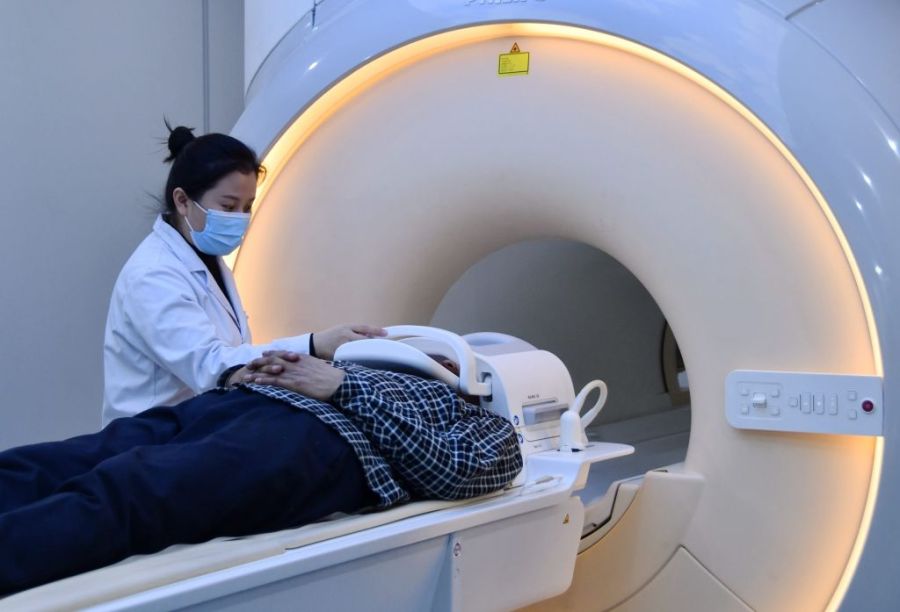
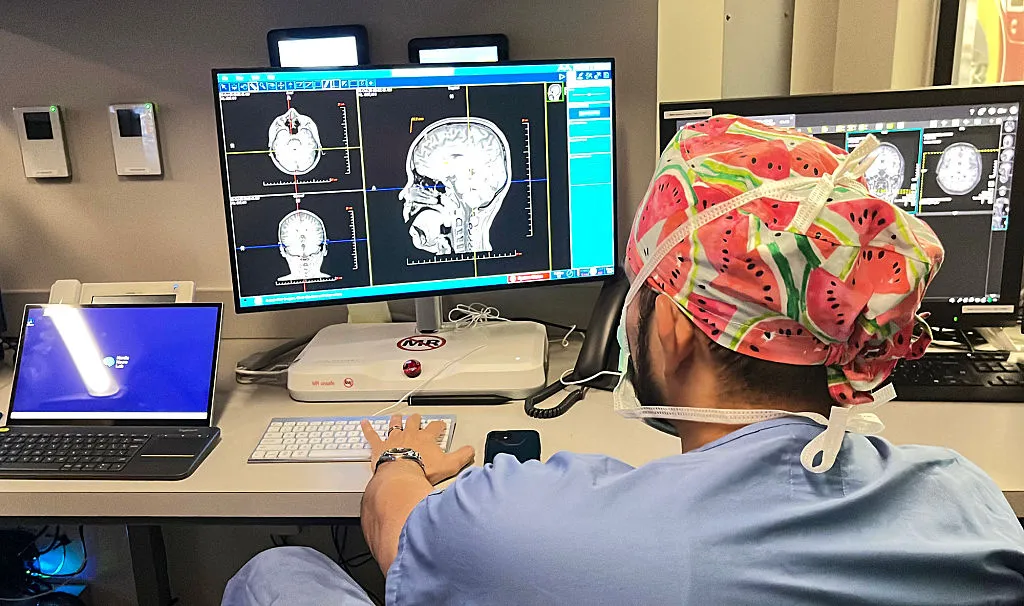
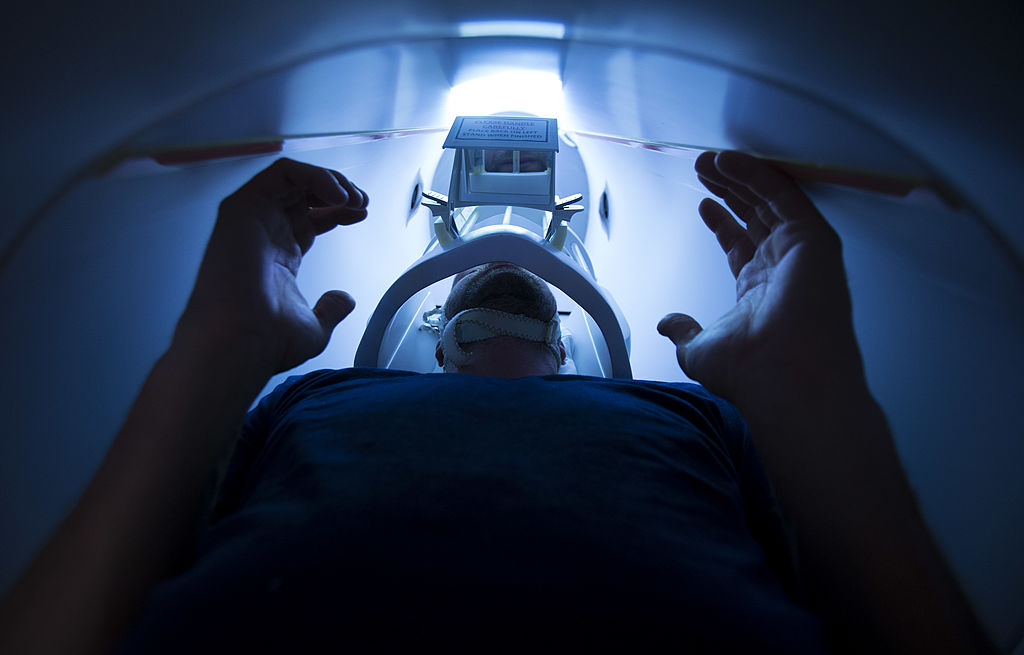
Whilst acknowledging the rise of private body scans and pointing out they will continue to play a role in the future of healthcare, Dr Daryl Eber, Co-Founder, Medical Director and Lead Radiologist at 3T Radiology breaks down both the advantages and disadvantages of them.
“In general, medicine is becoming more proactive rather than reactive. The promise of catching diseases early and providing earlier treatment and potential cures is too enticing to overlook,” he explained.
“The whole-body MRI might be the start of this trend, but it doesn’t have to be a final outcome. This is being integrated into newer early cancer and disease detection programs. Medicine has not put much effort into evidence-based research into these newer proactive studies, outside of the traditional screening exams. For now, the whole-body MRI complements regular care and screening, but it does not replace them. The whole-body MRI may morph into various specialized screening exams for patients, but one thing will remain constant; the scan needs to be read by subspecialists, ideally multiple of them, rather than a generalist, to help provide appropriate answers, not more questions.”
The hidden risks of false positives and incidental findings
As for the downside to the scans, he points out that the most obvious one are the false positive results and the incidental findings that don’t have any real effect on the outcome of a patient’s health.
“These findings could cause increased anxiety, more expense or even worse unnecessary treatment.”
In his practice, Dr Eber says he tries to mitigate these risks by customizing the whole-body MRI for each patient and having multiple subspecialty radiologists read the study.
“In England, they have a second radiologist read each mammogram in their breast screening program. This lowers recall rates while also improving cancer detection. Newer artificial intelligence algorithms, some of which we deploy in our program, also help mitigate false positives and downplay incidental findings. I also think there needs to be effective communication to patients and their ordering doctors that want this procedure. Like all of medicine, this is not an end-all, be-all for everything. They need to understand and accept the risks.”
Why screening isn’t always better
As for heeding caution, Dr James Chao, Chief Medical Officer and Co-Founder of https://vedanuwellness.com/ – who specializes in skin cancer reconstruction, breast surgery and biopsy – advises to be aware that “screening isn’t always better.
“I live at the very tail end of the referral funnel these scans begin their journey down because that shadow you see on the whole body MRI turns into a patient on a surgeons desk at some point as a referral, and that surgeon is often me,” he explained.
“MRI machines are amazing feats of physics and medicine that can pull off some incredible scans. Full-body MRI scans, on the other hand, are almost never the best test to order. Screening isn’t always such better. More isn’t always right. Frankly, a full-body MRI is just a £2,000 way to buy yourself a problem you probably didn’t have. Screening isn’t always better.”
Can a full body scan miss serious health problems?
He also explains that too much over-diagnosis can sometimes lead to medical investigations that don’t actually need doing.
“One-third of patients will receive what’s called an incidental finding, something meaningless like a cyst on your kidney or a 6-millimetre spot on your lung or liver, and the vast majority of those will turn out to be harmless after you’ve stressed yourself silly and spent months, and potentially thousands of pounds more, proving it. Yeah, the scan is harmless. Feeling like you might have cancer for the next nine months is less so.
“Like with most of these screening suggestions, the devil is in the detail. And the detail is where MRI falls down. It doesn’t pick up bowel cancer, a leading cancer killer of women in their 40s. You need bowel prep and a camera for that. It lags behind a chest CT for early lung cancer, and an image, however fancy,