


As our interest in motorsport continues to rise, writer Donna Richardson escapes to the Escapade Silverstone Formula 1 experience for a health-test drive…
Words: Donna Richardson | Photography: Escapade
Gender equality in Formula One has come a long way, with 2025 stats showing that three-out-of-four new F1 fans are female. Indeed, the sport itself is undergoing a huge transformation to support more developing talent and put more women in the driving seat, and behind that growth is a group of truly exceptional athletes, excelling in all aspects of sport – mental, physical and emotional.
Formula One drivers must rapidly synchronise their thoughts and actions to make safe decisions on the track. Their teams, which include engineers and pit crews, play a crucial role in performing precise pit stops under intense pressure – and must also maintain peak physical fitness. The F1 season stretches from early spring to late autumn. The women’s F1 Academy series, which is helping to develop a pathway for female drivers, will begin again this month and run through to late 2026. While Formula One remains a male-dominated field, there have been historic figures who crossed the line, such as Maria Teresa de Filippis, who debuted at the 1958 Monaco Grand Prix, and Leila Lombardi, the only woman to score points in a Formula One World Championship race. Now, that pipeline is beginning to shift.
French racer Doriane Pin, widely viewed as one of the most promising female talents, has just become one of the Mercedes F1 team Development Drivers for 2026. Meanwhile, Britain’s Abbi Pulling, the 2024 F1 Academy champion, is considered one of the standout prospects of her generation, thanks to her pace, race craft and consistency under pressure. She follows in the wheel tracks of fellow Brit Jamie Chadwick [read our interview with the star on page 24], a three-time W Series champion, who has already broken barriers in elite single-seater racing and is often cited as one of the strongest female candidates to reach Formula One. With British women firmly in the frame, it feels less like a question of ‘if’ and far more a matter of ‘when’.
Fit for F1
Ultimately, though, to be an F1 driver you have to be mentally and physically fit. Always being switched on requires drivers to remain vigilant and prepared throughout the year, and the continual pressure they face necessitates rigorous training and exceptional mental resilience.
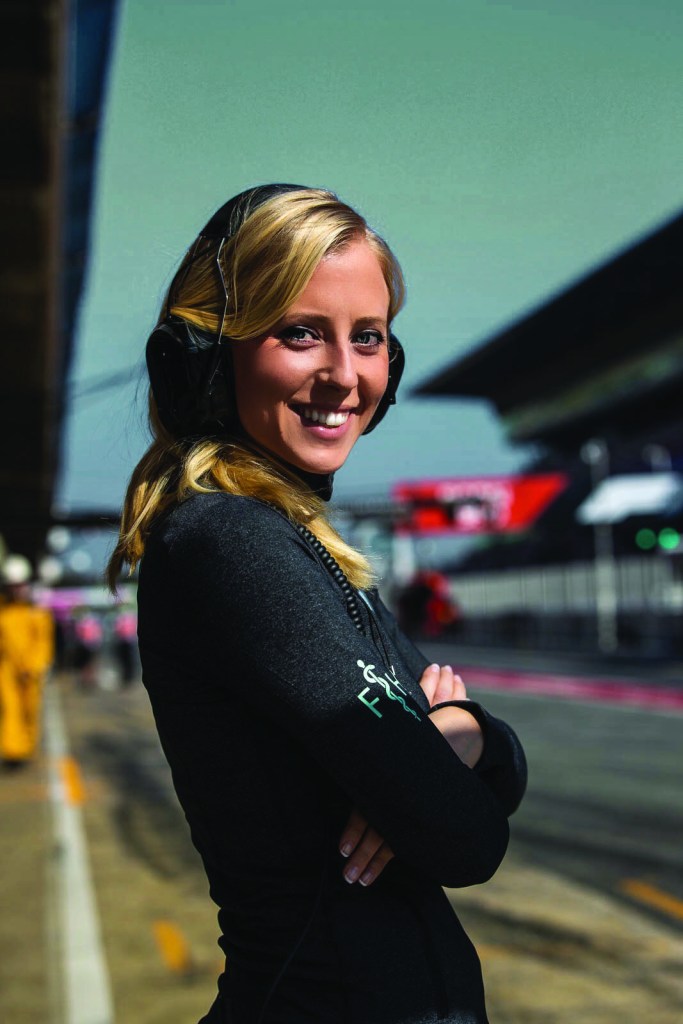
Gemma Fisher, Formula One’s first osteopath and former head of health and human performance at Williams Martini Racing F1 team, and Sauber Alfa Romeo Racing, has redefined motorsport performance and wellbeing. She has played a key role in enhancing the performance of top motorsport athletes by providing valuable health data. Now founder of Formula Health at Escapade Silverstone in Pangbourne, she brings elite expertise to guests.
Gemma began her career at Le Mans before joining Formula One. She helped optimise pit stops, contributing in 2016 to a world-record 1.92-second stop – a milestone that highlighted the importance of structured medical and performance support. Soon, as head of health, she was head-hunted to introduce systematic medical care across various race teams.
Gemma understands that ‘performance’ varies, from drivers chasing personal bests to individuals managing everyday health challenges. Drawing on F1 insights, Gemma now develops personalised medicine strategies tailored to a person’s needs.
“I’ve worked in motorsport technology for a long time and have seen a shift in our approach to preventive measures,” says Gemma. “Initially, financial directors were skeptical when I suggested investing in performance-improving technologies, focusing on immediate costs. I shifted the conversation to the long-term risks of not investing, such as potential injuries to team members, which has gained traction over the years. We now monitor vital data like sleep patterns and heart rate variability to identify early signs of illness or stress. For example, we use EEG devices to analyse brainwaves, which helps engineers stay calm and make better decisions under pressure. Training with these devices allows team members to practise reaching a “flow state” for optimal performance.”
“We also adopt a holistic approach to driver development, considering nutrition and nutrigenetics. By understanding how athletes metabolise substances, we can tailor dietary plans and medications. Blood tests help us optimise prescriptions, moving away from trial and error,” adds Gemma. “Our philosophy emphasises viewing the body as a whole, addressing both physical and mental wellbeing. This comprehensive approach helps drivers manage the intense pressures of Formula One and improve their performance on the track.”
At Escapade Silverstone, she enhances safety and performance through precision medicine including nutrigenetics, advanced blood testing and hyperbaric oxygen therapy. She also addresses historic male bias in sports science, recognising the physiological and hormonal differences that shape female energy, recovery and performance. Here’s how Formula Health at Escapade Silverstone is supporting the sport:
1) Female-focused performance
Formula One is now gathering crucial insights on women, recognising that drivers’ needs evolve across life stages. Formula Health at Escapade Silverstone focuses on biomechanics, hormones, genetics and metabolism, monitoring factors such as the microbiome and mitochondrial health to optimise training, recovery and nutrition. Gemma and her team track sleep, heart-rate variability and EEG brainwaves to detect stress or illness early. Personalised nutrigenetics and blood testing enable tailored diets and supplements, replacing trial-and-error approaches.
2) Biohacking health
‘I’ve seen a real shift in how we approach preventive measures in motorsport,’ says Gemma. ‘At first, financial directors focused on immediate costs, but reframing the conversation around long-term risks, such as team injuries, changed perspectives. Today, we monitor vital data to detect early signs of stress or illness. Training with these tools helps engineers and drivers reach a “flow state”, optimising decision-making under pressure.
‘We also take a holistic approach, integrating nutrition and nutrigenetics. By personalising diet and medication, we move beyond trial and error. Treating the body as a whole helps drivers manage intense pressures and perform at their best.’
3) Time-zone tactics
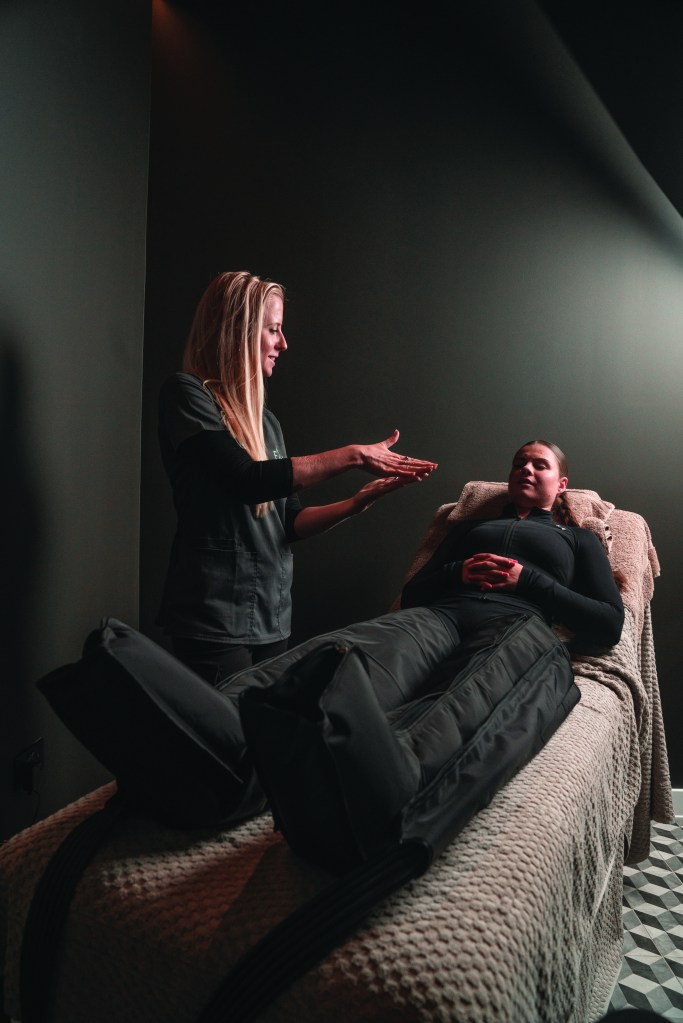
With a global race calendar, jet lag is one of motorsport’s biggest performance disruptors. Long-haul travel, climate shifts and compressed schedules place immense strain on the body. Pre-planned sleep routines, hydration strategies, supplements and biomarker tracking help drivers adapt quickly. Heat acclimatisation and oxygen-rich environments further support endurance and recovery under extreme conditions.
“Formula One racing is extremely stressful, impacting athletes’ bodies,” continues Gemma. “Long flights to places like Australia require quick adjustments to new time zones, which affects performance. Pre-season fitness plans help maintain condition, but off-season training is often limited. Managing jet lag is crucial – access to biomarker data and sleep apps support athletes. Planning meals and sleep helps them adapt quickly. Drivers use supplements and focus on hydration. For hot races, acclimatisation training is essential. Technologies like high-dose oxygen environments improve performance by enhancing oxygen intake.”
4) Empowerment through science
By combining traditional health fundamentals with advanced biohacking and life-stage monitoring, Escapade Silverstone equips female athletes with the insight, support and tools to optimise performance sustainably. As Gemma puts it: ‘Strength isn’t just about speed or power – it’s about smart training, recovery and understanding your body at every stage of life.’
5) Sleep support
Recovery and performance are key in biohacking and health technology. We should focus on using data for actionable insights rather than gathering it aimlessly. Connecting data sources like nutrition, gut health, and sleep patterns requires expertise. Working individually with athletes provides better insights, as each athlete needs tailored strategies for optimal health and performance. After exploring complex ideas, we often return to the basics. Good health depends on proper nutrition, quality sleep, and adequate recovery. It’s not just about hours of sleep; the quality matters. If you wake up feeling tired, your sleep quality may be poor. Avoiding screens before bed can help, as blue light disrupts sleep.
High cortisol levels at inappropriate times can impact sleep quality. For instance, drivers benefit from hyperbaric oxygen therapy after races, helping them recover and boost energy. This therapy enhances ATP production by providing more oxygen to cells, allowing drivers to recover quickly for their next race.
Combining basic health practices with advanced recovery methods is crucial for overall health. Racing schedules often have quick turnarounds. I once traveled from Canada to Azerbaijan, which was logistically challenging due to time zone changes. I had to switch from my F1 gear to endurance racing clothes while travelling. This experience taught me a lot about sleep deprivation and managing my circadian rhythm. Rather than simply pushing someone to hit a personal best or a one-rep max any day, we emphasise the importance of knowing when to work on flexibility and restoration versus when to push for performance. This approach marks a significant shift in how training can be approached.
Turkey wellness retreat: the spa break that changed how I train and recover
6) Age-appropriate action
In general, I find that younger drivers just starting out might present different challenges compared to more experienced ones. They often come in with issues that may be exacerbated by stress or tension, especially in areas like the neck and back. As drivers gain experience, they learn to manage these challenges better, leading to a reduction in tension. Neck issues don’t exist in isolation—they’re often linked to other areas of the body. The thoracic region, for instance, tends to be a significant area of concern, particularly because of the positions they maintain while racing. These thoracic and rib issues can connect to lower back pain and other regions, including the SOAS area in the front, illustrating the interconnected nature of physical challenges in drivers.
When working alongside seasoned drivers the emphasis is on maintenance and staying on top of their physical condition. In contrast, younger drivers just starting out often require more guidance and support. As we discuss the progression of drivers, it raises an interesting question about the optimum performance window. Although it’s a bit of a cliché, drivers can indeed continue racing well into their 50s. However, is there a specific time frame when they’re most at their prime? This isn’t a straightforward answer, as advancements in biohacking and recovery techniques can now extend a driver’s effective career for much longer.
Recent studies have shown that telomeres, which are the protective ends of DNA strands, play a significant role in the ageing process. The length of these telomeres can be measured, and with the right interventions – like certain supplements and proper nutrition -we may protect and even enhance them. This can lead to improved cellular regeneration and overall longevity. With modern restorative technologies, we can enhance recovery and prolong performance windows that previously were considered narrow. Many athletes across various sports, not just in F1, are utilising these advancements to extend their careers. Biohacking and longevity practices are becoming increasingly integral to high-level athletics, which is exciting not just for professional athletes but for everyone seeking to improve their quality of life.
A stay at Escapade
Trackside residence and fuel fit for active bodies, we discover what a break at the home of Formula One is really like…
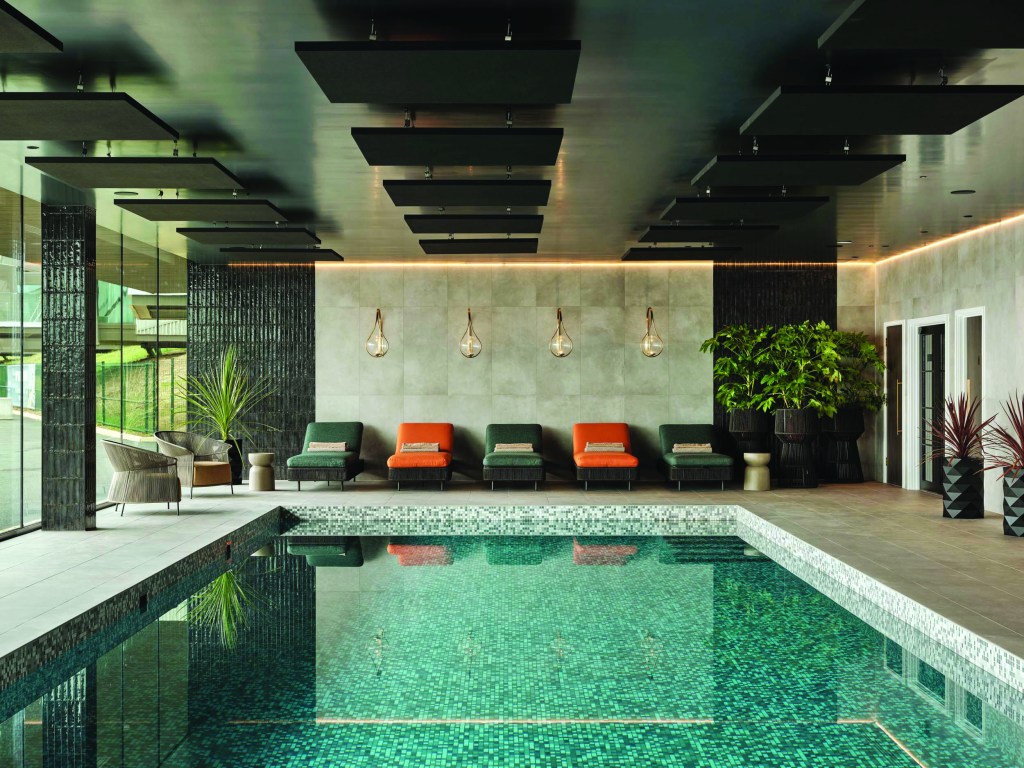
Escapade Silverstone features 60 modern one-, two- or four-bedroom futuristic apartments with VIP parking and EV charging. Guests can enjoy an early morning jog on the legendary track followed by a ‘breakfast of champions’ and nutritionally-balanced food.
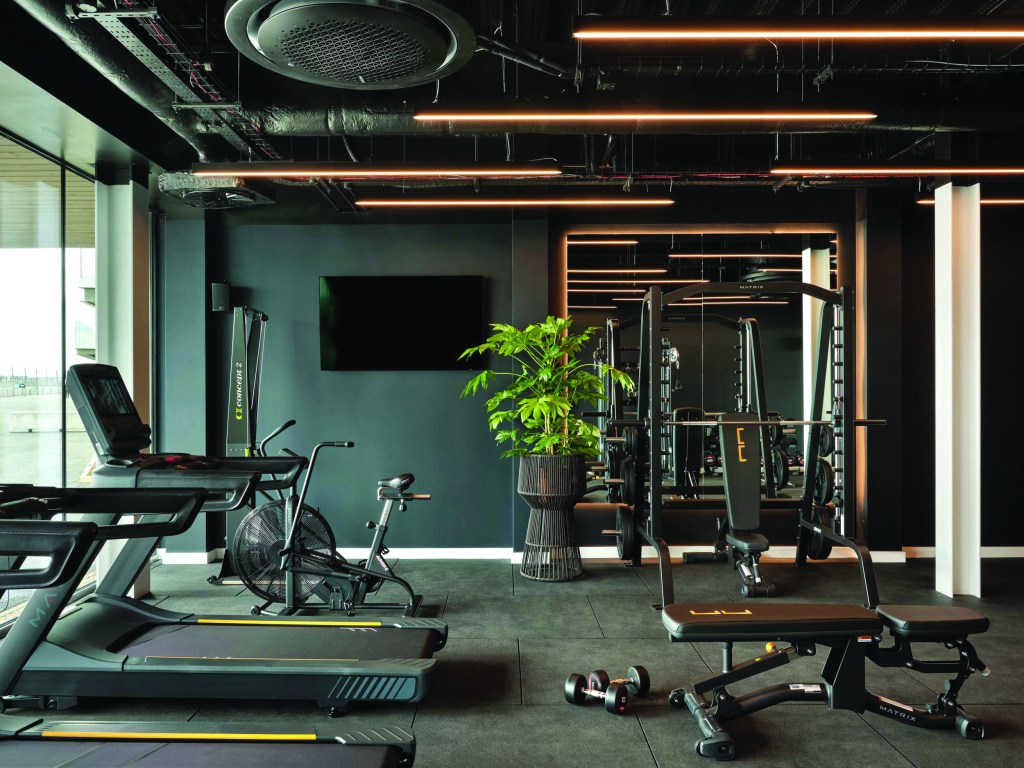
The Formula Health Centre at Escapade Silverstone features a 24/7 gym, swimming pool and sauna, offering guests a high-performance environment and personalised coaching.
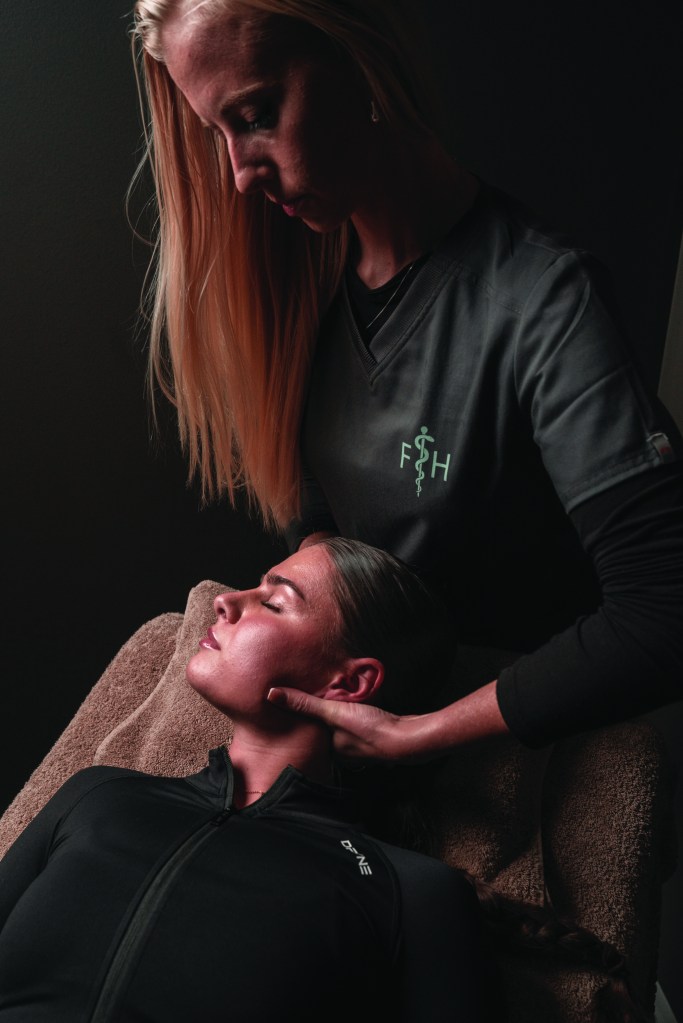
Facilities exceed those of standard hotels, with services such as reflexology, sports massage and care from professionals involved in F1, plus Gemma’s experience with elite athletes ensures cutting-edge care. The Formula Health team at Escapade Silverstone balances performance and relaxation, with a range of restorative treatments to promote quality sleep, nutrition and evidence-based wellness practices, supported by performance sports expertise.
Each guest receives tailored support, beginning with a remote or in-person consultation. The team includes Women’s Health specialists. For menopause and perimenopause there’s metabolic and hormonal support, stress management and HRT, as well as hormone tracking, CGMs and nutrigenetics kits. All of which makes Escapade Silverstone the ultimate base for the British Grand Prix, Moto GP, or any motorsport event. Look out for Formula Health Retreats in March 2026.
In the driving seat
Guests can experience Formula One go-karting or driving alongside actionable health insights. After a relaxing yoga session, we started the day with a run on the track, then it was time to add horsepower – Escapade Silverstone’s ultimate driving day lets guests take the wheel of supercars, including the McLaren 620R, Ferrari and Aston Martin Vantage, on the UK’s only active Formula One circuit. For true adrenaline-seekers, a single-seater option delivers a taste of the F1 driving experience.
Arriving at the pits, the scent of fuel heightened the sense of anticipation. Under the guidance of chief instructor Steve Deeks, whose career was shaped by mentorship from Jackie Stewart, we rolled with the programme.
First, we pulled on helmets, as the BMWs rolled in and, within minutes, our driver was hitting 150mph, though that was only a warm-up for the supercars capable of reaching 170–200mph!
The Porsche and the Ferrari tore through iconic corners such as Becketts and Chapel before we rotated back to the pit lane to sample the Aston Martin and then the McLaren. With its butterfly-style doors and moulded seats, the McLaren absorbed the full weight of the G-forces as it hurled around the circuit, delivering an unforgettable adrenaline rush.
On hand to coach were elite racers, including triple Le Mans 24-hour champion Danny Watts and Tauro Nakano whose careers span British and Japanese single-seater championships – a reminder that even the most elite racing journeys start young.
Overall, the entire experience was exhilarating and offered an insight into the world of F1.
Added bonus: Silverstone has just launched Kart Silverstone, a brand new FIA-licensed international circuit featuring 1,377m of track, designed with input from F1 legends including David Coulthard, offering access to all.
Treatments available to book at Escapade Silverstone. Room prices from £250. Visit escapade.silverstone.co.uk
Teen drives forward for the new Jamie Chadwick Series starting at Sandown
The race is on the same weekend the new Women’s F1 Academy series season revs up in Shanghai…
Bella Peters is looking forward to her second season in the Jamie Chadwick series that begins on 15 March at Sandown racecourse in Surrey.
This is Bella’s second season in the series, which gives young female drivers the chance to help realise their motorsport dreams. The 15-year-old is currently studying for her GCSEs and is a self-confessed ‘adrenaline junkie’.
She began racing with huskies at the age of four for Team GB and is a six-time British Champion at the sport with over 12 years’ experience.
Now she hopes to swap success on the woodland trails for joy on the racing tarmac.
Bella said: “I love the adrenaline and the thrill of the fast speeds. I loved watching Top Gear with my dad growing up and seeing all the cars.
“I wanted to do karting but it is so expensive, so I parked that idea and went to Air Cadets instead with ambitions to become a pilot as I thought I would still get the same adrenaline rush.
“But in 2024, I saved up all my money to have a taster session at Team Sport Race Academy and I really enjoyed it and that was the beginning of a new ‘expensive’ hobby.
“After beating all the boys, I applied – and got accepted for – the Jamie Chadwick Series.
“My first race was at Sandown last year and it was the best experience, especially as all of my family came down to support me.
“I came 10th and I knew right then this was where my passion was.
“The races kept coming, at Daytona Tamworth and Milton Keynes, and all my friends came to support me, along with my coach Jack Brewer.”
It was an incredible season and it gave Bella a lot of experience that she hopes to use this year.
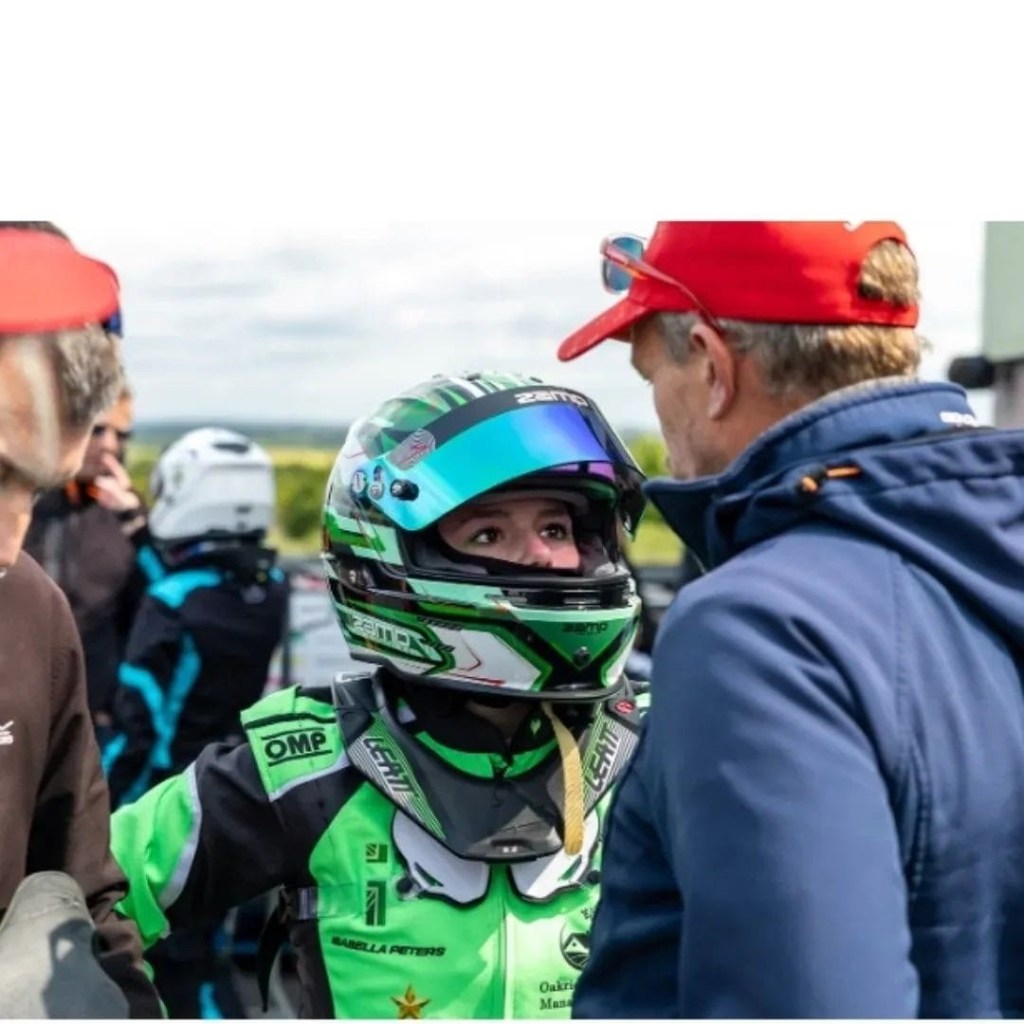
Bella will be combining racing in 2026 with doing her GCSE’s and is planning on going on to Loughborough College to study motor vehicle mechanics, so she can learn how to fix cars.
But racing is never far from her thoughts.
She said: “I am looking forward to the start of the season.
“It’s been a good few months since I’ve been in a go-kart but it helps me manage my emotions.
“With my exams coming up it’s a pretty stressful time and losing my grandma Judy to cancer recently has been devastating.
“But as soon as I put my helmet on and get into the kart, all of that stress disappears.”
As well as the Jamie Chadwick Series, Bella is also joining Club 100 – an exclusive race which is televised – and she feels the future for her is bright.
She said: “I’m really grateful for this opportunity and I can definitely see myself doing this in the future.”
Bella’s dream is to get to F1 but she knows the road ahead is not easy for women, despite Susie Woolf being keen to find the next female F1 driver.
She is hopefully optimistic but pragmatic, saying: “I’d love to race in F1 but also like to explore other opportunities such as 24 hours of Nürburgring, for Porsche or rallying.
“As long as I am in a car, I am happy.”
“I would also say that my racing style has clean lines smart but sometimes risky overtakes and that’s where I get a real thrill and maintaining momentum through corners too.”
Follow Bella @BellaPetersRacing on Instagram