
Menopause anxiety is very real. These simple strategies could help you understand what’s happening and feel more in control
What actually happens to a woman during menopause? Not just to your body, but perhaps more importantly, to your mind and how you feel in yourself.
As your hormones begin to shift during perimenopause, your mood can shift too. Research from Cardiff University found that more than 50% of women going through menopause experience neuropsychiatric symptoms and conditions, including depression and insomnia, while a study published in the General Hospital Psychiatry found that 1 in 3 women experience symptoms of anxiety, depression or insomnia when menopausal.
And while hot flushes, night sweats and changes to your periods may be among the better-known symptoms, the psychological effects can sometimes come as more of a surprise.
The body you once knew can suddenly feel like it’s speaking double-dutch. Your head may feel foggy, your thoughts more scattered, and your emotions more sensitive than before. Anxiety can become more noticeable too, even if you’ve never previously considered yourself an anxious person.
There are biological reasons why this can happen. Oestrogen receptors are found throughout the brain, including areas involved in mood, memory, sleep and emotional regulation, while fluctuating hormones during perimenopause can interact with neurotransmitter systems involved in regulating mood. Add disrupted sleep, work, family life and everyday stress into the mix, and it’s unsurprising that you might feel more overwhelmed than usual.
So, what can you do when those feelings start to creep in?
We asked one of London and the UK’s top Life and Manifestation Coaches, Adam Tallamy , for the advice he typically shares with women experiencing increased anxiety during menopause and the simple strategies that may help you feel more in control.
1. Understand what’s happening to you
First, it can help to understand that menopause isn’t simply a physical transition. Hormonal fluctuations during perimenopause can affect how you feel emotionally too, although symptoms and their severity vary considerably from each individual.
“Anxiety is one common symptom that many women experience during menopause, which, when you read up on it and start to understand the science, all starts to make sense,” says Tallamy. “Once you understand the biology behind the anxiety, anger or emotional volatility, you can stop being so hard on yourself. Reminding yourself that this can be a temporary symptom of menopause can also help.”
Recognising that there may be a physiological reason behind a sudden change in how you feel can make those feelings less frightening, but it doesn’t necessarily mean that you should automatically dismiss every emotion as ‘just hormones’.
Instead, get curious about what you’re experiencing. Has your anxiety suddenly increased? Is it worse after a poor night’s sleep? Do certain situations, foods or people seem to trigger it?
Try this: Keep a diary or journal for a few weeks, recording your mood alongside your sleep, stress levels, exercise and anything else that feels relevant. You don’t need to write an essay. A few sentences may be enough to spot patterns and identify the things that make you feel better – or worse.

2. Protect your sleep
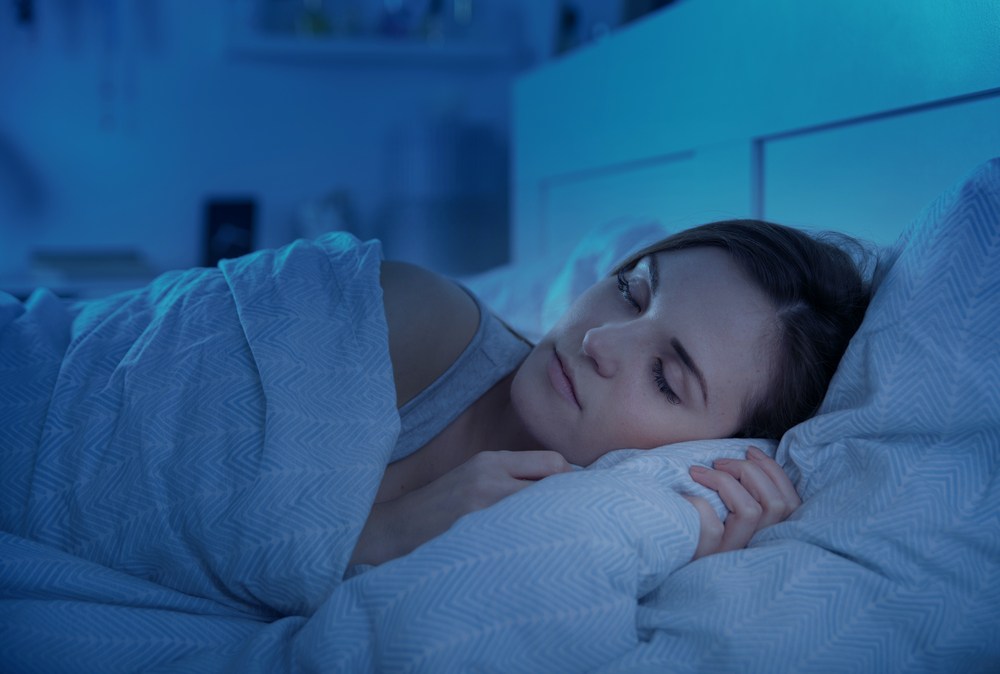
Sleep and anxiety can be difficult bedfellows during menopause.
Sleep disturbance is common during the menopausal transition, and a bad night doesn’t only leave you tired the following morning. Poor sleep can affect concentration, mood and emotional regulation, while making anxiety and irritability feel much harder to manage.
Unfortunately, that can create a vicious circle: you’re anxious, so you struggle to sleep, and then being exhausted makes everything feel more overwhelming the following day. That’s why protecting your sleep is key.
“Two practical tools I would recommend to help get quality rest is to journal on how you’re feeling before you go to bed including listing any actions you need to take. Getting it all out on paper has been shown to reduce anxiety in scientific studies,” says Tallamy.
Think of it as downloading some of the mental clutter that’s keeping your brain busy. Writing down worries, thoughts or tomorrow’s to-do list before getting into bed may help stop you from mentally rehearsing them when you’re trying to sleep.
Still tossing and turning? Meditation and mindfulness techniques may also help to reduce stress and quieten a busy mind.
“I recommend my clients close their eyes and actively feel into any thoughts circulating through their mind,” adds Tallamy. “Feel angry or frustrated? Great, feel that. Do this for long enough, and you’ll find those emotions will start to dissipate – and your nervous system should start to relax.”
Try this: Start with the basics. Avoid caffeine after 3 pm and create a regular wind-down routine that doesn’t involve any screens. Reading, meditation, breathing exercises or journalling can help you switch off.
3. Look at your boundaries
Here’s where menopause can become about more than hormones.
Midlife can already bring a substantial mental load, from careers and finances to children, ageing parents and relationships. Add hormonal changes and disrupted sleep, and you may find stresses or frustrations you once managed become much harder to tolerate.
Rather than immediately suppressing those feelings, it can be worth considering what they’re telling you.
“Is it time to make some changes or reset boundaries?” asks Tallamy. “Maybe the menopause isn’t making you angry for no reason. Maybe it’s making it harder to keep swallowing the things you were already angry about, and it’s time to reset and make peace during this transition period. That said, don’t make any quick major life-decisions in the middle of a hot flush,” adds Tallamy. “Consider things, talk to people and find the right path for you in a measured way.”
Try this: Don’t be afraid to seek support. Counselling, therapy or appropriate coaching can provide a safe space to explore what’s coming up, while persistent or severe anxiety should always be discussed with your GP or another healthcare professional.