
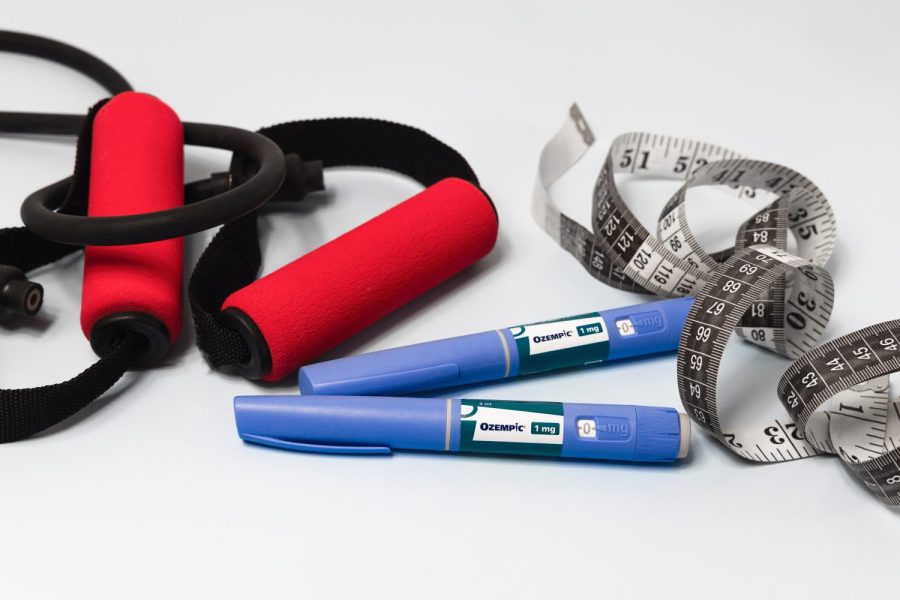
As more women use GLP-1 medications like Wegovy and Mounjaro, trainers say the focus is shifting from calorie burning to strength, muscle preservation and long-term health
With the use of GLP-1 weight-loss medications like Wegovy and Mounjaro skyrocketing across the world, dieting has taken on a whole new meaning.
And whilst many women rely solely on the medication to facilitate weight loss, it is highly recommended by doctors to compliment it with regular exercise to not only speed up the process but also to maintain a healthy lifestyle.
As anyone on the drug or who has lost a lot of weight quickly will know, you can sometimes be left with pockets of fat and flabby skin. As well as being unsightly, the excess hang of skin can be uncomfortable too as it flaps around the body.
Add in the health benefits of exercising – from helping boost endorphins to giving you energy (GLP-1s suppress appetite and can cause fatigue), and it’s no surprise that weight loss injections together with exercise are a recipe for success!
Over the past year, personal trainer Emma Gordon, an ambassador for the sports nutrition brand www.bio-synergy.uk has witnessed a new type of client coming to the UK-based gyms she works at.
“Many women are arriving at sessions having already lost a significant amount of weight. In the past, the first goal was often simply to get the scales moving. Now, many are asking different questions. They want to feel stronger, improve their shape, tighten up areas that concern them and build confidence in their bodies,” she explained.
“One of the biggest challenges after substantial weight loss can be muscle loss. If weight comes off quickly without enough protein or resistance training, the body can lose muscle as well as fat. That’s why strength training has become such an important part of the conversation.”
In fact, because 20% to 50% of the weight lost on GLP-1s can be lean muscle mass, gyms are focusing more on resistance and weight training in a bid to support those people wanting to build muscle and support metabolism while they lose weight.
Women’s online coach and personal trainer Federica Gianni, who works with clients in various London gyms, has witnessed a positive shift in how gyms are doing this.
“We’re seeing a growing demand for strength-based training spaces, small group personal training, body composition assessments, and access to health and wellness coaches who can provide support beyond exercise alone. Many facilities are investing more heavily in education around nutrition, recovery, and sustainable habit-building, recognising that clients need a more holistic approach.
“I have also noticed an increased demand for coaching that focuses on ‘toning’, although I often explain to clients that what they are really seeking is muscle preservation and development alongside fat loss. This requires a different training strategy than traditional calorie-burning workouts. Resistance training, progressive overload, adequate protein intake, and recovery have become central pillars of successful programmes.”
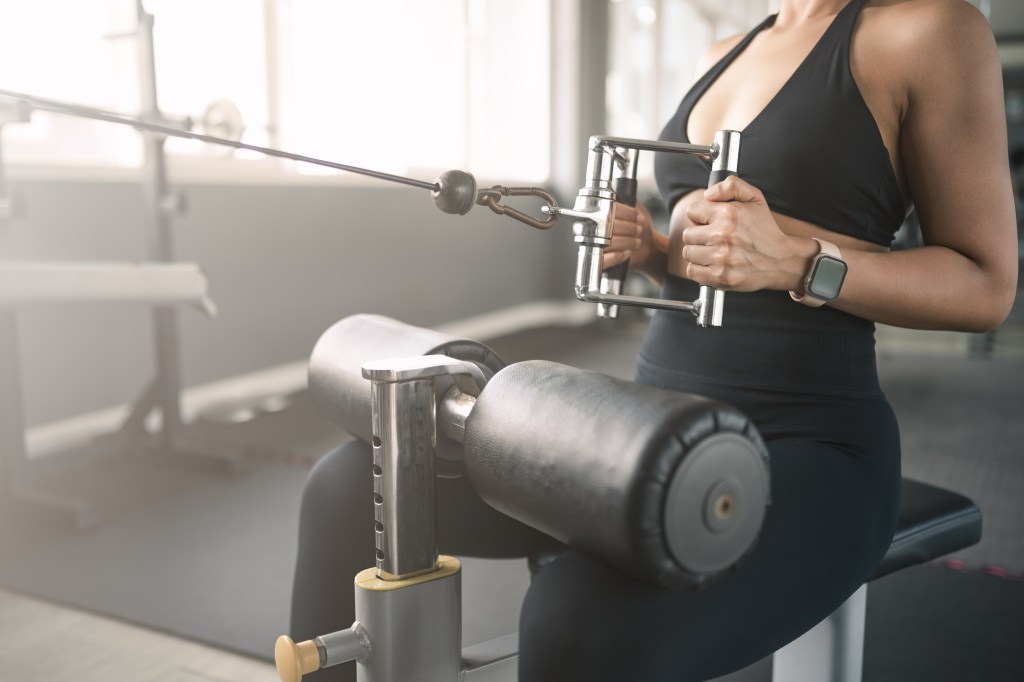
The good news is that, despite the early criticism given to the weight loss drugs, it seems that the industry is moving in a positive direction. Women I know who are taking the medication seem to be sensible about their weight loss and know the importance, especially as we age, of building strong, resilient bodies.
The rise of strength training
This point is echoed by Dr Nadia Ahmad, Founder and Medical Director of The Weight Care Clinic, a doctor-led practice specialising in medical weight management, metabolic health and wellbeing.
“I work with many patients using GLP-1 medications and regularly advise on exercise strategies to preserve muscle mass and support long-term health during weight loss,” she explained.
“The biggest shift I am seeing among women using GLP-1 medications such as Wegovy and Mounjaro is a move away from exercising purely to burn calories and towards training for body composition, strength and overall wellbeing.
“Historically, many women associated weight loss with long sessions of cardio. However, GLP-1 medications often reduce appetite significantly, which means there is an increased risk of losing muscle alongside fat if exercise and nutrition are not approached correctly. As a result, strength training has become far more important.”
According to Dr Ahmad, many of her patients are now prioritising resistance training, pilates, functional fitness and weight-based exercises to help maintain lean muscle mass, support metabolism and create a toned, strong physique as they lose weight.
As a personal trainer, nutritionist and health coach at the pharmaceutical healthcare company www.numan.com, Jamie Broadbent has seen a huge shift in the mind-set of his clients who are taking the weight-loss medication.
“A year ago, most women came to me wanting to lose weight – that was the starting point for almost every goal-setting session. Now, with more clients on GLP-1 based medications like Wegovy, the weight loss is already happening. What they want from me has moved on.
“The big change is that clients are coming in asking about muscle and bone health. They’re seeing the number on the scales drop, but they’re worried about losing definition, losing strength, looking ‘soft’. That’s a really different problem to solve – and honestly, a more interesting one.
“We’re having conversations about resistance training, about protein, about what it actually means to feel strong, that we just weren’t having before. The gym floor reflects this too. Women who might previously have defaulted to cardio are asking me to teach them to lift weights. Not for weight loss, but because they want to look toned and feel capable in their body for as long as possible. There’s a real shift in the ‘why’ behind their goals.”
Tracking progress once a fitness routine has started is important so you can see how far you have come. According to personal trainer Alex Folacci, a former two-time French national decathlon champion and international medallist, the task is in fact one of the biggest changes he has noticed.
“Instead of focusing mainly on scale weight or calorie burn, women are paying more attention to strength levels, measurements, progress photos, and how clothes fit. Weight can drop quickly on these medications, but without strength tracking, it’s easy to miss muscle loss. Recovery and nutrition are also treated more seriously as part of the plan.
“More frequent lighter weeks are common, and protein is often spread across smaller meals because appetite can be reduced. The overall aim has become clearer: stay strong, keep muscle, and support a healthy body composition while the weight comes down, rather than just trying to get lighter as fast as possible.”
Finally, when it comes to how to tighten up lose skin, it is the one question Aaron McCulloch, PT and Director of YOUR Personal Training: www.yourpersonaltraininguk.co.uk says he gets asked all the time.
“When weight comes off fast, skin that’s been stretched for years doesn’t always bounce back, and people notice. And then the internet sells them “toning exercises to tighten the skin.” Sorry, but no exercise on earth tightens skin. A workout can’t shrink skin that’s lost its elasticity, and a thousand arm circles won’t change that.
“What lifting can do is build the muscle underneath. Fill out the space where the fat used to be and the area genuinely looks and feels firmer, even if it’s still a bit soft on top. So I’d never promise to “tighten skin.” I’d promise to build something strong underneath it, and that tends to deliver a lot more than whatever’s trending on Instagram that week,” he explained.
“If there’s one change I’m genuinely chuffed about, it’s that women are finally seeing exercise as something bigger than the number on the scales. We’re seeing more coaches getting asked about strength, mobility, bone health, staying independent and capable into old age, and those are exactly the right questions.
“Rapid weight loss can hit your bones as well as your muscle, which is another reason weight-bearing and resistance work matters here. But the real win is the mind-set. When someone trains to be strong for the next thirty years rather than to undo Saturday night, the whole relationship with the gym gets healthier.”