


From eggs and oily fish to berries and leafy greens, these everyday foods provide the protein, vitamins and antioxidants your skin needs to support healthy collagen and a radiant complexion
When it comes to healthy, glowing skin, what you put on your plate can be just as important as what you put on your face. While a good skincare routine certainly helps, nourishing your body with the right nutrients provides the building blocks your skin needs to repair, protect and stay resilient as you age.
One of the biggest players is collagen – the body’s most abundant protein, which helps give skin its strength, structure and elasticity. This wonder protein also supports our bones, muscles, tendons, ligaments, blood vessels and other connective tissues. However, research from Johns Hopkins University, shows that from your mid-20s, your body’s natural collagen production begins to decline by around one per cent each year. It doesn’t sound like much, but it adds up over time, contributing to fine lines, wrinkles and a loss of firmness.
The good news? While you can’t stop this natural process, eating plenty of protein-rich foods alongside vitamin-rich fruits and vegetables provides the amino acids and nutrients your body needs to produce collagen and support healthy, glowing skin from the inside out.
Here are 10 foods worth adding to your shopping basket.
1. Eggs
Eggs are an excellent source of high-quality protein and provide amino acids including glycine and proline, which your body uses to produce collagen. They also contain nutrients such as biotin and selenium that help support healthy skin. Where possible, choose free-range organic eggs, which can provide higher levels of omega-3 fatty acids that can help support skin hydration and reduce inflammation.
2. Oranges and other citrus fruits
Oranges, lemons, limes and grapefruits are packed with vitamin C – one of the most important nutrients for collagen production. Vitamin C plays a key role in helping your body make and maintain collagen, while also protecting skin cells from oxidative stress, which can accelerate skin ageing and contribute to collagen breakdown.
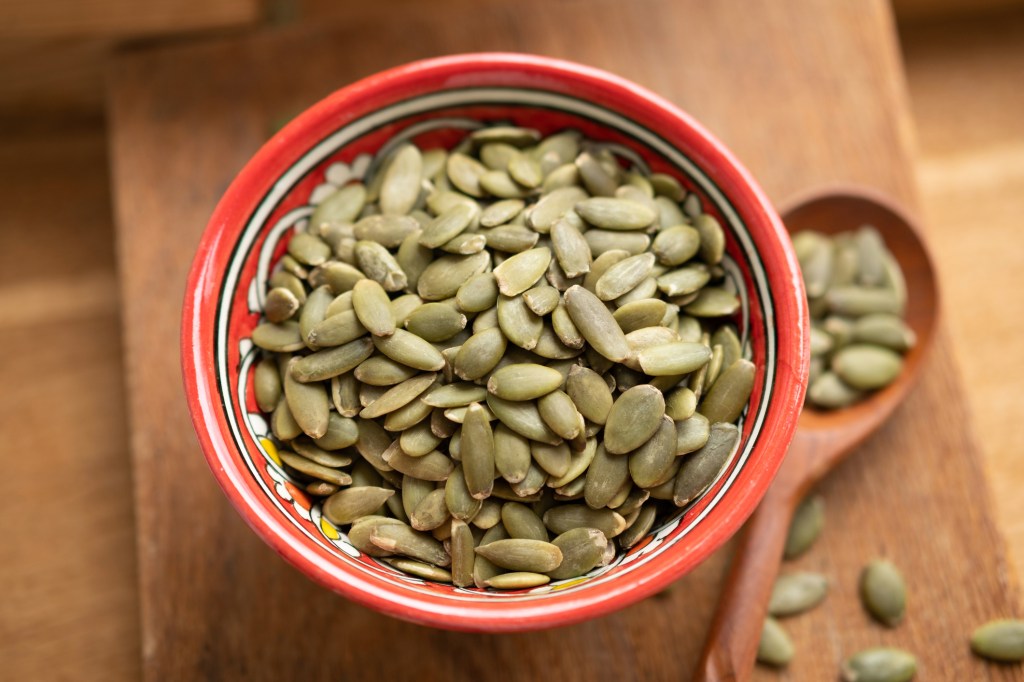
3. Pumpkin seeds
Don’t underestimate these tiny seeds. Pumpkin seeds are rich in zinc and copper, two minerals that play important roles in collagen formation and skin repair. They’re also a good source of vitamin E and healthy fats, which help protect the skin barrier and support overall skin health.
4. Berries
Strawberries, blueberries, raspberries and blackberries are rich in vitamin C, giving your body another boost of collagen-supporting nutrients. They’re also packed with anthocyanins – powerful antioxidants that help protect the skin from free-radical damage caused by UV exposure and pollution, both of which can accelerate skin ageing.
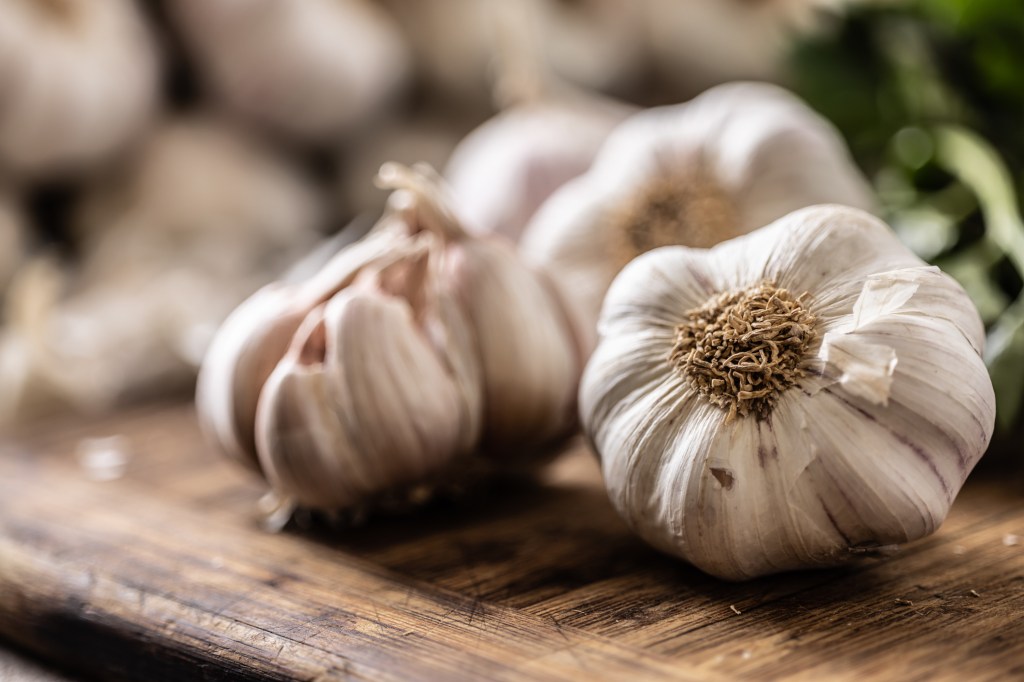
5. Garlic
Garlic may not be the first food that springs to mind for healthy skin. Still, it’s packed with sulphur compounds that support collagen production, along with antioxidants that help protect existing collagen from breaking down. It also contains allicin, a beneficial compound released when garlic is crushed or chopped, which has antioxidant and anti-inflammatory properties that may help support overall skin health.
6. Oily fish
Wild salmon, trout, sardines and mackerel are rich in omega-3 fatty acids, which help strengthen the skin’s natural barrier, support hydration and protect the collagen structure beneath the skin.
Fish also contains naturally occurring marine collagen, which is made up predominantly of type I collagen – the main type found in the skin. While much of the research on marine collagen has focused on supplements rather than whole fish, oily fish provides a combination of high-quality protein, healthy fats and skin-supporting nutrients that help your body maintain healthy collagen levels and support the strength and elasticity of your skin, bones, tendons and other connective tissues.
7. Leafy greens
It seems Popeye was right about spinach all along. Spinach, kale and other dark leafy greens are packed with chlorophyll, which some research suggests may help support collagen production. They’re also rich in beta-carotene, which your body converts into vitamin A – an essential nutrient for skin repair, renewal and maintaining healthy skin. Alongside vitamins C and K, leafy greens provide a powerful combination of nutrients that help support a healthy, glowing complexion.
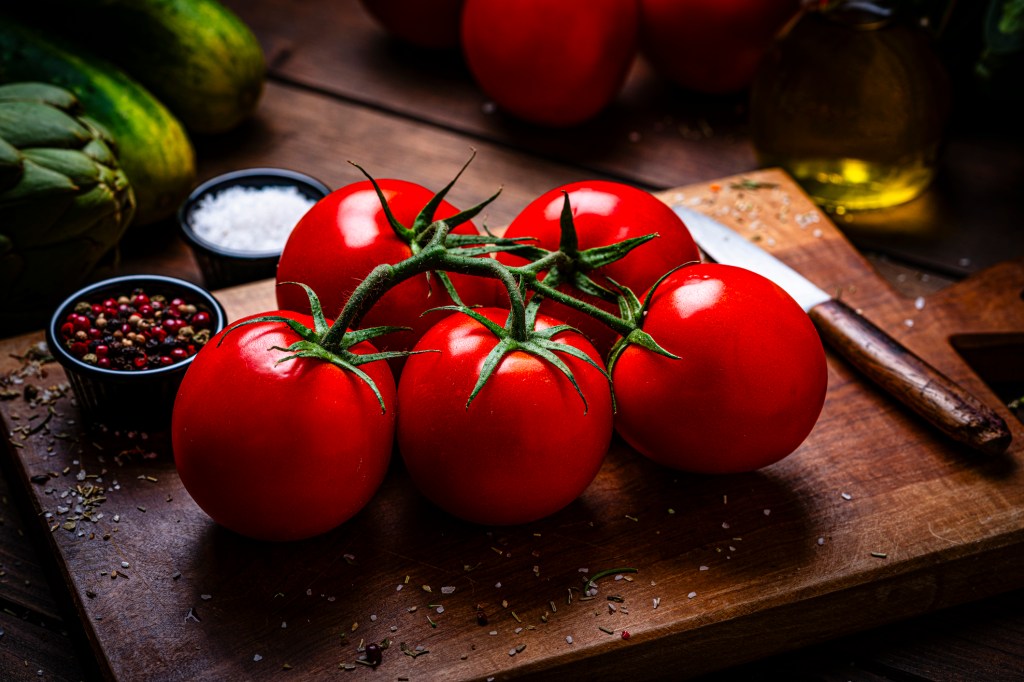
8. Tomatoes
Tomatoes are another excellent source of vitamin C, with one medium tomato providing a useful boost of this collagen-supporting nutrient. They’re also rich in lycopene – a powerful antioxidant that helps protect the skin from damage caused by UV exposure and environmental stressors. Better still, lycopene becomes even more available to your body when tomatoes are cooked, making tomato sauces, grilled tomatoes and homemade soups just as beneficial as fresh tomatoes.
9. Avocados
Avocados contain vitamin C and copper, two essential nutrients your body uses to synthesise and maintain collagen. This superfruit (yes, fruit!) also contains healthy fats and plant compounds called sterolins, also known as phytosterols, which are thought to help support skin hydration and elasticity. Some research on avocado oil suggests these compounds may also help support collagen production when applied topically.

10. Green tea
No, green tea doesn’t contain collagen, but it may help protect the collagen you already have thanks to its high concentration of polyphenols, including flavonoids and catechins such as epigallocatechin gallate (EGCG). These powerful antioxidants help neutralise harmful free radicals that can damage collagen and contribute to wrinkles and other visible signs of skin ageing. Green tea also contains small amounts of vitamin B2, which plays a role in maintaining healthy skin.
And foods to avoid?
While these foods can help support healthy collagen production, it’s also worth being mindful of the foods and habits that may work against it.
“Regularly eating heavily charred or deep-fried foods can increase the production of compounds known as advanced glycation end products (AGEs), which are associated with the breakdown of collagen and elastin over time,” says aesthetic medicine doctor, Alexandra Mills .
Fried and highly processed foods are also high in oxidised fats that generate free radicals, which can damage cells and contribute to premature skin ageing. Choosing gentler cooking methods, such as steaming, poaching or baking, can help limit the formation of AGEs.
“Excessive alcohol may also impair your body’s natural repair processes and disrupt collagen production. Likewise, a diet high in added sugars can contribute to glycation – a chemical reaction in which sugars, particularly glucose, bind to proteins in the skin, including collagen and elastin,” adds Mills. “This weakens collagen fibres and may accelerate visible signs of skin ageing, including wrinkles, sagging and loss of firmness.”