

What are skin boosters and how do they work?
When the sun is shining and that summer glow is still going strong, there’s no doubt about it, you look good. Aside from a decent SPF and some vitamin C, your skin generally doesn’t need much else.
The problem comes when September hits – and it has. The sunny mornings aren’t quite as sunny, life isn’t quite as relaxed and, if you’re anything like me, you may have taken your eye off your usual routine over the summer. Think more summer mocktails than water, more treats and less fruit and veg – and perhaps a slightly more relaxed approach to your skincare routine. Travelling, late nights and too much sun exposure can do that.
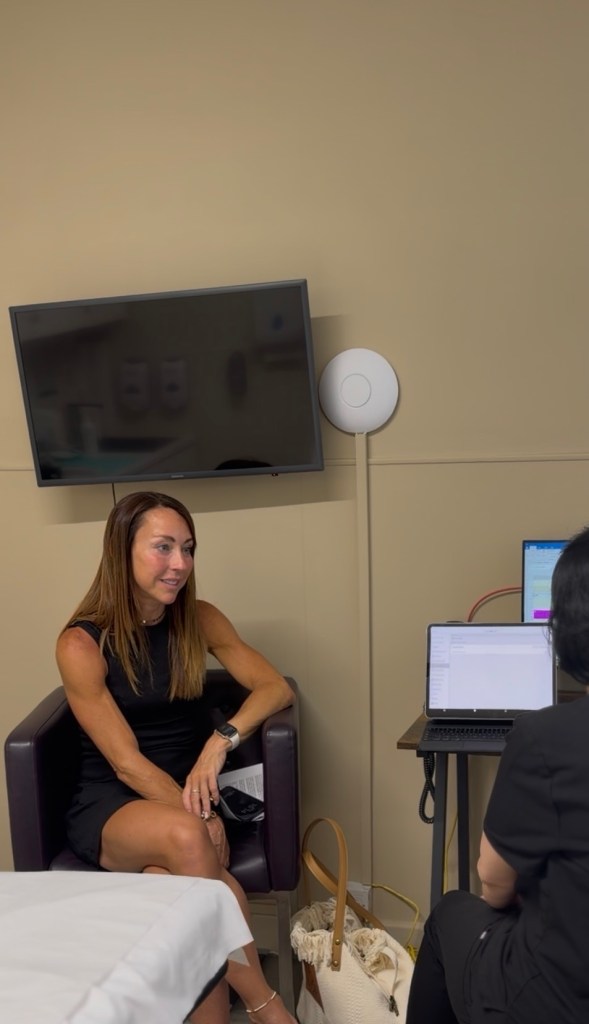
So, with September signalling a return to routine, I asked top facialist Alexandra Mills what she could do to get my skin looking fresh again without me having to spend unnecessary time applying make-up every morning or embarking on a complicated 10-step skincare routine.
Her answer? A skin booster.
What is a skin booster?
Think of skin boosters as injectable moisturisers. You may already have heard of treatments such as Profhilo, but essentially, these injectable treatments are designed to improve the quality, hydration and overall appearance of the skin rather than dramatically change the shape of your face or add volume in the way traditional botox, dermal fillers – or even surgery can.
“They improve the quality of your skin by hydrating it and stretching the fibroblasts to work better and communicate better with each other,” explains Mills.
“In other words, it boosts the collagen and elastin that help improve skin health in a way few face creams can. And as they are injected, they are much more effective than topical skincare.”
Collagen and aging skin
Collagen and elastin are two proteins you’ll hear mentioned a lot when it comes to ageing skin, and for good reason. They are the building blocks of the skin, with collogen helping to give the skin its structure and firmness, while elastin helping it to stretch and spring back into place. Unfortunately, the production of both declines as we get older, which can contribute to skin becoming thinner, drier and less firm.
Many skin boosters also contain hyaluronic acid, which helps attract and retain water in the skin. This boost in hydration can help skin appear fuller, smoother and healthier-looking – hence better texture skin and that all-important glow.
The treatment Mills recommended was Revitalis, a skin booster containing two ingredients you may already recognise from your skincare products: hyaluronic acid and glycerol.
The aim? To improve the appearance and texture of the skin so I can achieve that glow again without the need for make-up or weekly facials. Who has time for that?
Do they hurt?
Now, if you’re anything like me, you probably read the word “injectable” and immediately have one question: does it hurt?
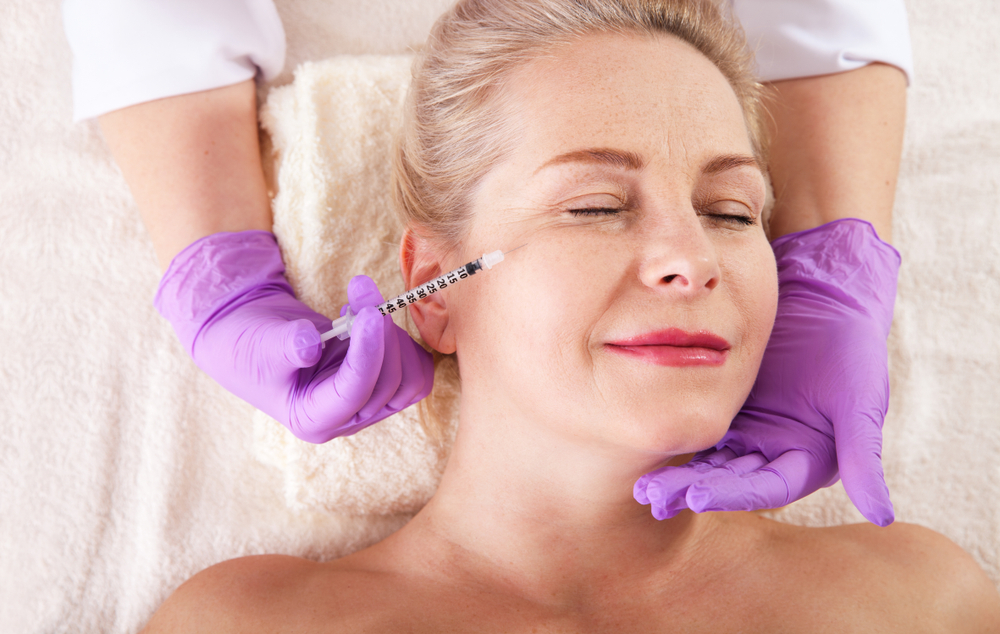
Well, unfortunately, yes, there are needles involved. But the good news is that I found it only a little bit stingy – and it was over in less than 10 minutes.
“Revitalis is administered through a series of small injections into the target area, placing the product directly into the skin,” explains Mills.
Mills says one of the big attractions is that there’s little to no downtime. Temporary redness, swelling or small bumps around the injection sites can occur immediately afterwards, but these should settle quickly.
For me, this was a big plus – and one that makes the treatment particularly appealing if you’re trying to squeeze appointments around work, workouts, school runs and everything else life throws at you.
Was it the most relaxing facial I’ve ever had? No. But I was able to get on with my day afterwards, which, in my book, is a win.
When does the glow kick in?
According to Mills, you can often see a boost in hydration and brightness after just one session, with skin becoming smoother and generally healthier-looking as the treatment takes effect.
It’s worth pointing out, however, that while you may notice a difference after one treatment, skin boosters aren’t necessarily a one-off procedure.
Mills recommends two to three sessions, typically spaced two to three weeks apart, followed by a single top-up treatment around every six months to help maintain the results.
And personally, I like the fact that the aim is subtle. I don’t want someone asking, “What have you had done?” I want them wondering why my skin looks so well rested when the reality of September mornings is anything but.
How long do the results last?
According to Mills, results can last for up to seven months, although this will vary depending on your individual skin, lifestyle and treatment protocol – which, in theory, is a pretty decent amount of time.
Of course, that doesn’t mean abandoning your skincare routine for seven months. SPF still remains non-negotiable, while good sleep, hydration, nutrition and a decent skincare routine all count, too.
Is a skin booster worth it?
That ultimately depends on what you’re looking for – and injectables are, of course, a personal choice.
If you want to dramatically alter your face or add volume, that’s not really what skin boosters are designed to do. Think more hydration, smoother-looking skin and a bit of that elusive glow – without people necessarily being able to put their finger on why you look so “well”.
For me, the minimal downtime is a big tick, as is the fact that Mills says you can start to see a boost in hydration and brightness after just one session.
And if that means I can look in the mirror at 7am, skip the concealer and gain an extra ten minutes to drink my coffee and plan my day, then for me, that’s worth the price of a few needles and a quick visit to the clinic.