

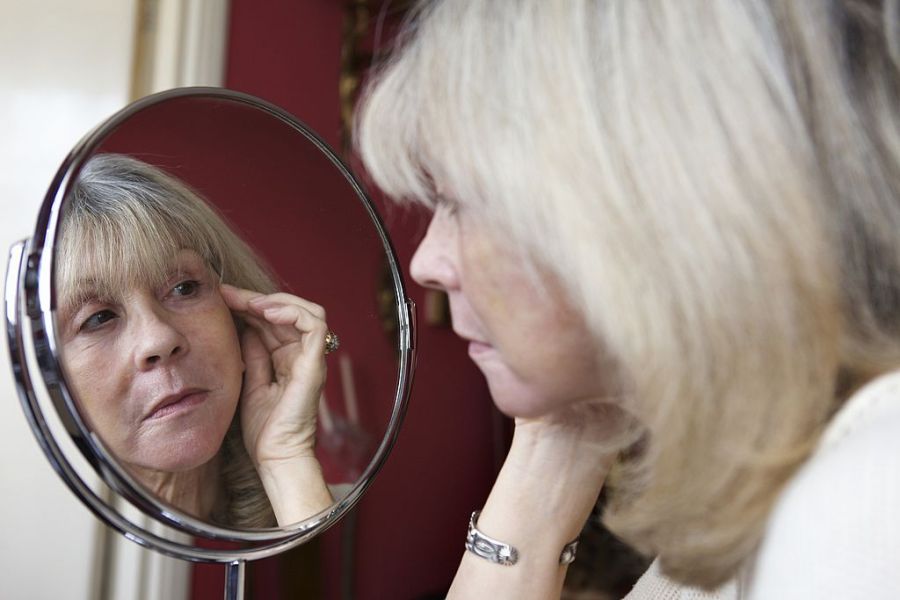
From skin elasticity and hydration to bone health, collagen plays an important role in the body. But can taking a supplement really make a difference in your fifties? Experts explain what you need to know
The collagen market is pretty saturated, with powders, gummies, beauty drinks and products showing up not just in gyms and supermarkets but health-food shops and, of course, on social media.
As with all Instagram and TikTok trends, whilst influencers may be raving about how certain collagen products have transformed their skin and body, it’s important not to always fall for the hype. Instead, knowing how collagen works and what you should look for in a product is key to making an informed choice. We asked medical experts for their advice.
When it comes to collagen products, as a beauty editor I’ve tried and tested a lot. Some have produced zero results, while others have done everything from clear up my mid-life acne to improve my skin hydration.
Whilst many people swear by taking collagen products, they are not a miracle cure for replacing lost collagen. That said, there is clinical evidence that collagen supplements may help, particularly when it comes to skin, so 50 can be a good age to start thinking about how you support your collagen levels.

Why collagen becomes more important in your 50s
“The interest in collagen around this age makes sense,” explained Dr Riaz Agha, a consultant plastic and reconstructive surgeon at Harley Clinics.
“Collagen gives skin much of its strength and structure, and falling oestrogen levels around menopause are associated with a fairly rapid loss of collagen. Women may notice their skin becoming thinner, drier or less firm.”
The way collagen supplements work, she explains, is that they are digested into amino acids and small peptides. They do not simply travel to the skin and replace the collagen that has been lost.
Although collagen starts to decline as we age, it doesn’t suddenly switch off when we reach 50. Instead, it is a natural process that slows down as we get older and can become particularly noticeable around menopause.
“Falling oestrogen can often accelerate changes in the skin, contributing to reduced firmness, elasticity and hydration,” explained Dr Arti Singh, Dental Surgeon and Advanced Aesthetic Expert.
“Collagen isn’t a miracle cure or a replacement for a healthy diet, adequate protein, resistance exercise, calcium and vitamin D. However, it can be a useful nutritional addition for women looking to support healthy ageing from the inside out once they notice these changes in their skin.”
Can collagen supplements help your bones?
While much of the conversation around collagen focuses on skin, it is also an important structural protein in the body and plays a role in our bones, joints, cartilage, tendons and ligaments.
“Collagen forms part of the protein framework of bone, so there is a reasonable scientific basis for studying it,” says Dr Agha.
“One placebo-controlled trial in postmenopausal women with reduced bone density reported improvements in bone mineral density after a year of taking a specific collagen peptide preparation.”
However, she points out that this does not show that collagen supplements prevent fractures or that every collagen product will have the same effect.
“Calcium and vitamin D where appropriate, weight-bearing and resistance exercise, and proper assessment where osteoporosis is a concern remain much more established parts of looking after bone health. Collagen should not replace prescribed osteoporosis treatment.”
Dr Singh also points to collagen’s importance when it comes to the body’s structure and movement.
“Collagen is an important structural component of our bones, joints, cartilage, tendons and ligaments, which is why supporting production becomes increasingly relevant at this stage of life,” she says.
What should you look for in a collagen product?
If you decide to try a collagen supplement, it can be difficult to know what to look for, particularly with so many different powders, drinks, tablets and gummies available.
According to Dr Agha:
“Look for hydrolysed collagen, sometimes described as collagen peptides, because this is the form used in many of the skin studies. The label should clearly state the source of the collagen and how much you are getting in the recommended daily serving.
“Independent testing for contaminants is also useful, although that tells you about the quality of the product rather than proving it will improve your skin. If a brand refers to clinical research, it is worth checking whether that research actually used the same formulation and dose.
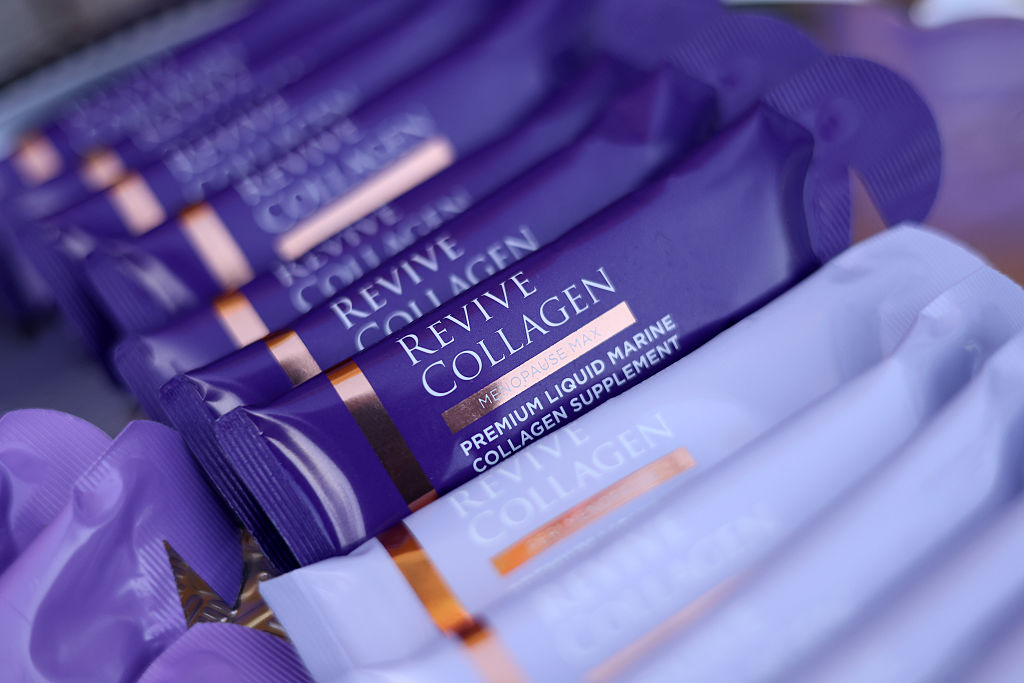
“I would not assume that marine collagen is automatically better than bovine collagen, or that a liquid works better than a powder.”
How long should you take collagen for?
If you do decide to give collagen supplements a try, don’t expect overnight results.
“Many skin studies look at daily use over roughly eight to twelve weeks. That is a research timeframe rather than a promise that somebody will see a difference by then,” adds Dr Agha.
“Even where a study finds a measurable improvement in hydration or elasticity, which does not necessarily mean somebody will notice a dramatic change when they look in the mirror. Any benefit may be quite subtle.”
This is particularly important given the marketing surrounding collagen products, with some promising everything from dramatically smoother skin to reversing the signs of ageing.
“I would be wary of products promising dramatic wrinkle reduction or claiming to reverse ageing, and I would not encourage somebody to keep paying indefinitely if they feel they are getting no worthwhile benefit.”
Think beyond collagen when it comes to healthy ageing
Ultimately, collagen should be viewed as just one potential part of a wider approach to looking after your skin and body as you move through your fifties.
“I think 50 is a really important age to start thinking less about ‘anti-ageing’ and more about supporting the health and strength of your skin and body for the decades ahead,” explained celebrity facialist Joanne Evans, founder of Skin Matters.
“With skin, my philosophy has always been to work with it rather than continually attacking it. Good nutrition, sensible supplementation, maintaining the skin barrier and stimulating the skin appropriately can all work together.
“Collagen supplements can of course potentially form part of that approach, but they should complement the foundations of good health, rather than replace them.”