

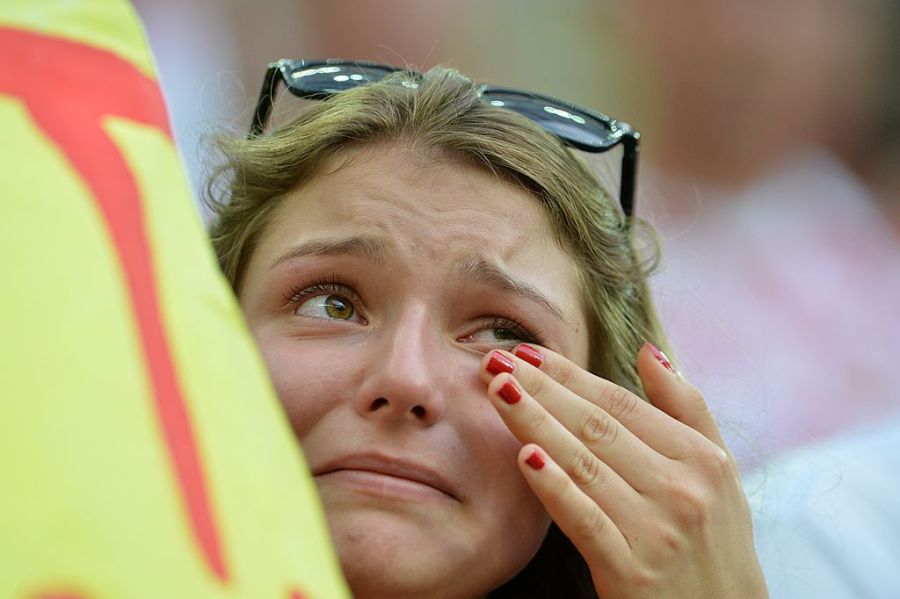
Losing isn’t just about the final score. Experts explain why some people take defeat in their stride while others struggle to let it go – and how to build emotional resilience
PICS: Getty Images
Living in a super sporty household, emotions have always run high amongst my three sons and husband when it comes to losing; be it in a football match or on the tennis court. Whilst I play padel three times a week and can walk away smiling whether I win or lose – I’m lucky I don’t get as emotionally charged as my family.
That could be because I play for fun and not competitively but it’s also part of my nature fortunately: the only time I ever get hot headed is when my kids have not unloaded the dishwasher or left their trainers all over the house. If I lose in padel, I don’t even think twice about it. However, for many people they can’t stop berating themselves about a loss in sport and there are several ways to deal with negative emotions.
In fact, having spoken to some medical experts, I’ve got the right toolkit to hand out next time my youngest son storms through the house having lost in his football match.
So, how does one accept defeat without letting it affect them?
“Losing graciously begins by separating your performance from your self-worth,” explained clinical psychologist Dr Max Doshay, co-founder of www.KMNPsych.com
“A loss is about what happened that day-not about your personal value. People who will continue to grow the most are those who ask, “What can I learn from this experience,” instead of “What’s wrong with me.” When you see losing in terms of getting better at something (feedback) and not because of an error or mistake (failure), you build a resilient mind-set for continued enjoyment of competition.”
As someone whose work focuses on helping individuals build emotional resilience, manage stress and performance pressure, and develop healthier ways of coping with setbacks, Dr Doshay is well versed to dealing with negative emotions.
“Anger can occur as a result of losing due to the loss of one’s expectation, how we identify ourselves with winning, and/or being able to control what happens in a situation. As such, for some individuals (especially those high on competitiveness and/or whose self-esteem is tied to their achievements), loss can be perceived as having lost oneself rather than simply a situational event.
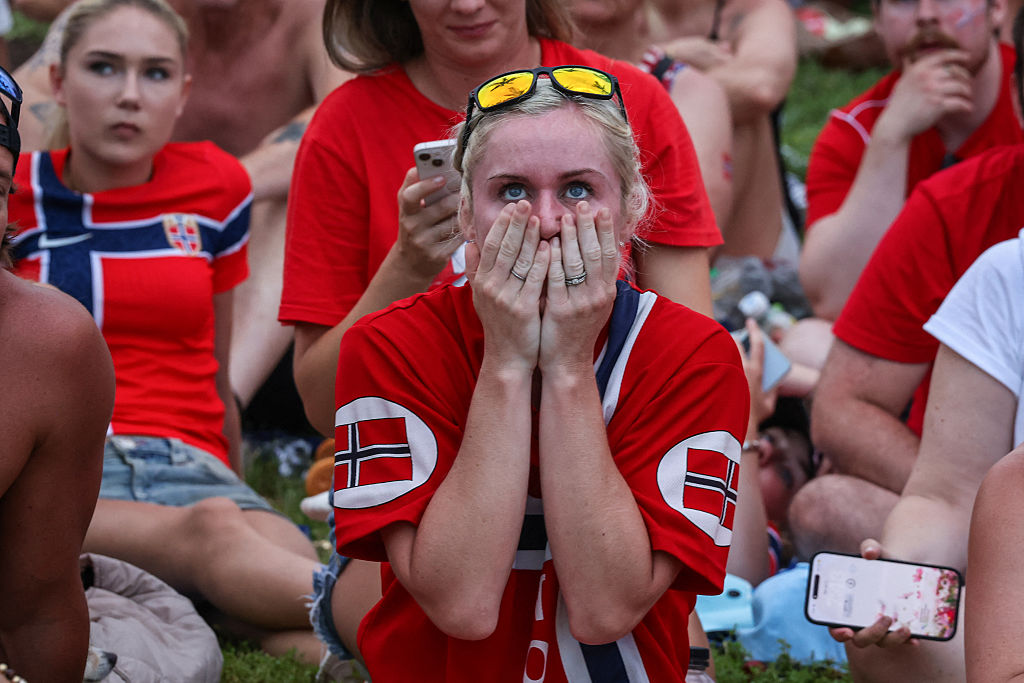
“Oftentimes anger serves as an emotional “umbrella” to mask other feelings such as disappointment, embarrassment, etc. Once you recognize these underlying feelings, you can then address them in a rational manner versus react from a position of impulsive behaviour.
“To find the best possible way to deal with this kind of frustration means recognizing your feelings of frustration, but do not allow those feelings to dictate how you go about things going forward. It’s okay to let yourself be upset, and when that happens, move on as quickly as possible by focusing on what can be controlled in terms of your hard work, preparation, and outlook.”
Losing gracefully
Understanding that winning is not who we are, it is something we achieve, is one positive step that psychologist Dr. Andrew Billups suggests you can take. The senior sport psychologists for Rutgers https://www.rutgers.edu/athletics says “when achievement becomes the identity, setbacks become much harder to handle.
“Losing gracefully is a skill all in itself as we live in a society where winning is “everything.” We live in an outcome-based world. From a young age, we are taught to measure success through external markers: the grade on an exam, the amount of money someone earns, the ranking they achieve in their sport, or the recognition they receive from others. The danger of this is how quickly winning and success can then become our identity.
“Losing gracefully starts with identity. A poor performance is no longer viewed as an isolated event; it feels like evidence that something is wrong with the person.
“So now we ask: what do I do? The goal is to create a foundation where you can chase excellence while still recognizing that your worth was never dependent on the outcome. We praise our progress and the steps taken. Recognizing the skills development along the way is also worth our praise.
“The saying of hind sight is 20/20 always comes to mind as these are always learning experiences. If we don’t take moments of “failure” as a time to reflect and learn we cause ourselves to not only lose the joy in growth but fall into a trap of stagnation.”
Seeing losing from a different viewpoint, therapist Laurie Wilson of https://rizecounseling.com/ believes it is something that many of us carry with from childhood.
“I think part of being “good at losing” is kind of innately in us, from what we learned from our parents growing up and also from what we learn as we’re playing sports,” she explained.
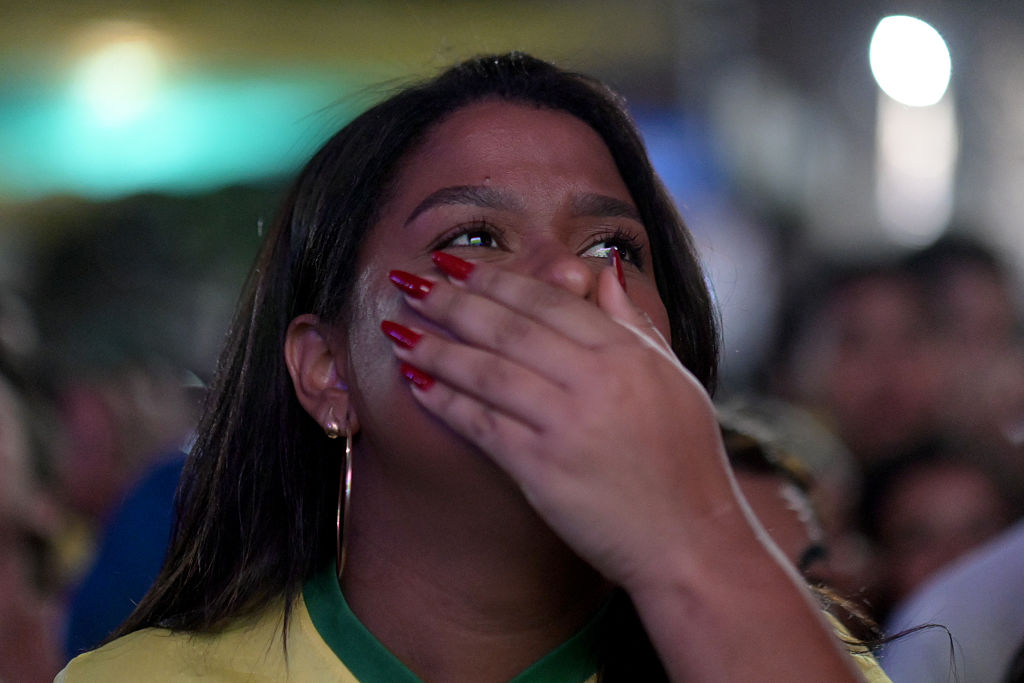
“Especially with things like the World Cup and Wimbledon, you might see different people react differently and also have the resources to potentially see a sports psychologist. I think that’s the hardest thing. If you innately have a specific emotion toward losing, where you’re not internalizing it and you externalize it more, I think it’s a good idea to reset and use cognitive behavioural therapy or different types of sports psychology to teach yourself how to handle it better from an emotional perspective.
“That can help you become more graceful at accepting losing, because then it gets you right back in the game. A lot of times, when you’re really preoccupied with those negative things, it’s hard to zone in and get yourself back into the game.”
Losing when you’re older
For older women, Julie Hingsbergen, founder and clinical director of www.ReframeCBT.com believes that losing can effect their emotions more.
“Losing can bring up a lot more than we expect. Often, what makes us upset is not the loss itself, but what we think it means about ourselves. We may feel embarrassed, frustrated, underestimated, or like we should have done better. For older women, I think losing can hit a little harder because there can already be pressure to feel capable and sharp. We don’t want to feel dismissed. So when we lose, it’s much more than the loss itself but what it represents.
“It’s okay to feel disappointed but it’s not helpful to be hard on ourselves. A loss is not a statement about who you are. The important thing is to let yourself feel disappointed without turning on yourself. A loss is not proof that you are less capable or less worthy. It’s a chance to practice flexibility, humility, humour, and resilience. We can lose and still be talented, strong, and completely awesome at the same time.”
Finally, by learning ways to endure disappointment, you can put those skills into everyday life habits. Sport teaches us to be emotionally resilient, humble, adaptable — skills that are very applicable in most areas of our lives (relationships, work, etc.) If we define ourselves by each outcome, we will always be vulnerable. However, if we can use each outcome as an opportunity for learning, then we create confidence that does not rely on being the winner.