

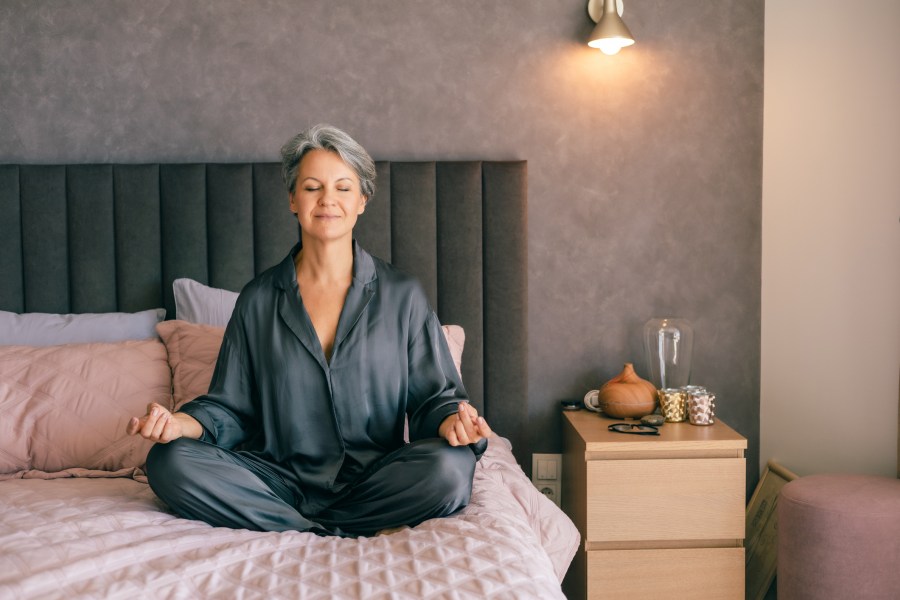
Menopause can disrupt sleep through night sweats, hormonal changes and anxiety. From adjusting your bedroom and bedtime routine to changing caffeine, alcohol and exercise habits, these simple strategies could help you sleep better
Pics: Getty Images
Menopause can start as early as early 40s and will impact every woman at some point in her life, with symptoms ranging from daytime fatigue to affecting sleep at night. With sleep often significantly affected during menopause, understanding how best to support rest is important.
How can menopause affect sleep?
In the lead-up to menopause (perimenopause), there are changes to several hormones in the female body and this can cause sleep disruption and night sweats. Progesterone plays a direct role in maintaining sleep while oestrogen helps to maintain a steady body temperature during the night.
There are changes to neurotransmitters, and chemicals in the brain that transmit messages, and these can directly and indirectly affect sleep. For example, disruption to serotonin and dopamine levels not only affects the brain circuits involved in sleep but also leads to mood changes and heightened anxiety which can negatively impact sleep.
Other sleep disorders besides insomnia are also more common at this time, such as restless leg disorder and the sleep-related breathing, sleep apnoea.
Naturalmat’s resident sleep expert Christabel Majendie reveal sa selection of eye-opening insights and actionable strategies to aid a more restful night’s sleep.
She’s a dedicated sleep therapist who offers guidance and treatments for various sleep issues. With a deep passion for educating others on the best practices for achieving restorative sleep, she actively promotes the crucial role that sleep plays in maintaining overall health and wellbeing.
‘The good news is there is a lot women can do, outside of medication, to improve their sleep during this time but there is unlikely to be one solution. First, consider your sleep hygiene and make changes to your activity levels, diet, alcohol and caffeine consumption.’

14 sleep steps you can take
- Cut out caffeine eight hours before bedtime
- Reduce alcohol consumption
- Stop smoking
- Avoid hefty meals before sleep
- Put screens away an hour before bedtime
- Exercise more
- Get out in the natural day light
- Relax in the hour before going to bed
- Consider your sleep environment
- Is your bedroom conducive to sleep?
- Is your mattress comfortable, do you have the right type and number of pillows?
- Choose bedding made from natural fibres as they are much more effective at regulating body temperatures
- Wear less in bed, reduce the thickness of your duvet and blankets
- Keep your bedroom as a place for sleep, not a place for work or nesting
What myths are there surrounding sleep and menopause?
‘Debunking myths relating to menopause and sleep is essential. For example, these are a few I regularly come across (but there are plenty more):
‘Waking in the night means I don’t get good quality sleep’
Sleep does change with age but that doesn’t mean it is a problem. If you wake once or twice briefly in the night and can get back to sleep easily, don’t be concerned about this, it’s likely to be in between a sleep cycle.
‘I have to put up with poor sleep because of the menopause’
There are so many things you can do to improve your sleep, but there’s unlikely to be a silver bullet that solves it. Take a holistic approach: assess your sleep environment, your behaviours and lifestyle, your biology and psychology.
What can we do at home to improve sleep?
‘Take a look at what you’re sleeping on,’ says Christabel. ‘Duvets, pillows, blankets and mattresses made from natural fibres are much better at regulating body temperature and reducing night sweats. This is because they can absorb more heat and moisture than synthetics, drawing both away from the body, thereby keeping you cool and less sweaty.
‘Organic wool is a superior natural material and sourced from local farms meaning you’re choosing a material that’s naturally breathable and temperature regulating. Although it can’t stop hot flushes, its breathable qualities can help dissipate heat, allowing for better management of symptoms as well as helping to prevent disrupted sleep throughout the night.
‘Equally, in cool temperatures, natural fibres are better at keeping you warm as they hold more pockets of air than synthetics and these insulate the body against heat loss.’
What are some top tips for improving sleep when going through menopause?
‘Lifestyle changes can make a real difference. Exercise not only helps to regulate mood but can improve sleep quality, healthy nutrition is associated with better sleep quality, stress reduction and relaxation can help with anxiety and get you in a good state of mind for sleep. Minimising alcohol and caffeine can also help,’ says Christabel.