
From the rise of strength training alongside Pilates to a backlash against punishing workouts, fitness expert Carlotta Gagna predicts the trends set to shape women’s fitness in 2027
Pics: Getty Images
The fitness landscape is changing fast, and 2027 could be the year women move away from one-size-fits-all workouts towards more personalised, flexible approaches.
Carlotta Gagna, founder of Traininpink predicts that the next 12 months will see Pilates and strength training increasingly combined, AI taking a quieter role in fitness apps and midlife women finally becoming a bigger focus for the industry. She also expects growing interest in lymphatic health, cycle-aware training and slower, more controlled forms of exercise.
Here are her six predictions for fitness trends for 2027.
1. Pilates and strength training will become the ultimate fitness pairing
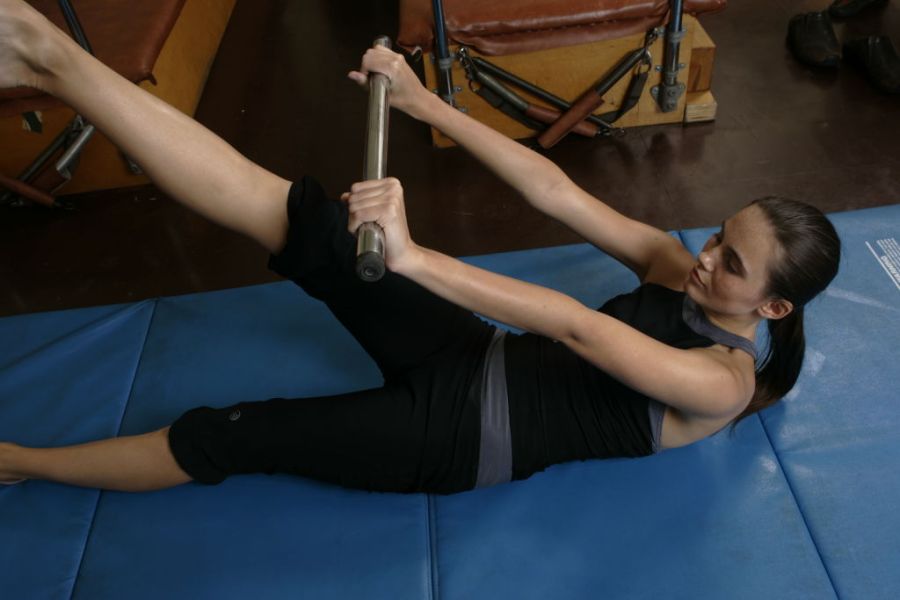
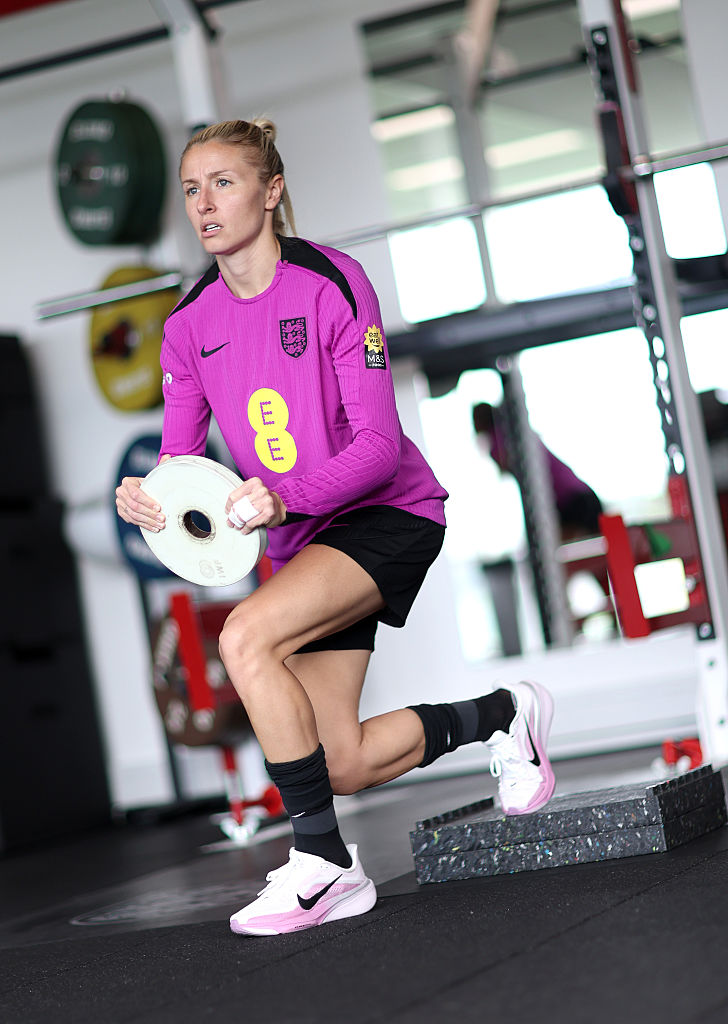
The era of sticking to a single type of exercise could be coming to an end, with Pilates and strength training increasingly being combined.
Gagna says demand for hybrid workouts is already growing, pointing to a recent Traininpink community poll in which 43% of respondents said they wanted at least one strength session alongside their Pilates.
She also believes the rise of GLP-1 weight-loss medications will accelerate interest in maintaining muscle while losing weight.
“Women don’t want to trade the dynamic, drainage-led movement they love for a bodybuilding routine,” she says. “They want both, at home, in one session.”
Gagna predicts that multidisciplinary training will become one of the defining fitness trends of 2027, with women looking for workouts that combine strength, mobility and Pilates rather than forcing them to choose between disciplines.
2. AI will work behind the scenes, while humans take centre stage
AI is already transforming fitness apps, from personalised workouts to nutrition recommendations. But Gagna predicts that 2027 could also bring an AI backlash.
Her view is that people don’t necessarily want an algorithm to feel like their personal trainer. Instead, she believes the strongest fitness platforms will use AI behind the scenes while keeping real human instructors at the heart of the experience.
“People do not want to train with an AI,” she says. “They want to train with a human, not an algorithm.”
That doesn’t mean AI will disappear. Instead, Gagna expects it to become increasingly useful for personalisation – helping users find workouts that fit their goals, preferences, routines and even where they are in their menstrual cycle.
She also predicts that AI will play a bigger role in personalised nutrition, making large recipe libraries easier to tailor to individual tastes, goals and dietary requirements.
3. The fitness industry will get over its obsession with intensity
After years of increasingly hard, hot and fast workouts, Gagna predicts women will start looking for something different in 2027: slower, more controlled movement.
She believes Pilates has become caught up in the wider fitness obsession with making every workout feel exhausting, despite the method’s traditional focus on breath, control and precision.
“Strength and suffering are different things,” she says.
Rather than measuring the success of a workout by how sweaty or exhausted you feel afterwards, Gagna expects more women to embrace lower-intensity sessions that focus on controlled movement and breathing.
Her prediction? Slow will no longer be considered the easy option – it will increasingly be viewed as the smart one.
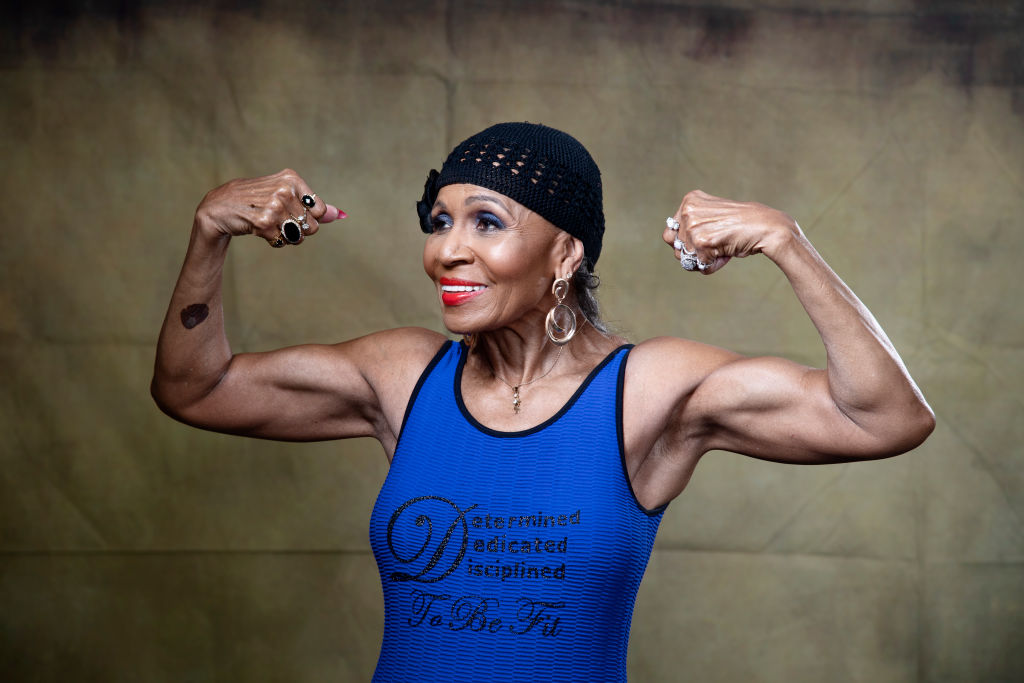
4. Midlife women will become fitness’s most important customers
For years, much of fitness marketing has focused on younger women. But she believes the growing demand from women navigating perimenopause and menopause will force brands to rethink how they design workouts.
“We’re already seeing the shift in our own data: our fastest-growing age group is women in their late 40s and 50s,” she says.
She also believes the conversation around maintaining muscle during midlife needs to become more nuanced, particularly as more women use weight-loss medications.
Rather than simply telling women to do more cardio or lift heavier weights, Gagna predicts that future programmes will take a broader approach, considering strength, mobility, recovery and the changes women experience during menopause.
“Menopause isn’t something to push through,” she says. “In 2027, the industry will finally start training women for it properly.”
5. Lymphatic health will move into the mainstream
Lymphatic health could become the next big wellness conversation, according to Gagna, alongside familiar topics such as gut health, sleep and daily movement.
She predicts that women will become increasingly interested in how everyday movement supports the lymphatic system and will move away from the idea that fitness has to mean one big workout.
Instead, “little and often” could become the new mantra.
That might mean breaking up long periods of sitting at a desk, moving during a long flight or adding gentle movement to evenings spent on the sofa.
Gagna believes this shift will also reinforce the importance of maintaining muscle as we age, particularly for women who are less active or losing weight.
“We didn’t follow this trend,” she says. “We were built around it from the start, and in 2027 the rest of the industry will catch up.”
6. Cycle-aware training will become the norm
Another major shift could be the move towards fitness programmes that take the menstrual cycle into account.
Gagna predicts that by 2027, cycle-aware training will become a standard feature rather than something women have to specifically seek out.
She says Traininpink’s community data shows different patterns in demand across the menstrual cycle, with slower movement proving popular around menstruation and greater demand for more challenging strength sessions during other phases.
The idea reflects a wider movement towards recognising that women’s bodies and energy levels can fluctuate throughout the month.
“Expect every serious platform to build cycle awareness in as standard in 2027,” says Gagna.
For women, she believes, the future of fitness won’t simply be about working harder. It will be about understanding your body and choosing the right type of movement for you.
Carlotta Gagna is the founder of Traininpink and creator of The Original Lymphatic Drainage Pilates (Pilates Linfodrenante®)