

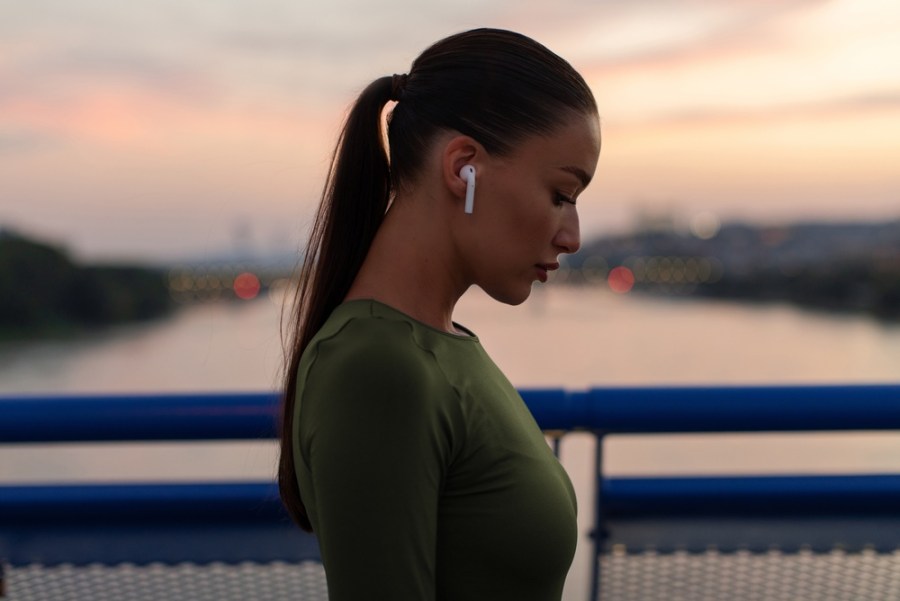
Over the past decade, the headphone market has been hugely oversaturated with wireless options. Whether you prefer earbuds, bone-conducting options or classic on-ear headphones, the rise of wireless saw millions swapping tangled wires for Bluetooth connectivity. However, new research shows wired headphones might be making a comeback – particularly among celebrities. But is this down to better sound quality and fashion nostalgia or fears around long-term radiation risks?
Dangling headphone wires used to be a common sight in every gym, workplace and train. But when the first wireless earbuds emerged in the mid-2010s, everyone seemed to quickly cut ties with their tangled old earphones and embrace this new cordless era. Wireless earbuds and headphones quickly dominated the audio wearables market, with wired options trailing so far behind that a comeback felt unlikely.
And yet, in January of this year CNN reported that a growing list of celebrities – including Zendaya, Harry Styles and Drake – had all been spotted wearing wired headphones. Even top NBA players have been snapped wearing them during their pre-game warm ups. Simultaneously, wired headphone sales increased by 20% in the first six weeks of 2026 – after five straight years of solid decline.
The wired headphone comeback
Many believe the wired headphone resurgence is heavily tied to the rise of analog living and digital fatigue, with more shoppers looking for ways to rely less on constant connectivity. Another influence might be the resurgence of Y2K fashion and nostalgia. This is particularly true among Gen Z, whereby the addition of trailing cords has become both a fashion accessory and a visual ‘do-not-disturb’ message to outsiders.
Others argue the comeback is down to cost, with music-lovers claiming wired headphones provide better sound quality for less when compared to more expensive wireless options. Plus, with no charging or pairing required, perhaps it simply comes down to pure practicality and convenience.
But with new conversations emerging about the potential long-term risks associated with radiation, many are wondering if the reasons behind the cord comeback run deeper than nostalgia or sound quality.
Do wireless headphones emit dangerous radiation?
Unlike wired headphones, which use physical copper or metal wires to conduct electrical audio signals directly, wireless headphones rely on short-range Bluetooth technology. This emits a type of radiation known as radiofrequency radiation. While major health authorities state everyday levels are safe, it seems the debate among experts is ongoing.
Much of the conversation centres around the fact that the safety guidelines for wireless radiation were last updated in 1996 – but the first earbuds did not exist until 2015. And it was around this time that over 250 scientists reportedly signed a formal petition to the UN and WHO, raising their concerns around the radiation risks associated with new wireless devices.
This call for further research likely stems from the International Agency for Research on Cancer’s 2011 classification of radiofrequency radiation as possibly carcinogenic to humans. However, in 2019 Cancer Research UK stated there wasn’t enough evidence that Bluetooth headphones (or mobile phones, for that matter) could cause harm and that studies involving large groups of people found no connection to an increased cancer risk.

Wired vs wireless headphones: what’s better for workouts?
Conversations around wired versus wireless headphones often fail to include one crucial point: convenience for exercise. Many fitness fans eagerly switched to in-ear wireless buds when they first emerged in the 2010s, with millions praising the cordless design as a sleeker, safer and far less restrictive option for workouts.
Wireless bone-conducting headphones are another popular choice – particularly for road runners, who want to enjoy music while staying tuned in to what’s going on around them.
However, wired headphones also have their pros for gym-goers: for example, no need for charging means zero risk of a mid-workout battery crash. What’s more, the lower costs associated with wired headphones might offer greater peace of mind during workouts. After all, no one wants their pricey Bluetooth buds to get lost behind gym equipment or damaged by excess sweat.
The wired versus wired headphone debate is definitely one to watch – in both the fitness world, and as part of wider conversations around celeb fashion trends, digital fatigue and potential long-term health impacts.
However, while cordless connectivity definitely dominated the market over the past decade, it’s safe to say the 2026 resurgence of wired earphones has definitely levelled the playing field.