
WHOOP does more than track your training. It measures how you’re responding to exercise, sleep and stress, so you can move in harmony with your body’s signals
This is a paid promotion
Ever smashed a workout one week only to find it unreasonably punishing the next? That’s because your performance in the gym is shaped by more than the training you’ve done and the mental prowess you’ve built. Poor sleep, hormonal fluctuations and even the amount of stress you’ve been under can add to the demands placed on your body, impacting your energy levels and how exercise feels.
Wouldn’t it be nice to spot the invisible load before hitting the gym floor – or, even better, to measure it and make the right choices about how to approach your next workout? Well, now you can – and it’s thanks to WHOOP’s continuous monitoring technology.
Rather than simply clocking that you trained for 60 minutes, WHOOP helps answer: How demanding was that workout for my body? How well have I recovered? Did I get the sleep I needed? And it does this by monitoring your physiology 24/7 to learn your personal baseline, then turning that information into insights and coaching that help you make better decisions about your training and recovery.
The net result is a simple loop that could help to elevate your gains: measure, understand, act, learn.

The data you need to know
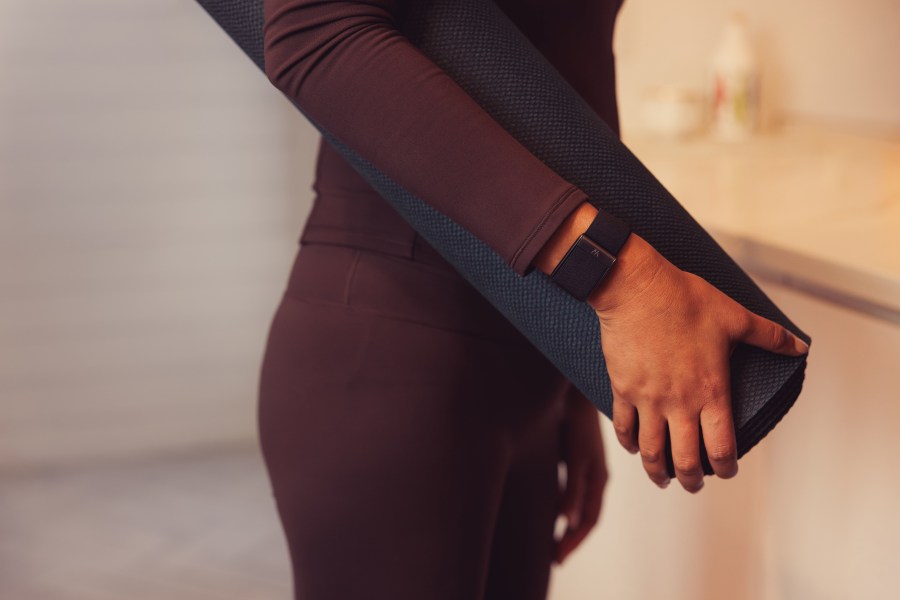
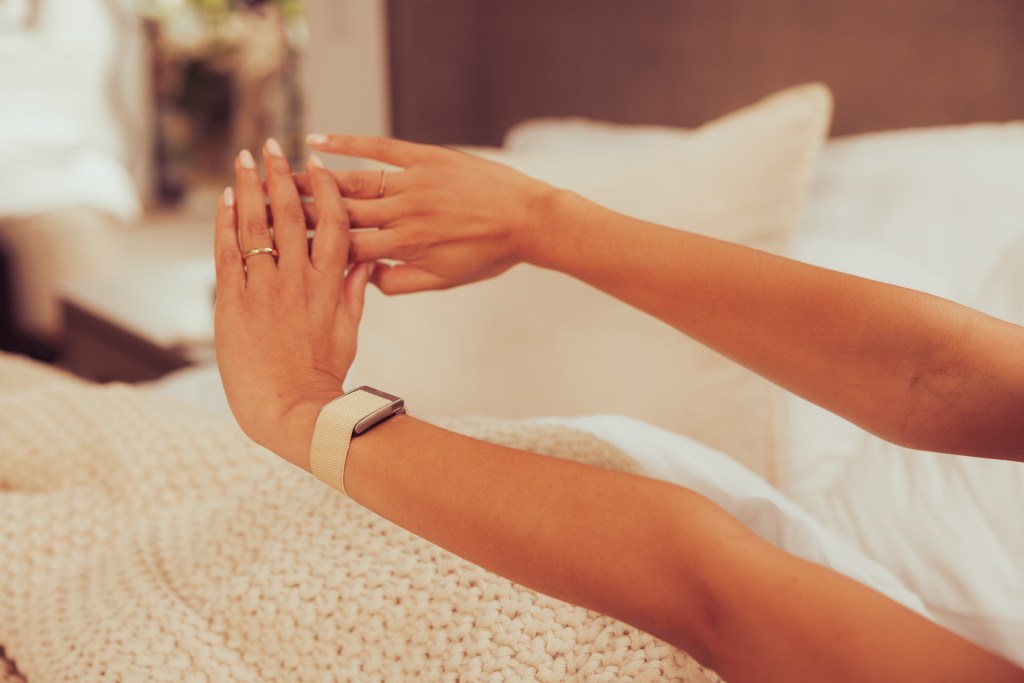
It all starts with learning what your body is trying to tell you – day and night. But you’re wrong if you think that means constant alerts and distractions. WHOOP boasts a screen-free design without notifications, so it’s monitoring everything you want to know quietly in the background.
It also comes with more than 14 days of battery life on WHOOP 5.0 and MG. It’s water-resistant, can be worn with different accessory bands and, with the Wireless PowerPack, can be charged while you’re still wearing it. Less time spent thinking about your wearable and more time learning from your body!
Take stress off the table
Perhaps you want to know how your body is responding to stress, as we all cope with it differently. WHOOP’s Strain metric goes beyond measuring the cardiovascular and muscular load placed on your body during exercise to track the stress your body is under during an intense meeting or while juggling work with entertaining the kids.
Maybe you want to know whether you got the sleep you needed to really attack the day because, let’s face it, the number of hours clocked during shut-eye don’t always equate to feeling well rested in the morning. WHOOP’s Sleep metric detects and analyses your slumber, going beyond comparing what you got and what you need to including consistency, efficiency and physiological stress during sleep. So, now you know whether you really are feeling up for that gruelling workout!
And of course, you don’t have to go hunting through graphs and gadgets to get this insight. Every morning, WHOOP provides a Recovery score that is personalised to your unique data, including heart-rate variability (HRV), resting heart rate, sleep and even respiratory information. It then uses these numbers to measure what is normal for you and how that’s changing over time.
Tracking beyond the workout
It might be that this insight is enough for you, and if that’s the case, the membership you need is called WHOOP One – focused on core fitness, sleep and recovery. But if you do want to take it to the next level, let us introduce you to WHOOP Peak, which brings together fitness, recovery and everyday health with longevity insights. Alongside the Strain, Sleep and Recovery metrics, Peak introduces Healthspan, Stress Monitor and Health Monitor, helping you to measure how the way you’re living today could be influencing how you age.
The wellness Healthspan feature provides a WHOOP Age, a physiological and biological age metric estimated using six months of biometric data, alongside Pace of Ageing, which looks at how recent behaviours may be influencing that trajectory. The factors considered include sleep, activity, strength training, steps, VO₂ Max and resting heart rate. The key here isn’t to give you an arbitrary age value but to help you understand which behaviours might be influencing how you’ll feel when you’re older – and identify areas you can work on.
Health insights that works for you
The same principle applies to stress. Training isn’t the only thing that places a demand on your body. Work, travel, poor sleep and other everyday pressures can all contribute to physiological stress. WHOOP’s Stress Monitor is designed to help you see those patterns across the day, giving you a broader picture of what your body is experiencing rather than treating exercise as the only thing that matters.
Health Monitor adds another layer by bringing important health metrics together and helping you understand your personal baseline, including when measurements move away from what is normal for you.
And if you want to go even deeper into your health data, there’s the WHOOP Life membership for the most advanced heart health insights. As well as all of the Peak features, Life comes with WHOOP MG hardware that adds on additional data-driven information via ECG, Irregular Heart Rhythm Notifications and Blood Pressure Insights.
Together, they provide you with a data-driven insight that goes beyond the results you get in the gym to those that you acquire from everyday living.
Move in harmony with your hormones
Hormones aren’t being overlooked here. All WHOOP memberships (One, Peak, Life) provide Women’s Hormonal Insights. And what’s more, WHOOP members can get a complimentary year’s subscription to Natural Cycles, which uses WHOOP temperature data to provide cycle insights through the fertility journey, including preventing pregnancy, planning pregnancy, pregnancy and postpartum, as well as a dedicated perimenopause experience.
By wearing WHOOP overnight, your temperature compatible data can be used by the Natural Cycles app to provide a daily fertility status, without needing to take a manual temperature measurement each morning. This makes the WHOOP/Natural Cycles partnership particularly relevant for women who want to combine their fitness, sleep and recovery insights with a broader understanding of their reproductive health.
This matters because it’s one thing to collect data, it’s another to understand it and learn what you should do next.