
Sean Murphy, Ultimate Performance personal trainer, shines a light on how to train during midlife, and the benefits of HIIT for menopausal women…
There’s a lot of confusion about whether women should avoid high-intensity training during menopause, but it’s not as simple as saying yes or no. What matters is how often it’s done, how well recovery is managed and how it fits within a structured plan.
Hormonal changes through perimenopause and menopause can affect recovery, sleep and energy levels. That doesn’t mean high-intensity work should be avoided, rather, it just needs to be programmed intelligently. When managed well, HIIT supports cardiovascular health, helps maintain muscle and improves metabolic control. Cortisol will always rise during harder sessions, but that’s a normal part of how the body responds to exercise. With good recovery and consistency, training helps regulate it across the day.
Strength training should sit at the centre of any programme at this stage of life. That is why Ultimate Performance has launched its ‘Stronger, for Life’ campaign – to encourage women who are either perimenopausal or approaching the perimenopausal period of their lives, to lift weights. Strength training is what drives meaningful change in strength, muscle, bone and long-term health. High-intensity and aerobic work have their place around that foundation, but they shouldn’t replace it. The goal isn’t to eliminate intensity, it’s to use it with purpose.
HIIT for menopausal women
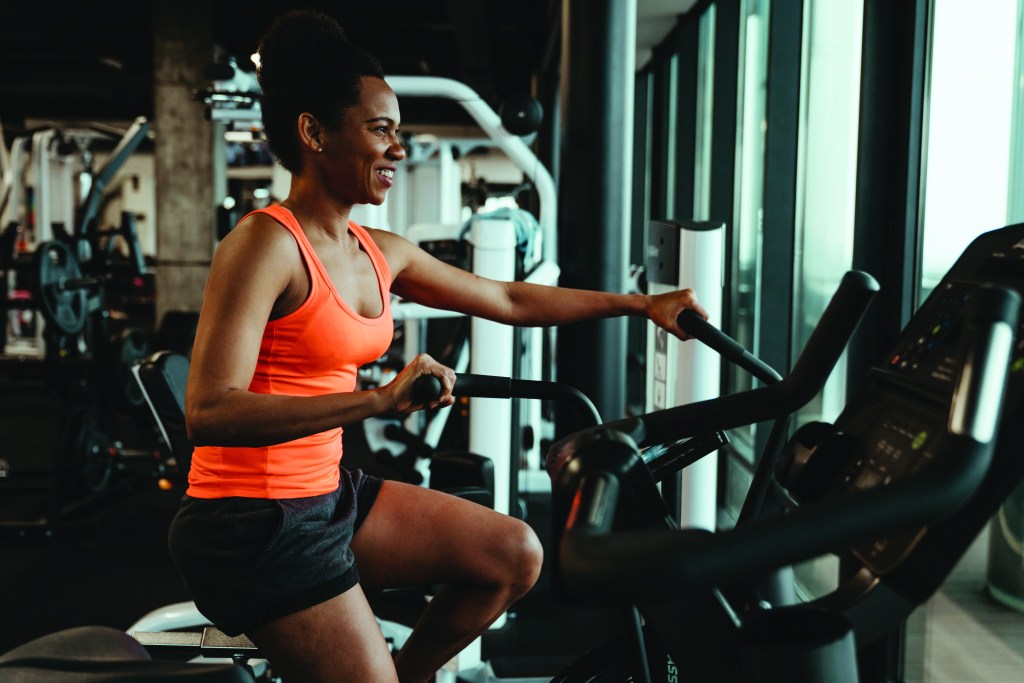
High-intensity training can be very effective during menopause, but it has to be used in the right way. Most women will get what they need from one HIIT session a week. Some can manage two, but only when sleep, stress and day-to-day energy feel steady. The goal isn’t to push yourself as hard as possible. It’s to apply intensity in a controlled way that supports the rest of your training.
Keep HIIT short – 10-15 minutes is more than enough. A simple approach works well. For example, 30 seconds hard and 60-90 seconds easy, or 45 seconds hard and two minutes easy. Aim for eight-to-10 rounds. The hard efforts should feel like an RPE of eight or nine [out of 10]. You’re breathing heavily and can only speak in short phrases. The easier parts should feel comfortable again.
Choose low-impact machines such as the assault bike, bike, rower, SkiErg or incline walking on a treadmill. You’ll be able to work hard without putting unnecessary stress on your joints.
If you’re tired or haven’t slept well, keep the routine but make it easier. A walk or something steady will keep you moving without forcing an intensity your body isn’t ready for.
How to manage your recovery

How well you recover will shape the efficiency of your training. Menopause can make sleep and energy a bit harder to manage, so taking recovery seriously helps you feel better session-to-session. A few simple habits go a long way.
Try not to do HIIT completely fasted. It usually makes the session feel tougher than it needs to be. A light snack – Greek yoghurt, a small protein shake, a boiled egg or fruit with something simple alongside it works well. Over the day, aim for around 2g of protein per kilogram of bodyweight, or just have a palm-sized portion of protein at each meal.
Sleep is one of the biggest factors in how well you recover. Aim for seven -to-nine hours when you can, but the most important thing is a consistent bedtime and wake time. Your body handles training better when your sleep rhythm is steady. Also, try to keep your HIIT session earlier in the day so it doesn’t interfere with winding down.
On other days, recovery activities such as Pilates, yoga, long walks or gentle cycling help regulate stress and will also make your harder sessions feel smoother.
If training suddenly feels heavier, your mood shifts or your sleep drops, adjust your next session; keep the habit, but lower the intensity. Listening to your body will keep the progress moving.
Menopause-friendly recipes to help you thrive
How to fit it into your plan
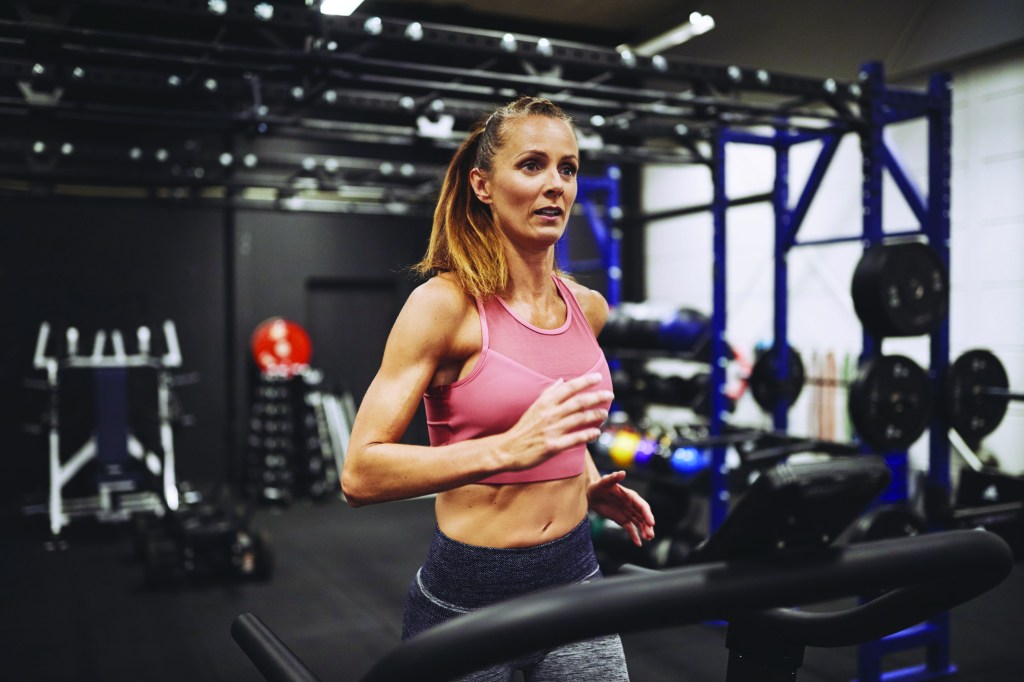
Start with the basics. For HIIT for menopausal women and those in midlife, a minimum of two full-body strength sessions a week, spaced roughly two-to-three days apart, makes the biggest difference. Strength training supports your muscles, bones, metabolism and long-term health, so it’s the thing to plan your week around.
Once that feels consistent, place one HIIT session on a day when you’re rested and have the energy for something harder. You don’t need to overthink the details. What matters is that your strength sessions come first, and the higher-intensity work fits around them without affecting your energy or your sleep.
Fill the rest of the week with steady, repeatable movement. Walking, mobility work and low-intensity cardio all support recovery and make your harder sessions more effective.
A good training week isn’t about fitting in as many sessions as possible. It’s about finding a rhythm you can keep up. Start with something you know you can stick to and build from there. Progress comes from stacking small wins. You need to feel good about the effort you’re putting in, not be hard on yourself when life gets busy. When you build on the days you show up, even in a small way, you move forward. Having someone in your corner, whether it’s a training partner, a friend or a personal trainer, makes that consistency easier. Begin, stay consistent, and let the momentum build. Action beats perfection every time. Do something now and you won’t regret it.